How to Arrange Furniture Around a Fireplace for Cozy and Functional Living Spaces
Arranging furniture around a fireplace revolves around creating a welcoming, comfortable seating area that highlights the fireplace as the room’s focal point. The main goal is balancing proximity so guests can enjoy the warmth and view without blocking pathways or overcrowding the space. Consider the size and shape of your room, the style of your fireplace, and how the room functions when placing sofas, chairs, and auxiliary tables.
A fireplace naturally draws attention and often serves as the centerpiece for homes, especially during colder months. Its warmth and visual appeal can anchor the entire living room, promoting intimate conversations and relaxation. Properly positioning furniture enhances these benefits, making the space both functional and inviting. How to arrange furniture around a fireplace.
This article will explore furniture arrangement strategies tailored for different fireplace types and room dimensions, discuss how to maintain good traffic flow, and offer design tips that complement architectural elements while maximizing comfort and usability.
Understanding Fireplace Types and Their Impact on Furniture Arrangement

Wood-burning Fireplaces: Traditional Placement Challenges
Wood-burning fireplaces typically have a hearth that extends into the room, which influences furniture placement to avoid obstruction and fire hazards. Seating should be arranged at a safe distance to prevent accidents, while still allowing occupants to enjoy the fire’s warmth and glow.
Since these fireplaces require approaches for kindling, consider leaving extra space around the hearth and avoid placing furniture directly in front. Orient chairs and sofas in a semi-circle or L-shape around the fireplace for a practical yet cozy setup.
- Leave at least 36 inches from the hearth for safety
- Avoid flammable materials near the fireplace opening
- Use non-flammable rugs or floor coverings around the hearth
Gas and Electric Fireplaces: Flexible Layout Options
Gas and electric fireplaces often have a slimmer profile and less heat radiation beyond their immediate area. This allows for more versatile furniture arrangements, including closer placement of seating and the introduction of occasional tables or benches nearby without obstructing airflow or safeties.
Their cleaner design integrates easily into modern or minimalist interiors, letting homeowners experiment with arrangement such as placing a couch parallel to the fireplace or integrating multiple seating zones around the room.
- Maintain at least 24 inches distance from the fireplace for safety
- Consider built-in units that blend with cabinetry for space-saving
- Add accent chairs angled towards the fireplace for balanced conversation
Balancing Space and Traffic Flow in Furniture Layouts

Clear Pathways Enhance Room Functionality
When arranging furniture around any fireplace, walkways must remain unobstructed to promote ease of movement. Leaving about 30 to 36 inches for primary traffic paths preserves functionality and safety. Avoid clustering large pieces in narrow routes and consider how doors and other focal points interact with the layout.
Planning the seating zones while keeping circulation open prevents a cramped feeling and supports natural conversations. Traffic flow also supports accessibility to other room areas like windows, shelving, or entertainment centers.
- Maintain consistent walkways around furniture
- Use rugs to define seating while respecting traffic patterns
- Angle furniture to open paths rather than block them
Proportions and Scale for Harmonious Arrangements
Furniture size should complement the room’s dimensions and fireplace scale. Oversized couches may overpower a petite fireplace, while too small seating can feel disconnected. Choose pieces that allow seating at comfortable distances—about 8 to 12 feet from the fireplace for views and warmth.
Consider pairing a sofa with one or two smaller chairs to introduce a layered, inviting look. Proper scale ensures both comfort and visual harmony, allowing the fireplace to remain the centerpiece without overwhelming or being overshadowed.
- Use a combination of seating types for balance
- Avoid bulky furniture that blocks sightlines to the fireplace
- Maintain at least 18 inches between coffee tables and seating
Furniture Arrangement Styles That Highlight Your Fireplace
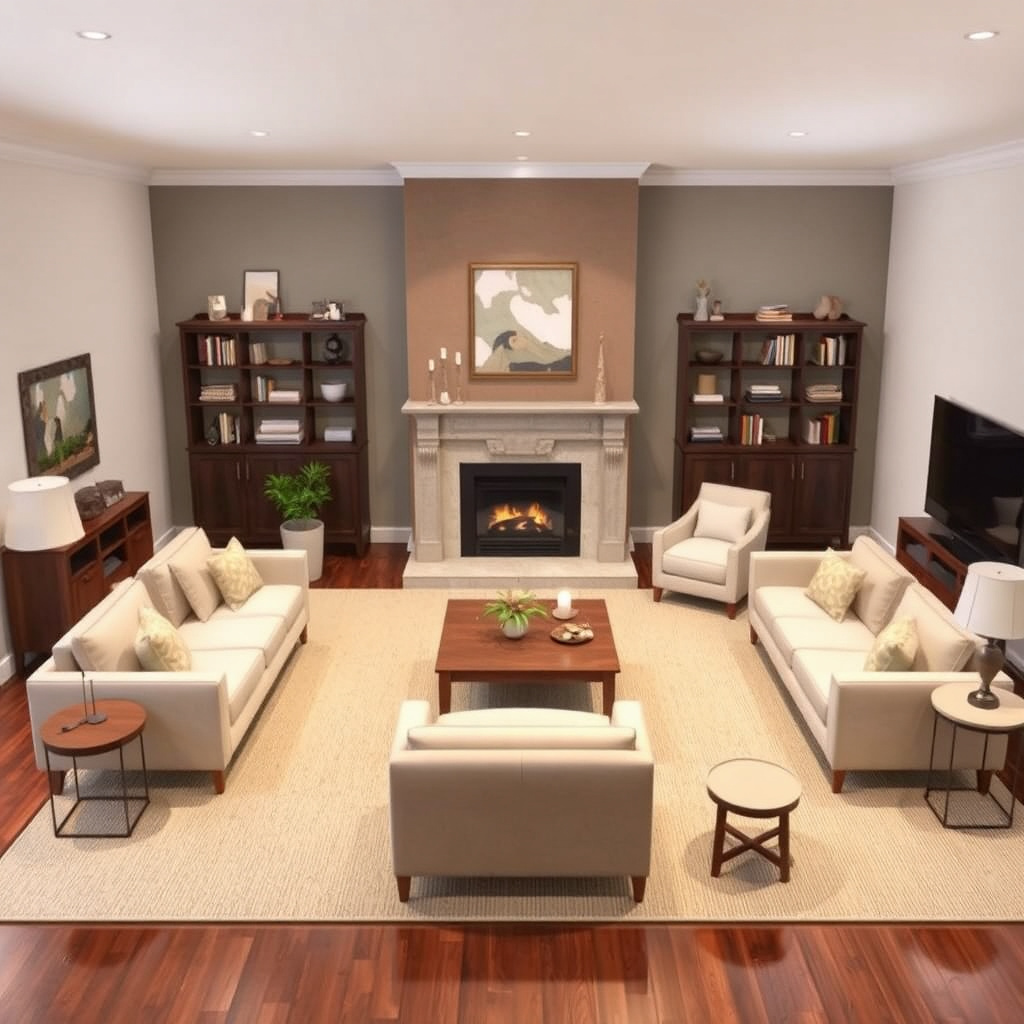
Symmetrical Layouts for Formal Living Rooms
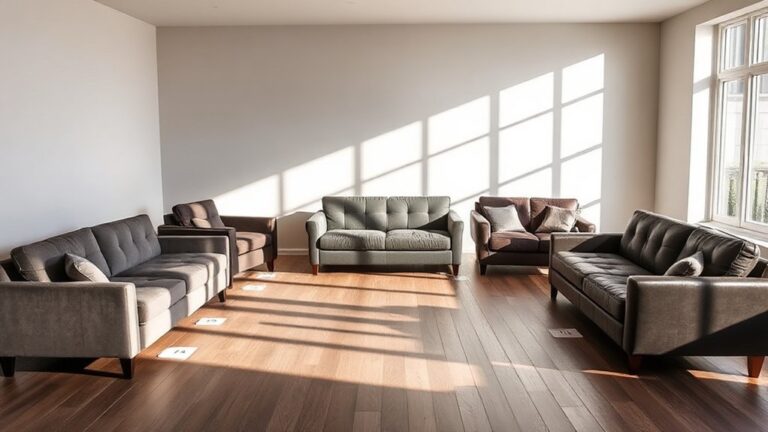
Symmetrical arrangements place matching sofas or chairs opposite each other flanking the fireplace, creating a balanced, formal ambiance. This classic style emphasizes the fireplace as the central axis and encourages face-to-face interaction among occupants.
Add matching side tables and lamps to enhance the symmetry. This setup works especially well in spacious rooms with traditional decor, lending a sense of order and elegance.
- Place identical sofas or chairs opposite the fireplace
- Use matching accessories on both sides
- Create a centered coffee table anchor
For more on this, see our related guide: 7 Tips How to Choose Living Room Furniture.
Asymmetrical and Circular Groupings for Casual Spaces
Asymmetrical arrangements allow for more relaxed, eclectic layouts combining different sized furniture pieces angled towards the fireplace. Circular or semi-circular layouts encourage conversation and flexibility, ideal for family rooms or informal entertaining.
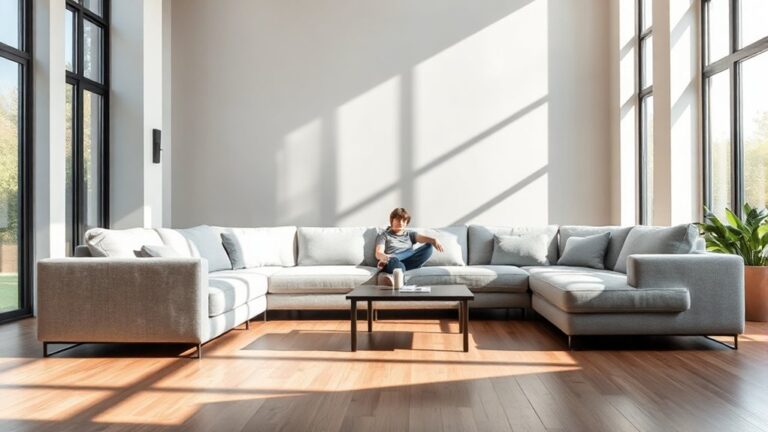
This approach lets you incorporate varied furniture types — a sectional sofa paired with an armchair and ottomans — positioned to maximize fireplace visibility without rigid balance.
- Mix different seating styles but keep sightlines focused
- Use area rugs to unify circular groupings
- Balance heavier items with lighter chairs or stools
Choosing Centerpieces and Accessories Near the Fireplace

Selecting Coffee and Side Tables That Complement Seating
Coffee tables near the fireplace should fit comfortably within seating areas without encroaching on footpaths. Round or oval shapes often work better than sharp corners, reducing the risk of bumping into furniture in tighter layouts.
Side tables provide convenient places for drinks or reading materials. Place them strategically next to chairs or the ends of sofas while maintaining adequate clearance for comfort.
- Choose table heights that match adjacent seating
- Ensure at least 18 inches between tables and seats
- Consider storage options for practicality
Mantel Decorations to Enhance Fireplace Appeal
The mantel offers a perfect platform for decorative elements like framed artwork, mirrors, candles, or clocks that complement the room’s style. Personal touches such as photos or seasonal decor can soften the fireplace’s architectural features.
Avoid cluttering the mantel to keep the fireplace as the room’s visual anchor. Utilize symmetry or purposeful asymmetry depending on the overall furniture layout for cohesive styling.
- Limit the number of items to three to five key pieces
- Use a statement piece like a large mirror or painting
- Incorporate natural elements such as plants or seasonal items
Lighting Strategies to Complement Furniture Arrangement Around the Fireplace
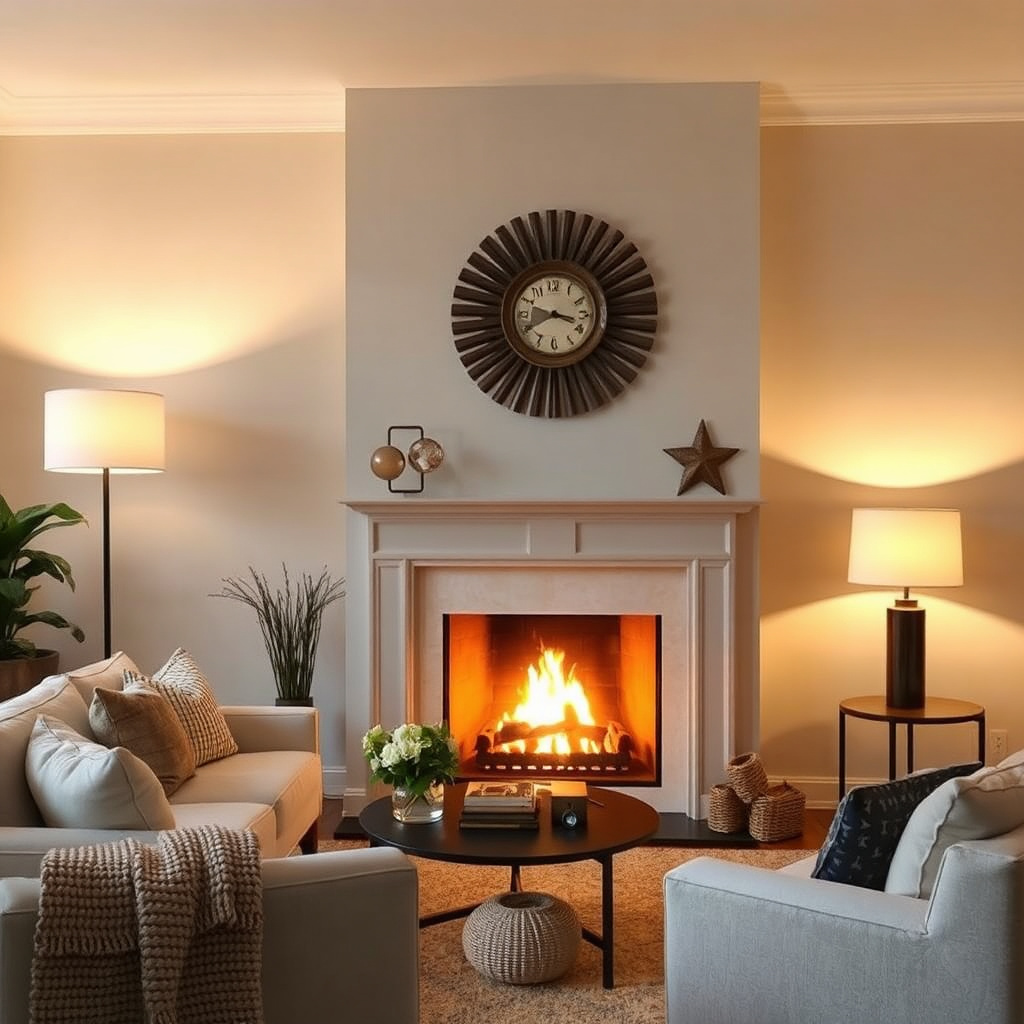
Ambient and Task Lighting Placement
Balanced ambient lighting ensures the fireplace and seating area remain comfortable during evening hours. Consider overhead light fixtures complemented by floor or table lamps positioned near reading chairs or sofas for functional illumination.
Lighting should enhance, not compete with the fireplace’s natural glow. Adjustable lamps and dimmable fixtures allow flexibility for mood and tasks.
- Position floor lamps behind seating to avoid glare
- Install dimmers to adjust light intensity
- Use warm color temperature bulbs to match fireplace warmth
For more on this, see our related guide: 10 Tips to Choose Furniture for Your Living Room.
Accent Lighting to Highlight Architectural Features
Wall sconces flanking the fireplace or recessed lighting above can accentuate textures, stonework, or mantel items. Accent lighting adds depth and dimension, enriching the room’s atmosphere without overpowering seating arrangements.
Subtle uplighting or spotlighting directs focus toward the fireplace while maintaining a cozy environment for socializing or relaxing.
- Use adjustable sconces to control focus
- Incorporate low-profile LED strips for subtle highlights
- Avoid harsh, direct lighting that causes shadows
Incorporating the Secondary Keyword: Living Room Furniture Layout Tips
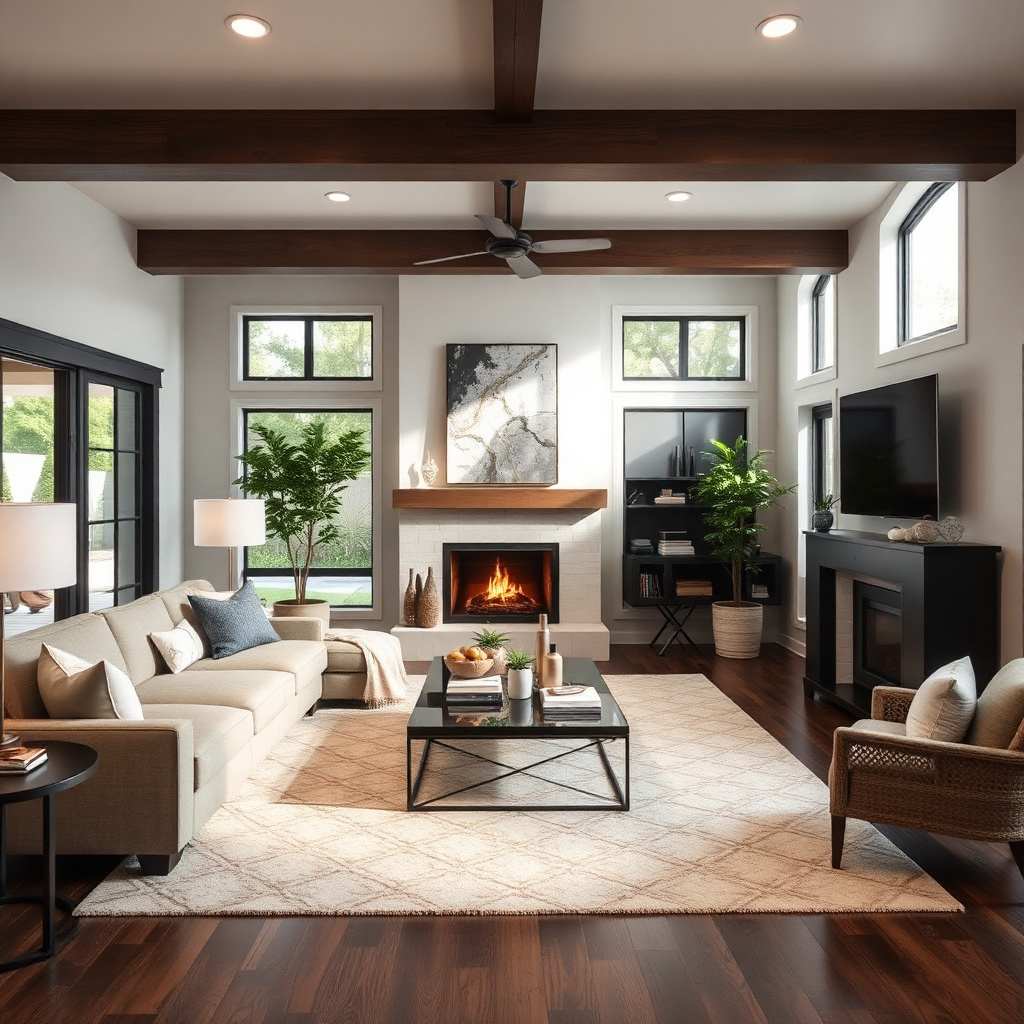
Creating Zones Within the Living Room
Effective living room furniture layout goes beyond fireplaces. Delineating multiple zones—for conversation, reading, or media—offers versatile use of the space and accommodates different activities simultaneously.
Arrange seating clusters apart, using area rugs or furniture backs to define boundaries. This enriches the room’s function while still keeping the fireplace an inviting centerpiece.
- Separate seating groups with rugs or shelves
- Place media centers opposite or adjacent to fireplace
- Use modular furniture for adaptable arrangements
For more detailed information on fireplace types and safety, you can refer to detailed fireplace furniture arrangement guidelines. fireplace furniture arrangement guidelines.
Choosing Multipurpose Furniture for Smaller Rooms
In compact living rooms, selecting furniture that serves multiple functions—like storage ottomans or sectional sofas with chaise lounges—maximizes usage while maintaining clear sightlines to the fireplace.
Flexible pieces can move as needed to accommodate social gatherings or relaxed family time, supporting a dynamic living room furniture layout.
- Opt for furniture with hidden storage
- Use lightweight chairs for easy repositioning
- Choose pieces with narrow profiles to save space
Furniture Arrangement Styles Around Fireplaces: A Quick Comparison
This table compares common furniture arrangement styles around fireplaces, focusing on room type, comfort, and style impact.
| Arrangement Style | Best Room Types | Comfort Level | Visual Impact | Traffic Flow Ease |
|---|---|---|---|---|
| Symmetrical | Formal living rooms, traditional | High, promotes conversation | Balanced and orderly | Moderate, requires space |
| Asymmetrical | Casual spaces, eclectic designs | Flexible and cozy | Dynamic and inviting | Good, flexible paths |
| Circular | Family rooms, informal | Very social and inclusive | Warm and engaging | Good, centralized |
| L-Shaped | Medium rooms, contemporary | Optimized seating | Modern and functional | Excellent, clear walkways |
| Parallel | Narrow rooms, minimalist | Efficient but less intimate | Simple and clean | Best for narrow flow |
Frequently Asked Questions
How close should furniture be to the fireplace?
Furniture should generally be placed at least 3 feet from wood-burning fireplaces for safety, while gas or electric units allow closer seating, typically around 2 feet, without blocking views or heat distribution.
What is the best way to arrange sofas and chairs near a fireplace?
Arrange sofas and chairs in a way that faces or angles toward the fireplace, forming a conversation-friendly grouping while ensuring clear walkways and balanced proportions based on room size.
Can I place a coffee table near the fireplace?
Yes, but choose coffee tables that fit comfortably within seating areas without obstructing traffic or sightlines; rounded shapes often work best to prevent bumping hazards.
Should the fireplace always be the focal point of the room?
While fireplaces are natural focal points, consider room function and other design elements; in some cases, media centers or windows may share focus, allowing flexible furniture layouts.
How does lighting affect furniture arrangement around a fireplace?
Layered lighting enhances ambiance and usability; positioning lamps to complement seating without competing with the fireplace’s glow creates a comfortable environment for both relaxation and tasks.
Key Takeaways
- Arrange seating to face or angle toward the fireplace to maximize warmth and view.
- Maintain clear traffic flow by leaving at least 30 inches of space for walkways around furniture.
- Choose furniture scale appropriate to room size and fireplace prominence for balanced aesthetics.
- Use layered lighting and tasteful accessories to enhance the fireplace’s visual appeal.
Conclusion
Deciding how to arrange furniture around a fireplace involves balancing safety, functionality, and aesthetics. Start by recognizing the fireplace type and room size to establish safe distances and comfortable sightlines. Consider traffic flow to prevent a cramped atmosphere and choose furniture styles and proportions that complement the fireplace’s architectural details. Arrangements should encourage social interaction while preserving comfort and ease of movement.
If your fireplace is traditional wood-burning with an extended hearth, opt for symmetrical or L-shaped seating placed safely away from the fire. For gas or electric fireplaces with a sleeker design, asymmetrical or circular layouts provide informal yet inviting options. In confined spaces, versatile living room furniture layouts that incorporate multipurpose seating and carefully chosen tables can maximize functionality while keeping the fireplace as the room’s emotional center.
Begin by measuring your room and fireplace dimensions, then sketch several layout options focusing on comfort and path clearance. Adding layered lighting and tasteful mantel decor rounds out the setting, making your fireplace a year-round centerpiece. By thoughtfully applying these guidelines, your living room will become a welcoming, stylish gathering place centered on the fireplace.