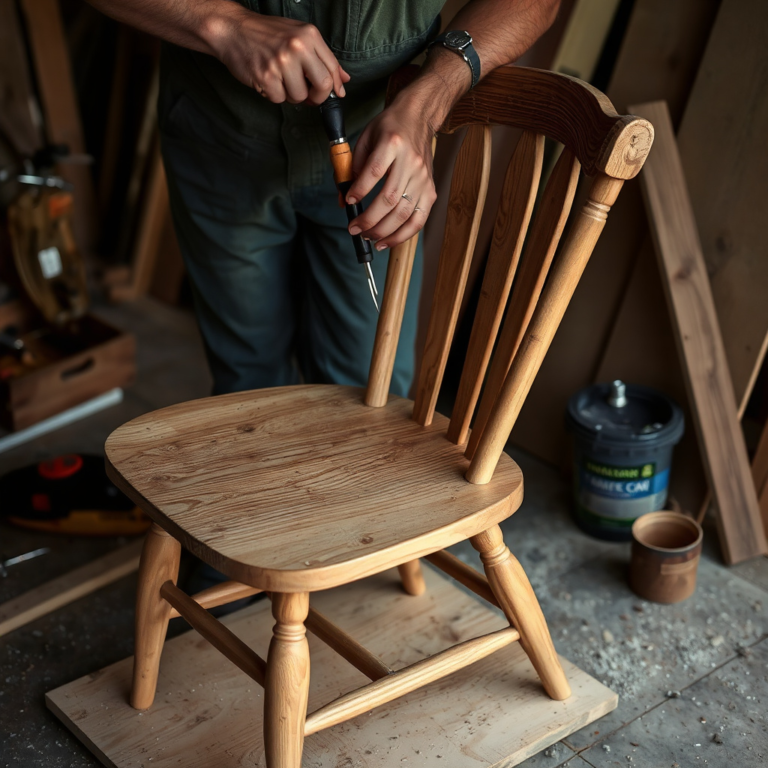
How to Restore Cast Aluminum Patio Furniture for Lasting Beauty
Restore cast aluminum patio furniture begins with cleaning off dirt and rust, followed by sanding to smooth surfaces, treating rust spots with primer, and finally repainting with suitable outdoor paint. This process makes your aluminum furniture look fresh and protects it from further damage.
Outdoor aluminum furniture can lose its charm due to weather exposure causing oxidation, fading, or rusting on hardware parts. Given its durable nature, cast aluminum can be rejuvenated effectively with the right approach, saving the cost of replacement while preserving its character.
This guide will walk through each step of restoring your cast aluminum patio furniture, including cleaning methods, rust removal, surface preparation, choosing the best paint for aluminum furniture, and finishing tips to help your pieces look great season after season.
Understanding Cast Aluminum Patio Furniture

Properties of Cast Aluminum
Cast aluminum is favored for patio furniture because of its lightweight, rust-resistant qualities and ability to be molded into intricate designs. Its natural corrosion resistance comes from the aluminum oxide layer that forms on the surface, protecting it against many weather effects.
Despite its resistance, exposure to harsh elements can cause the finish to degrade, and hardware joints can accumulate rust. Recognizing these characteristics helps in applying the correct restoration techniques.
Common Damage Types and Causes
Typical damage includes oxidized dull surfaces, minor rust spots, peeling paint, and accumulated dirt or stains. Moist environments combined with scratches or broken coatings expose bare metal, allowing rust to form, especially on steel hardware attached to aluminum frames.
Understanding these causes aids in selecting proper cleaning materials and preventive restoration steps to extend your furniture’s life.
Cleaning and Preparing the Surface for Restoration

Removing Dirt and Debris
Start by hosing the furniture to remove loose dirt. Use a mild detergent mixed with water and a soft brush or sponge to scrub off grime, bird droppings, and pollen. Avoid harsh cleaners which can damage the existing finish.
Rinse thoroughly with water and let the furniture dry completely. Proper surface cleaning ensures paint and primers adhere well during further restoration.
- Use gentle detergent or soap
- Avoid abrasive pads
- Always rinse well
Eliminating Rust and Old Paint
Rust spots can be tackled by sanding with medium-grit sandpaper or using a wire brush to reach affected areas and remove loose corrosion. When old paint peels or cracks, scraping and sanding it down to the bare metal provides a clean slate for repainting.
Wear protective gloves and goggles during this process. After sanding, wipe the area with a damp cloth to remove dust, then allow it to dry before applying primer.
- Sand rusted spots firmly
- Remove flaking paint thoroughly
- Clean dust before priming
Selecting the Right Materials for Painting

Choosing a Primer for Aluminum Furniture
Using a primer designed specifically for metal or aluminum is vital. These primers promote paint adhesion and add an extra rust barrier. Look for rust-inhibiting primers labeled suitable for outdoor metal surfaces.
Applying a thin, even coat of primer allows your finishing paint to bond well, preventing peeling and enhancing durability under weather exposure.
- Rust-inhibiting formula
- Good coverage on metal
- Outdoor durability
Best Paint for Aluminum Furniture
High-quality enamel spray paint or outdoor acrylic paint that resists UV rays, moisture, and peeling is best for aluminum furniture. Spray paints offer an easy application with smooth, even coverage, while brushed acrylic paint allows more control on detailed areas.
Look for paints specifically formulated for metals and outdoor use. Multiple light coats yield better results than a single heavy coat.
- UV resistant paint
- Weatherproof finish
- Metal-specific formulation
Proper Painting Techniques and Finishing Touches

Applying Primer and Paint
After surface prep and priming, apply paint in multiple thin layers for uniform coverage. Keep spray paint cans 8-12 inches from the surface, moving steadily to avoid drips or uneven build-up.
Between coats, allow sufficient drying time as specified on the paint can. This technique builds a durable finish that clings tightly to the cast aluminum.
- Thin even coats
- Proper distance when spraying
- Dry between each layer
Sealing and Protecting the Finish
For extended protection, applying a clear sealer or topcoat designed for outdoor metals can shield the finish from scratches and fading. A satin or glossy sealer also enhances the furniture’s appearance.
Reapplying the sealer annually or based on wear helps maintain the furniture’s renewed look over multiple seasons.
- Clear outdoor topcoat
- Enhances durability
- Regular reapplication recommended
Maintenance Tips for Long-Lasting Results

Routine Cleaning and Inspections
Keep your restored furniture clean by washing with gentle soap and water monthly, avoiding abrasive cleaners that remove the protective coating. Check joints, screws, and paint for signs of wear or rust to treat promptly before damage spreads.
Regular upkeep minimizes extensive restoration needs and preserves appearance and structural integrity.
Using Protective Covers and Placement
Whenever not in use, cover your aluminum furniture with breathable patio covers to block rain, dirt, and UV exposure. Placing furniture in shaded or sheltered spots reduces sun and moisture damage, extending the life of paint and metal.
Proper storage during winter months or severe weather also prevents premature deterioration and saves restoration effort.
- Use breathable covers
- Store under shade when possible
- Avoid prolonged snow or rain exposure
Restoring Hardware and Accessories

Cleaning and Replacing Rusted Hardware
Often metal screws, bolts, or connecting parts deteriorate faster than cast aluminum frames. Remove rusty hardware parts and clean them with wire brushes or soak in rust remover. Replace heavily corroded pieces with stainless steel or brass replacements for greater durability.
Using anti-seize lubricant on new hardware prevents rust and eases future disassembly.
- Wire brush cleaning
- Use rust remover soak
- Install corrosion-resistant replacements
For a detailed understanding of cast aluminum furniture materials and manufacturing, check out the Wikipedia article on cast aluminum furniture. Cast aluminum furniture.
Maintaining Cushion and Fabric Components
If your furniture includes cushions or fabric covers, clean and inspect them to complement your refurbished frames. Wash removable covers regularly and replace faded or torn fabric to match the renewed appearance of your furniture.
Proper fabric care extends outdoor living comfort and completes the restoration look.
- Wash covers per instructions
- Replace faded cushions
- Store cushions indoors when not used
Cast Aluminum Patio Furniture Restoration Methods Compared
This table compares common restoration approaches to cast aluminum patio furniture, outlining ease, cost, durability, and finish quality.
| Method | Ease of Application | Cost | Durability | Finish Quality |
|---|---|---|---|---|
| Cleaning and repainting | Moderate | Low to moderate | High with proper materials | Smooth and even |
| Powder coating | Professional required | High | Very high | Glossy and durable |
| Replacing hardware only | Easy | Low | Moderate | No paint improvement |
| Using rust converters | Easy | Low | Moderate | May discolor surface |
| Complete replacement | N/A | Very high | Very high | Brand new condition |
Frequently Asked Questions
Can cast aluminum patio furniture rust?
Cast aluminum itself doesn’t rust since aluminum oxidizes to form a protective layer, but attached steel hardware or damage to coatings can cause rust spots.
What is the best paint for aluminum furniture?
Rust-inhibiting primers combined with high-quality outdoor enamel or acrylic spray paints designed specifically for metal provide the best adhesion and durability.
Is sanding required before painting cast aluminum furniture?
Yes, sanding removes old paint and oxidation, creating a smooth surface that allows primer and paint to bond effectively.
How often should I repaint my cast aluminum furniture outside?
Repainting every 3 to 5 years is typical depending on exposure and use, but cleaning and inspecting yearly helps maintain the finish longer.
Can I restore cast aluminum furniture by powder coating it myself?
Powder coating requires professional equipment for proper application and curing; DIY powder coating setups are rare and not recommended for hobbyists.
Key Takeaways
- Proper cleaning and sanding are essential steps in restoration.
- Use a rust-inhibiting primer and outdoor paint for best long-term results.
- Replacing rusted hardware improves durability and appearance.
- Regular maintenance and protective covers extend furniture life.
Conclusion
Deciding how to restore cast aluminum patio furniture revolves around assessing the condition of your pieces and preparing surfaces adequately. Prioritizing thorough cleaning, rust removal, and proper sanding enables primers and paints to adhere well, leading to durable, attractive finishes that protect outdoor investments from weather damage.
For most homeowners, using rust-inhibiting primers combined with high-quality outdoor spray enamel paint offers an accessible, cost-effective approach yielding excellent durability. In cases of severe deterioration, professional powder coating might be considered, but repainting remains a practical choice for many. Replacing corroded hardware with stainless steel fasteners further enhances longevity, while regular maintenance helps preserve your furniture’s refreshed look.
Begin your restoration by carefully cleaning and inspecting your furniture. Gather appropriate metal primers and paints known as the best paint for aluminum furniture for outdoor use. Follow the outlined painting and finishing techniques for a smooth, resilient surface. This project not only revives your patio aesthetics but also grants years of continued enjoyment without costly replacement.