How to Steam Clean Furniture for a Fresh, Vibrant Look
Steam cleaning furniture is an effective method to remove dirt, allergens, and odors without the use of harsh chemicals. The process uses high-temperature steam to penetrate upholstery, breaking down grime and sanitizing surfaces, making it a preferred option for keeping sofas, chairs, and other fabric-covered furniture fresh and clean. How to Steam Clean Furniture.
Using steam to clean furniture not only refreshes the appearance but also helps in reducing dust mites and bacteria, which is especially beneficial for those with allergies or respiratory concerns. Unlike traditional cleaning methods, steam cleaning is eco-friendly and minimizes moisture retention, preventing damage or mold growth.
This article will explore the step-by-step process of how to steam clean furniture, from selecting the right steam cleaner for upholstery to preparation, technique, and post-cleaning care. Additionally, it will cover safety tips and comparisons of different steam cleaning tools to help you achieve optimal results.
Choosing the Right Steam Cleaner for Upholstery

Types of Steam Cleaners Suitable for Furniture
Steam cleaners come in various forms such as handheld steamers, canister models, and multipurpose steam machines. Handheld steamers are lightweight and easy to maneuver for spot cleaning, while canister models offer larger water capacity and longer continuous steam output, ideal for bigger furniture pieces.
A multipurpose steam cleaner with attachments designed specifically for upholstery allows cleaning both flat surfaces and crevices. Choosing a model with adjustable steam settings can help protect delicate fabrics by allowing lower steam intensity when needed.
- Handheld steamers: Portable and good for small areas
- Canister steam cleaners: Powerful with larger water tanks
- Multipurpose steamers: Versatile with various nozzles
- Adjustable steam settings: Protects delicate materials
Key Features to Look For
When selecting a steam cleaner for upholstery, consider water tank size, heat-up time, and the variety of included attachments. A larger tank enables longer cleaning sessions without frequent refills, while a shorter heat-up time improves efficiency.
Attachments like fabric brushes, scrapers, and angled nozzles enhance the cleaning ability by loosening deep-seated dirt and reaching tight places. Safety features, such as automatic shut-off and temperature control, are essential to prevent accidents during furniture cleaning.
- Water tank capacity and refill convenience
- Quick heat-up for faster cleaning
- Specialized upholstery accessories
- Built-in safety mechanisms
Preparation Before Steam Cleaning Furniture
Vacuuming the Furniture Thoroughly
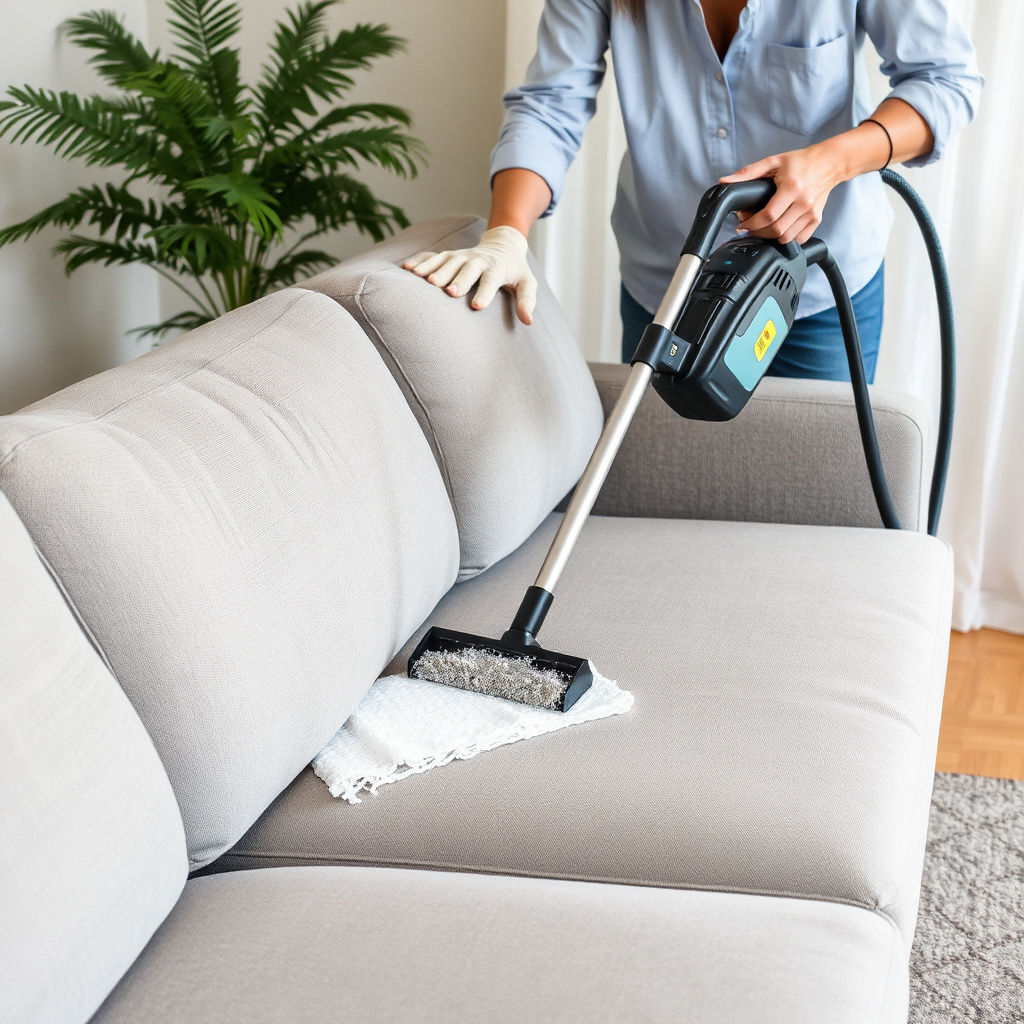
Before applying steam, it’s vital to vacuum furniture comprehensively to remove loose dirt, dust, hair, and debris. This initial step prevents particles from embedding deeper into the fabric during steaming and enhances steam penetration.
Use a vacuum cleaner with an upholstery attachment to access crevices and seams. Pay special attention to areas prone to accumulating dirt, such as corners, under cushions, and armrests.
- Use upholstery vacuum attachment
- Focus on seams and corners
- Remove cushions if possible for thorough cleaning
For more on this, see our related guide: How to Decorate With Accent Chairs: Three Essential Tips.
Checking Fabric Type and Spot Testing
Different furniture fabrics react differently to steam cleaning. Before starting, identify your upholstery material and confirm it can withstand steam without damage. Delicate fabrics such as velvet or silk may require special care or alternative cleaning methods.
Perform a spot test by applying steam to a hidden area and waiting 24 hours to check for discoloration, shrinkage, or texture changes. This precaution helps avoid irreversible damage and ensures safe cleaning.
- Identify upholstery fabric type
- Perform spot test in an inconspicuous area
- Avoid steam on water-sensitive materials
Step-by-Step Steam Cleaning Process
Operating the Steam Cleaner on Furniture
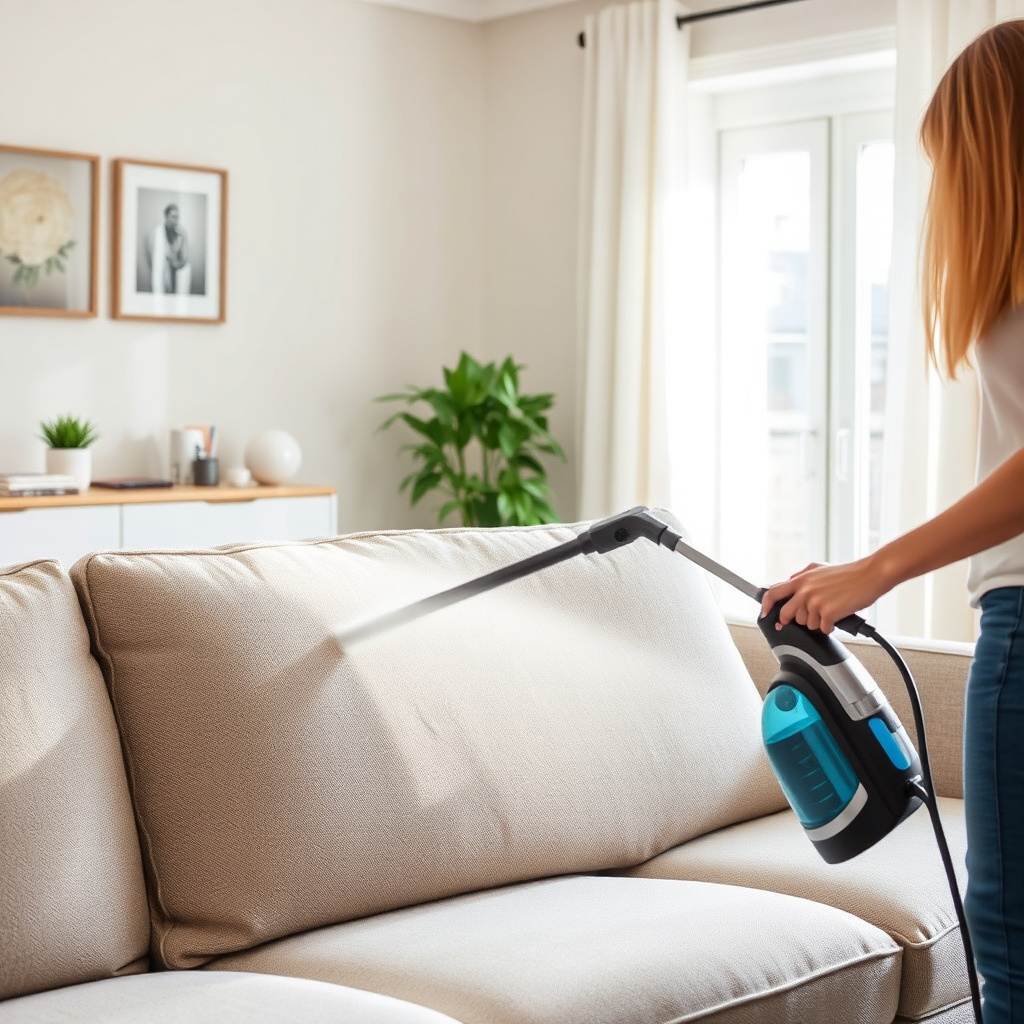
Fill the steam cleaner with clean water and allow it to heat up fully according to manufacturer instructions. Hold the steam nozzle a few inches from the fabric and work systematically across the surface, moving in slow, overlapping strokes to avoid saturating the material.
Avoid lingering too long on one spot to prevent moisture buildup. The steam loosens dirt and kills microbes, which can be wiped away with a clean microfiber cloth after steaming each section.
- Use steady, overlapping strokes
- Keep nozzle 2-4 inches from fabric
- Wipe residue with microfiber cloth promptly
Handling Stubborn Stains and Odors
For tough stains, pre-treat with a mild biodegradable fabric cleaner before steaming. After steaming, gently scrub with an upholstery brush or cloth to lift the stain. Repeated short steam applications help release odors trapped deep in cushions.
Ventilate the room during and after steam cleaning to speed drying and reduce damp smells. Avoid using steam cleaners on leather or untreated wood, as excessive moisture can cause permanent damage.
- Pre-treat stains for better results
- Use soft brushes to agitate fabric
- Ventilate area for quicker drying
Post-Cleaning Care and Maintenance
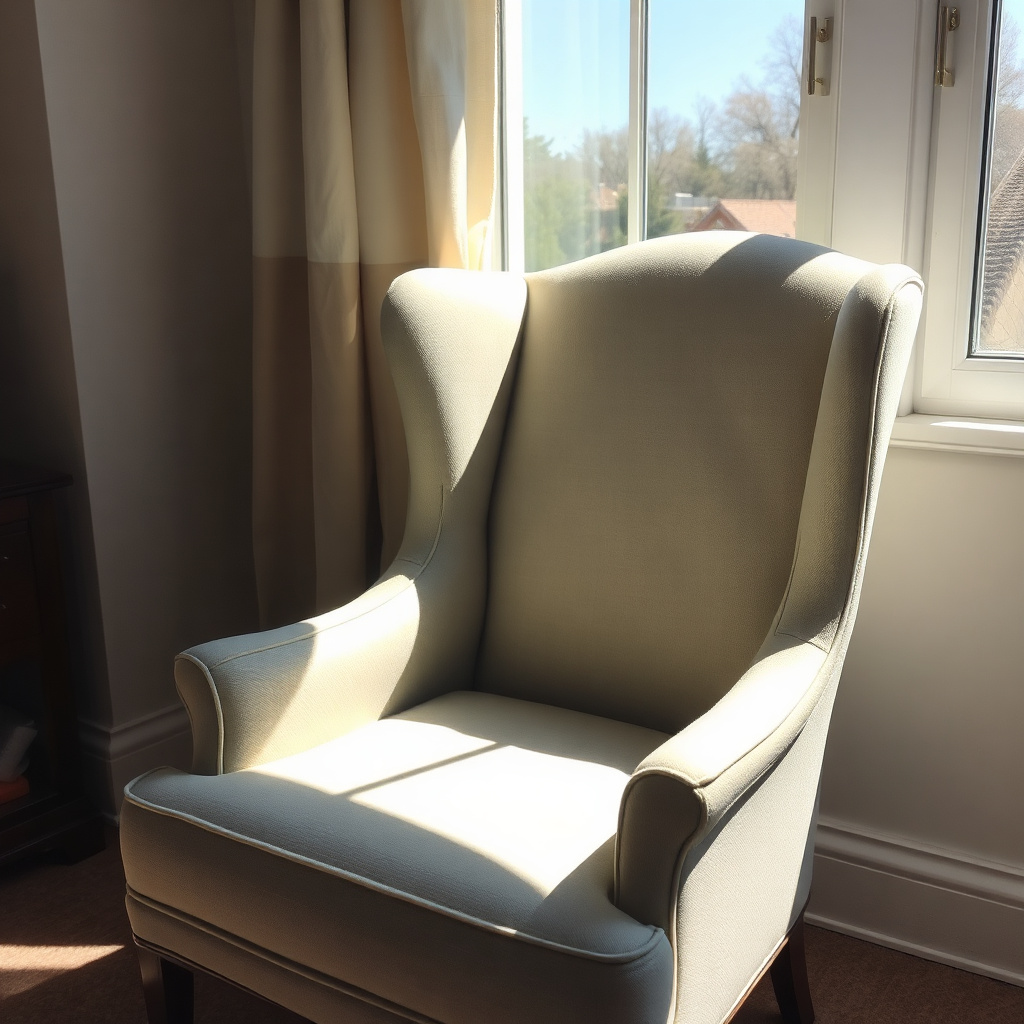
Drying Techniques to Preserve Furniture
After steam cleaning, furniture should dry thoroughly to prevent mold or mildew growth. Open windows and use fans or dehumidifiers to circulate air and control humidity levels. Avoid exposing fabric to direct heat sources, which can cause shrinkage or fading.
Remove cushions and keep them separated during drying to allow airflow on all sides. It is best to plan cleaning on dry days to benefit from natural ventilation.
- Use fans or dehumidifiers
- Avoid direct heat exposure
- Separate and air cushions fully
For more on this, see our related guide: What Is a Buffet?.
Regular Maintenance Tips
To keep furniture looking fresh longer, vacuum upholstery weekly to reduce the buildup of dust and dirt. Spot clean spills immediately with appropriate cleaners. Periodic steam cleaning every few months helps maintain hygiene and appearance, especially in high-use areas.
Protect fabric from sunlight exposure and rotate cushions to even out wear. Using fabric protectors can add a barrier against stains and make future cleaning less intensive.
- Vacuum regularly and spot clean spills
- Steam clean every 3-6 months
- Use fabric protectors and avoid sunlight
Safety and Environmental Considerations for Steam Cleaning Furniture

Preventing Damage and Injury
Operate steam cleaners with care to avoid burns from hot steam or water. Follow manufacturer guidelines and use protective gloves if necessary. Keep children and pets away during cleaning to prevent accidents.
Test steam settings on fabrics to avoid scorching or discoloration. Use only distilled water to reduce mineral buildup inside equipment and extend its lifespan.
- Wear protective gear when handling steam
- Keep children and pets away
- Test steam intensity on hidden fabric area
- Use distilled water for cleaner operation
For more detailed scientific background and history, you can refer to steam cleaning on Wikipedia. steam cleaning on Wikipedia.
Eco-Friendly Cleaning Practices
Steam cleaning is environmentally friendly because it relies on water vapor rather than chemicals, reducing indoor air pollution and waste. Utilize biodegradable detergents for spot treatments when necessary to maintain green cleaning standards.
Choose steam cleaners with energy-efficient features to lower electricity consumption, and properly dispose of wastewater to avoid contamination.
- Favor chemical-free cleaning methods
- Select energy-efficient steam cleaners
- Use biodegradable spot cleaners
- Dispose wastewater responsibly
Comparison of Steam Cleaner Types for Furniture
This table highlights key differences among popular steam cleaner types designed for upholstery to guide your choice.
| Steam Cleaner Type | Tank Capacity | Heat-Up Time | Ideal Usage | Price Range |
|---|---|---|---|---|
| Handheld Steamer | 0.1 – 0.3 liters | 2 – 4 minutes | Small spots, quick refreshes | $40 – $100 |
| Canister Steam Cleaner | 0.5 – 2 liters | 5 – 10 minutes | Large furniture, deep cleaning | $100 – $300 |
| Multipurpose Steam Cleaner | 1 – 2 liters | 6 – 8 minutes | Furniture and floors | $150 – $350 |
| Professional Upright Steam Cleaner | 2+ liters | 10+ minutes | Heavy-duty and commercial use | $400 and up |
Frequently Asked Questions
Can steam cleaning damage my furniture?
If used correctly with appropriate steam settings and on suitable fabrics, steam cleaning should not damage furniture. Always spot test an inconspicuous area before full cleaning to check for any adverse effects.
Is steam cleaning effective against allergens in furniture?
Yes, the high temperature of steam helps kill dust mites and bacteria that trigger allergies. Steam cleaning can reduce allergens significantly when combined with regular vacuuming.
How often should I steam clean my upholstered furniture?
For most households, steam cleaning every 3 to 6 months keeps furniture hygienic and fresh. More frequent cleaning may be needed in homes with pets, smokers, or allergy sufferers.
Can I use a regular steam cleaner meant for floors on furniture?
Many multipurpose steam cleaners come with upholstery attachments suitable for furniture. However, ensure the steam level and nozzle are appropriate to avoid fabric damage.
Is it necessary to use chemicals with steam cleaning?
No, steam cleaning primarily uses hot water vapor to clean and sanitize. For stubborn stains, mild biodegradable detergents can be applied before steaming, but chemicals are generally not required.
Key Takeaways
- Select a steam cleaner with suitable tank size and attachments for upholstery
- Vacuum and test fabric before steam cleaning to prevent damage
- Use controlled steam application and ventilate well after cleaning
- Regular maintenance extends furniture life and freshness
Conclusion
Choosing how to steam clean furniture involves balancing fabric type, level of dirt, and cleaning frequency. Understanding the characteristics of upholstery materials and matching those to the right steam cleaner ensures effective results without harm. The process refreshes fabric, eliminates allergens, and restores vibrancy without harsh chemicals.
For most home users, handheld or canister steam cleaners with upholstery attachments offer an excellent balance of power and ease of use, making them suitable for routine maintenance. Multipurpose steamers serve well if you also want to clean floors or other household surfaces. Always perform thorough preparation and test fabric response beforehand to avoid mishaps.
Starting with a vacuumed surface and spot testing will give confidence in the steam cleaning process. Following by steady, gentle steaming and adequate drying prevents moisture damage. Keeping up regular cleaning schedules and protecting fabric from excessive wear will keep furniture looking inviting longer and support a healthier living environment.