How to Prepare Furniture for Moving: A Step-by-Step Guide
Prepare furniture for moving starts with cleaning each piece thoroughly, disassembling what you can, and protecting surfaces with proper padding. These steps reduce damage risks and make loading easier. Wrapping furniture in blankets, bubble wrap, or plastic helps cushion impacts during transport.
Handling furniture properly matters because large items are prone to damage, scratches, or warping if moved carelessly. Protecting your investment takes effort but prevents costly repairs or replacements later. This preparation also speeds up the moving process by creating manageable parts and organized packing.
This article covers the essential stages of readying your furniture: cleaning, disassembling, wrapping, transporting, and unloading. You’ll find detailed advice on each step, including helpful tools and strategies for different types of furniture, so your belongings arrive safely in your new home.
Cleaning and Inspecting Furniture Before Moving
Why Cleaning Matters
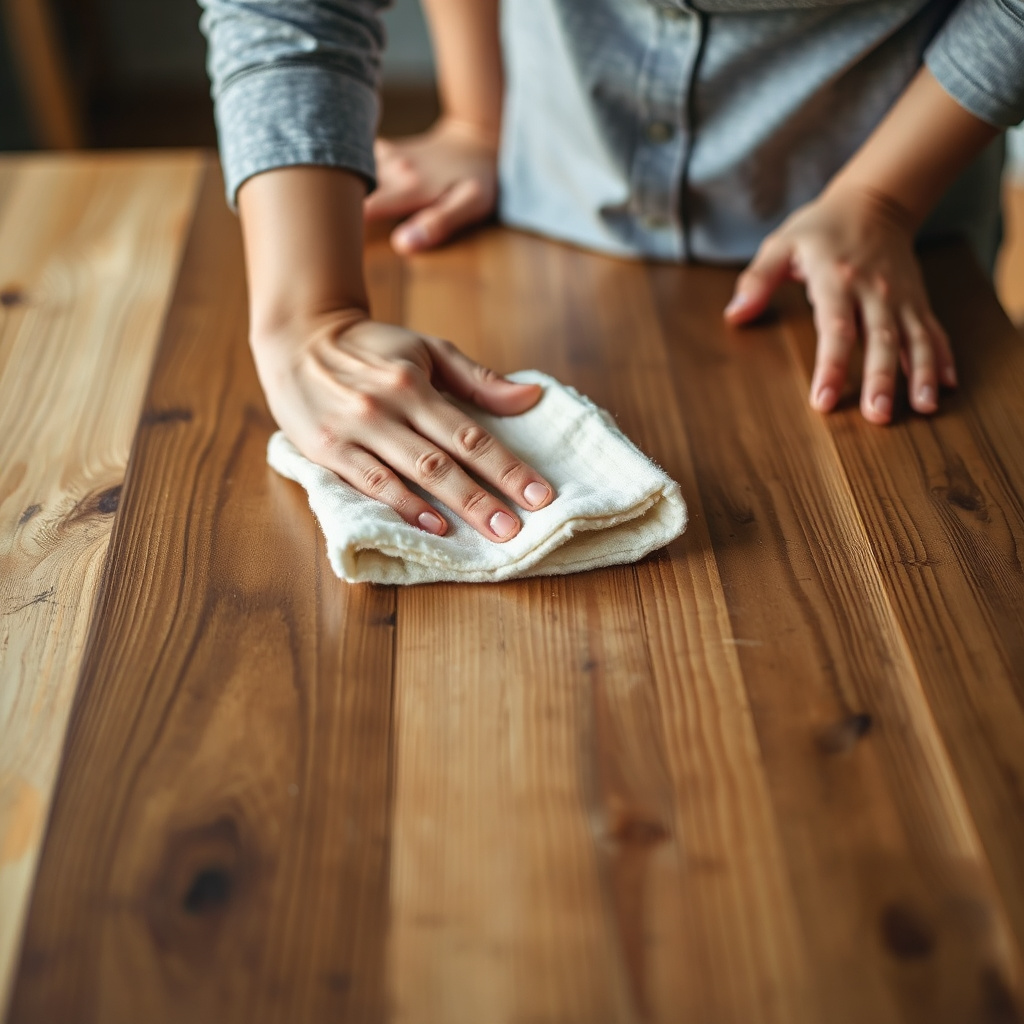
Removing dust, dirt, and grime from furniture before a move prevents these particles from scratching surfaces during transport. Clean furniture also allows you to spot existing damage that might need repair before packing.
Use gentle cleaners that suit your furniture’s material. For wood, mild soap and water or specialized wood cleaners work well. Upholstered pieces benefit from vacuuming and spot cleaning stains prior to wrapping.
Checking for Weak Spots and Damage
Take time to inspect joints, legs, and hardware on all your furniture. Look for loose screws, wobbly parts, or fragile areas that may need tightening or reinforcement to endure the move.
Addressing these issues before packing reduces the chance of breakage. If you find upholstery tears or scratches on wood, consider minor repairs so damage does not worsen.
Disassembling Furniture for Safer Moving
Which Furniture to Disassemble
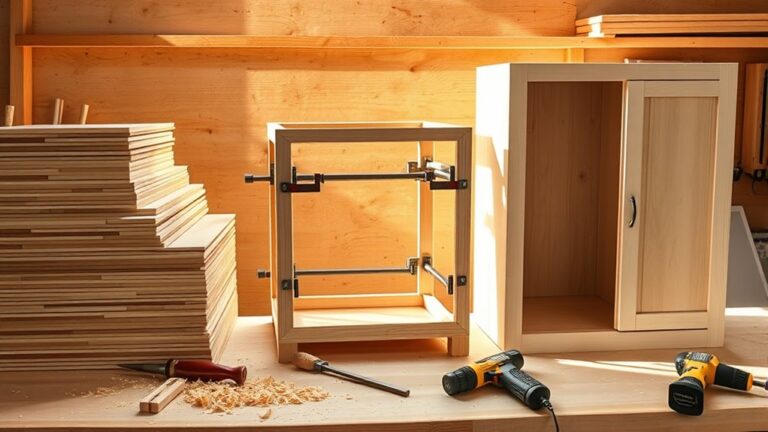
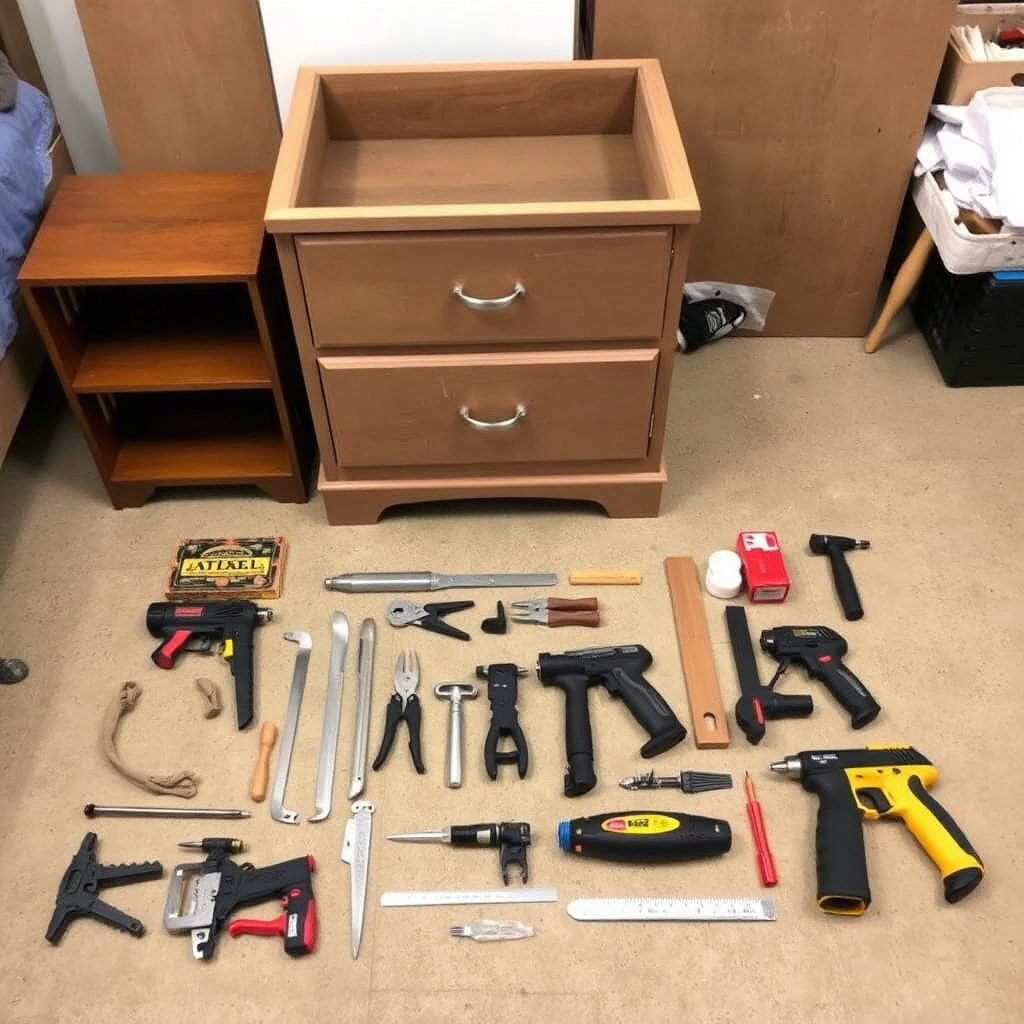
Removing legs, shelves, and detachable parts from bulky furniture like beds, tables, and cabinets makes pieces easier to handle and less prone to damage. It also facilitates fitting items through doorways and staircases.
Keep in mind that some items, like solid wood armoires, may be too complicated or risky to disassemble without professional help. Focus on pieces designed for easy detachment.
For more on this, see our related guide: How to Pull Out a Couch Bed in 7 Easy Steps.
Tips for Effective Disassembly
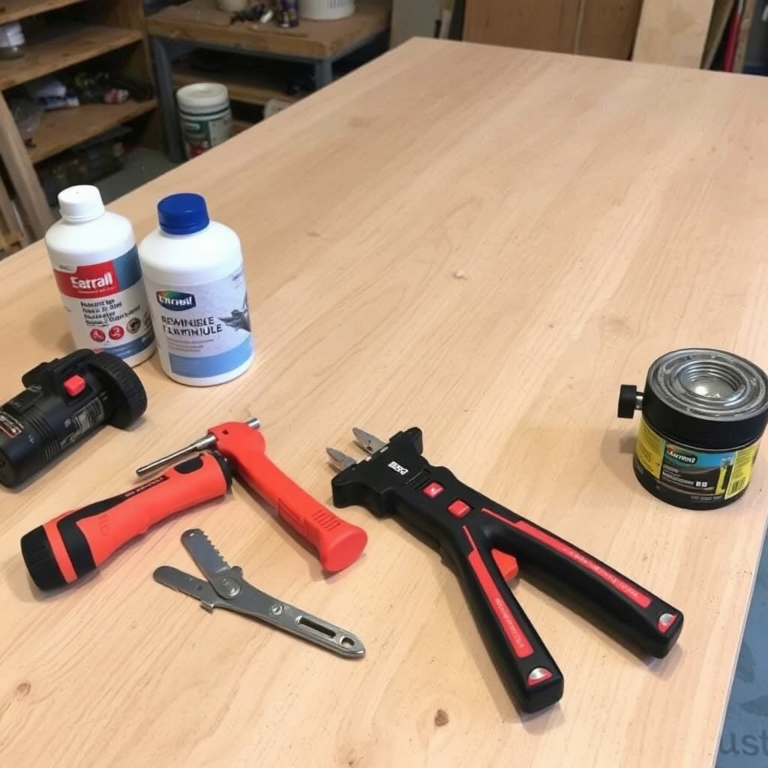
Use the right tools such as screwdrivers, Allen wrenches, and pliers to avoid stripping screws or harming furniture. Take photos at each step to reference during reassembly.
Label all hardware by placing screws and small parts in ziplock bags taped to matching furniture pieces. This organization helps avoid losing vital components.
- Photograph assembly steps
- Label hardware bags clearly
- Store small parts securely
Wrapping and Protecting Furniture for the Move

Choosing the Right Wrapping Materials
Moving blankets, bubble wrap, and plastic wrap protect surfaces from scratches, dents, and moisture. Use thick blankets for wooden furniture and bubble wrap for glass components or delicate edges.
Avoid direct contact of plastic wrap with wood as trapped moisture can cause damage. Instead, wrap wood items with blankets first, then secure with plastic wrap if needed.
- Moving blankets for wood
- Bubble wrap for glass
- Plastic wrap to secure coverings
Securing Furniture During Wrapping
Fasten padding tightly with packing tape or stretch wrap to prevent slipping during transport. Avoid using duct tape directly on furniture as it can leave residue.
Cover all corners and edges with extra padding since these areas are vulnerable during loading and unloading.
- Tape blankets securely
- Use corner protectors if available
- Wrap legs and fragile sections carefully
Loading and Transporting Furniture Safely

Proper Lifting and Carrying Techniques
Lift with your legs rather than your back to avoid injury. Use dollies or sliders for heavy pieces to reduce strain and prevent dropping.
Work in teams with clear communication to maneuver large items around corners and through tight spaces.
- Bend knees when lifting
- Use moving straps when possible
- Coordinate movements with helpers
For more on this, see our related guide: How Do You Pull Out a Couch Bed in 5 Easy Steps?.
Arranging Furniture in the Moving Truck
Load heavy and large pieces first to keep the truck balanced. Place items upright and secure them with straps or ropes to prevent shifting.
Use padding between furniture pieces to avoid scratches from contact. Fill gaps with soft materials to keep everything snug.
- Load heavy items on bottom
- Secure furniture with straps
- Use padding between pieces
Unpacking and Reassembling Furniture After the Move

Removing Wrapping Without Damage
Carefully cut tape and wrappings without scratching underlying surfaces. Dispose of packing materials responsibly or save reusable items for future moves.
Inspect furniture again for any transportation damage before placing pieces in their new locations.
For more detailed professional guidelines on furniture moving, consult this resource. professional guidelines on moving furniture.
Reassembly Tips for Efficiency
Use the photos and labeled hardware from disassembly to streamline putting your furniture back together. Proceed methodically, tightening screws gradually to avoid misalignments.
Check that all parts fit securely and test stability before using each item to ensure safety.
- Follow photos as guides
- Double-check hardware before tightening fully
- Test stability of reassembled pieces
Furniture Preparation Methods Comparison
Comparing different furniture protection methods helps choose the best approach for your move.
| Method | Protection Level | Cost | Ease of Use |
|---|---|---|---|
| Moving Blankets | High | $20-$50 | Easy |
| Bubble Wrap | Medium | $15-$40 | Moderate |
| Plastic Wrap | Low | $10-$25 | Easy |
| Foam Pads | High | $30-$60 | Moderate |
| Cardboard Sheets | Medium | $10-$30 | Moderate |
Frequently Asked Questions
Is it necessary to disassemble all furniture before moving?
Not all furniture requires disassembly. Prioritize pieces with removable parts like beds and shelving units while leaving sturdier items intact if safe to move.
What is the best way to protect wood furniture during a move?
Wrap wood furniture in moving blankets first, then secure with plastic wrap if needed. Avoid direct plastic contact to prevent moisture damage.
How can I keep track of small hardware during disassembly?
Store all screws and small parts in labeled ziplock bags attached to the corresponding furniture piece for easy reassembly later.
Can I use plastic wrap alone to protect furniture?
Plastic wrap by itself offers limited protection and can trap moisture on wood surfaces. It’s best used over moving blankets or padding.
Should I hire professionals to disassemble complex furniture?
Yes, for complicated or heavy furniture like large armoires, hiring professionals helps avoid damage and ensures safe handling.
Key Takeaways
- Clean and inspect furniture thoroughly before moving.
- Disassemble pieces when possible and organize hardware carefully.
- Wrap furniture with proper materials to prevent damage.
- Use safe lifting techniques and secure items during transport.
Conclusion
Preparing furniture for moving requires a methodical approach that starts with cleaning and inspecting each item. Identifying weak points and addressing them helps prevent damage under the stress of transport. Disassembling furniture where practical reduces bulk and facilitates easier handling. Wrapping pieces with the right protective materials cushions them against impacts, and securely loading items into the moving vehicle ensures stability throughout travel. Combining these steps minimizes damage risk and smooths the entire moving process.
For different moving scenarios, your approach will vary. If moving large, heavy furniture, disassembly paired with moving blankets offers strong protection. For delicate glass components, adding bubble wrap is ideal. Smaller or simpler furniture pieces may only need thorough cleaning and plastic wrap for dust protection. Hiring professional movers often handles these tasks with expertise, especially when complicated disassembly is involved. Consider the nature of your furniture and your physical capacity to decide the best preparation method for your move.
Once your furniture arrives at the destination, unpack carefully and refer to your disassembly documentation to reassemble efficiently. Taking the time to prepare furniture correctly before a move saves money and frustration later. Whether moving across town or cross-country, following these clear, specific steps will help your belongings arrive safely and make settling in more comfortable. The next time you plan a move, start with proper furniture preparation for a smooth, damage-free experience.