How to Sell My Furniture: A Practical Guide to Getting the Best Price
If you’re wondering how to sell my furniture, the key is to present it well, price it fairly, and reach the right buyers. Start by cleaning and repairing the pieces so they look their best. Then, research similar listings to set a competitive price. Finally, use multiple platforms like online marketplaces, social media, and local classifieds to maximize your exposure and attract serious buyers quickly. How to Sell My Furniture.
Selling furniture matters because it allows you to clear space, recover some of your investment, and ensure your old pieces find a new home instead of ending up unused. Understanding the value of your furniture based on its condition, style, and demand can significantly influence how quickly it sells and for how much.
This guide covers everything from preparing your furniture and determining the right price to selecting the best selling channels and negotiating with buyers. You’ll also find tips to enhance your listings and avoid common pitfalls that lead to slow sales or low offers.
Preparing Your Furniture for Sale
Cleaning and Repairs
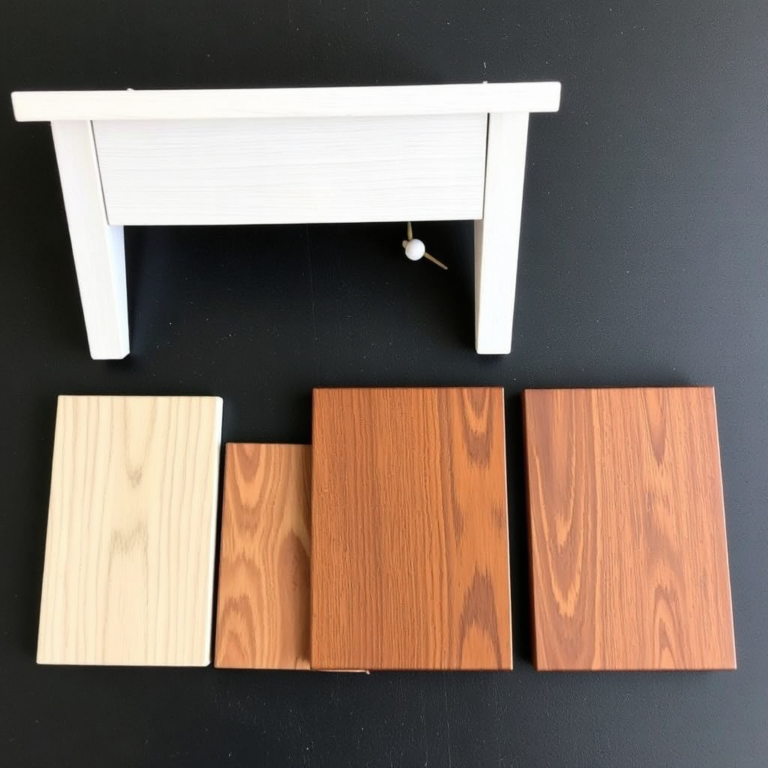
Thoroughly cleaning furniture before selling can increase its appeal significantly. Use appropriate cleaners for wood, fabric, or leather surfaces to highlight their best features. Repair minor damages like loose handles, scratches, or wobbly legs to avoid deterring potential buyers.
Small fixes are often affordable but improve buyer perception and justify a higher price. If repairs seem challenging, documenting the issue honestly in the listing helps manage expectations.
- Wipe down surfaces and remove stains
- Tighten screws and glue loose joints
- Polish wood or condition leather
- Patch small holes or scratches
Taking Quality Photos
Well-lit, clear photos from multiple angles help buyers assess the furniture’s condition and design. Natural light often works best, and using a neutral background reduces distractions. Capture close-ups of any unique details or minor flaws to maintain transparency.
Including photos with common household items for scale can prevent size confusion. Avoid overly edited images that might misrepresent the item; honest presentation builds buyer trust.
- Use daylight and avoid shadows
- Capture front, side, and back views
- Show detailed shots of fabric or wood grain
- Highlight any wear or damage
Setting the Right Price
Research Market Value
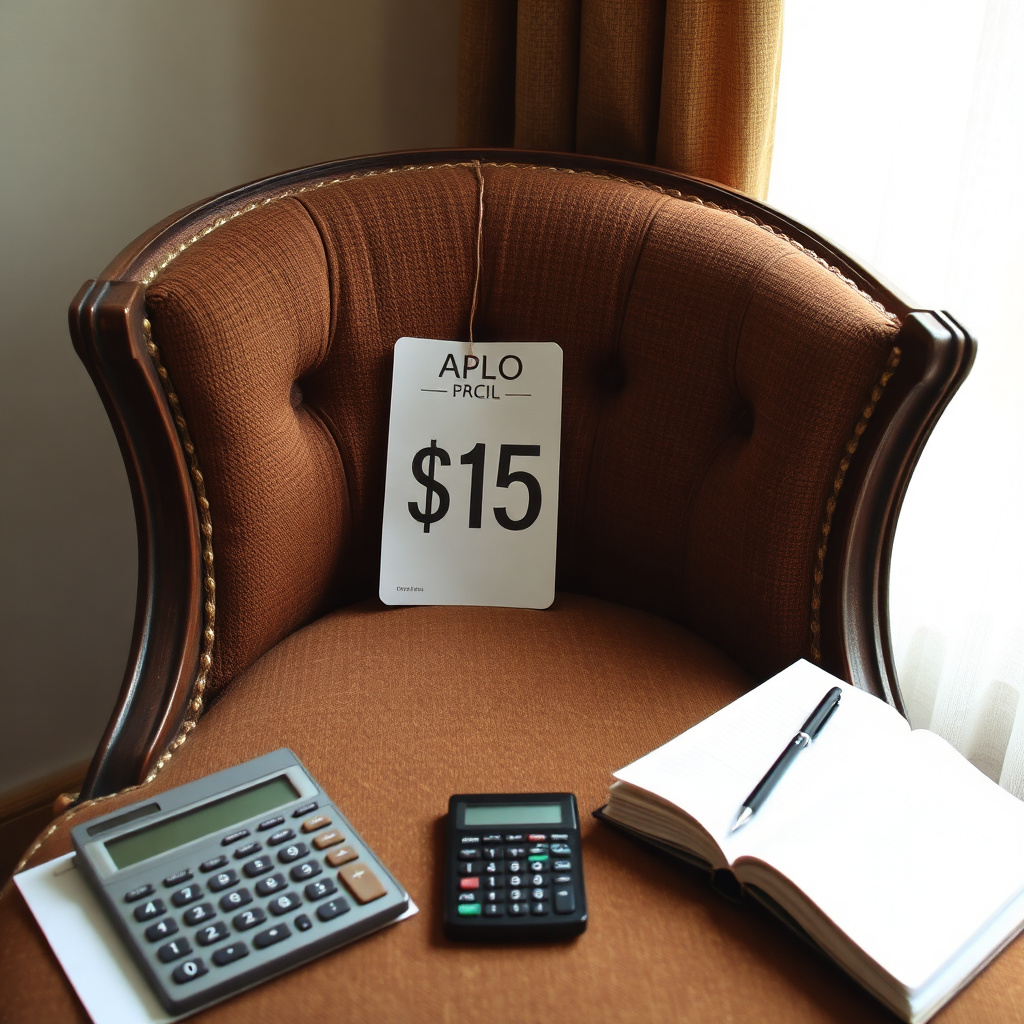
Begin by checking prices of similar furniture on popular online marketplaces to understand current trends. Consider the brand, age, and condition to position your price competitively. Antique or designer pieces could have a higher value, while mass-market furniture typically sells for less.
Setting a realistic asking price encourages quicker sales and reduces back-and-forth negotiations. Overpricing may cause your listing to be overlooked, while underpricing can mean lost money.
For more on this, see our related guide: How Do You Buy Furniture in 7 Easy Steps.
Pricing Strategies to Attract Buyers
Include a slight margin in your price to allow room for negotiation. If you need a fast sale, consider bundling multiple items or offering discounts for local pick-up. Factor in any delivery costs if offering transportation, which might affect your net earnings.
Highlighting unique features or recent refurbishments can justify higher pricing tiers. Being flexible and responsive to inquiries can improve buyer confidence and seal deals efficiently.
Choosing Where to Sell My Furniture

Online Marketplaces
Websites like Craigslist, Facebook Marketplace, and OfferUp attract local buyers and allow quick listing setup. These platforms are ideal for selling various furniture sizes without shipping hassle. Remember to provide clear details and keep communication prompt.
Some sites offer payment protection or shipping options, but local transactions avoid shipping costs and risks. Using multiple platforms simultaneously boosts visibility.
- Craigslist for local, no-fee listings
- Facebook Marketplace for social reach
- OfferUp for buyer-seller messaging
- Specialty furniture resale websites
Consignment Shops and Flea Markets
Consignment stores handle sales for you by showcasing your furniture in their space, but they charge a commission upon sale. This reduces your effort but also cuts into profits. Flea markets or local sales events provide face-to-face selling opportunities, useful for unique or vintage pieces.
These options work well when you prefer a hands-off approach or want exposure to a specific audience appreciating handcrafted or antique items.
- Consignment shops for hassle-free selling
- Flea markets to meet buyers directly
- Commission fees typically range from 20-50%
- Good for high-quality or rare furniture
Marketing Your Furniture Effectively

Crafting a Compelling Listing
Write clear, honest descriptions highlighting size, material, age, and condition. Include keywords buyers use, like ‘mid-century modern’ or ‘solid oak,’ to appear in search results. Mention any history or unique features that add value.
Setting expectations about pick-up or delivery and payment methods reduces confusion later. Proofread your listing to avoid errors that might deter buyers.
- Include dimensions and weight
- List brand and style information
- Be upfront about damage or wear
- Use appealing, accurate language
For more on this, see our related guide: How Much Do 10 Loft Beds Cost?.
Leveraging Social Media
Share furniture listings on your personal social media accounts and local community groups to reach friends and neighbors who may be interested or know someone who is. Tagging relevant hashtags or location tags can also increase exposure.
Respond quickly to comments or messages and be willing to provide additional photos or information to serious buyers. Personal recommendations often speed up sales.
- Post in local buy/sell groups
- Use platforms like Instagram and Pinterest
- Encourage sharing among friends
- Keep communication polite and timely
Negotiation and Finalizing the Sale

Handling Buyer Inquiries
Answer questions promptly and provide honest details to build trust. Be prepared to discuss payment options and scheduling pick-up or delivery. Clarifying these points early avoids misunderstandings that can delay or derail sales.
If multiple buyers show interest, letting them know politely can create urgency, but avoid inflating prices or making promises you can’t keep.
For additional background on furniture resale and related economic factors, check out furniture resale on Wikipedia. furniture resale on Wikipedia.
Sealing the Deal and Delivery
Agree in writing or via platform messaging on the final price, payment method, and pick-up or delivery time. For local sales, cash or secure online payment apps are common. If you offer shipping, package carefully and agree on costs beforehand.
After payment, provide any assembly instructions or care tips to the buyer. Collect feedback or a testimonial if the sale went well; good reviews help future sales if you continue consigning or flipping furniture.
- Confirm details before exchange
- Use secure payment options
- Offer clear collection instructions
- Request buyer feedback
Furniture Selling Platforms Comparison
Here’s a comparison of popular places where you can sell your furniture, showing fees, ease of use, and suitability for different item types.
| Platform | Fees | Best For | Payment Options |
|---|---|---|---|
| Craigslist | Free | Local pickups, all furniture types | Cash, Venmo, PayPal |
| Facebook Marketplace | Free | Local buyers, casual sales | Cash, digital payments |
| OfferUp | Free basic, fees for shipping | Local and shipped items | Card payments, digital wallets |
| Consignment Shops | 20-50% commission | High-quality or vintage pieces | Store payout after sale |
| Flea Markets | Vendor fee varies | Unique, handmade, or vintage furniture | Cash, varies by vendor |
Frequently Asked Questions
How do I price my used furniture fairly?
Compare similar items online considering condition, brand, and age. Price slightly above your minimum to allow negotiation but avoid charging too much above market rates.
Is it better to sell furniture locally or online?
Local sales avoid shipping hassles and costs, allowing quick pickups, while online listings reach more buyers but might require shipping or meetups.
What should I disclose about furniture condition to buyers?
Be honest about any damage, repairs, or wear. Clear photos and descriptions help build trust and reduce the chance of returns or disputes.
Should I offer delivery for my sold furniture?
Offering delivery can increase buyer interest but factor in time and expenses. Clarify who covers delivery costs to avoid misunderstandings.
How can I avoid scams when selling furniture online?
Use trusted platforms with secure payment methods, meet buyers in public places, and never ship items before receiving full payment.
Key Takeaways
- Clean and repair furniture to improve appeal and value.
- Research market prices to set competitive, fair pricing.
- Use multiple selling platforms to reach more buyers.
- Communicate honestly and promptly to build buyer trust.
Conclusion
Deciding how to sell my furniture successfully revolves around thoughtful preparation and clear communication. By presenting your pieces cleanly and accurately, pricing them based on current market trends, and choosing the right platforms to showcase your items, you position yourself to attract serious buyers. Keeping transparency about condition and being proactive in discussions smooths the process and prevents misunderstandings.
If you own vintage or designer pieces, consignment shops or specialty marketplaces may maximize your returns despite commission fees. For quick, general furniture sales, online marketplaces like Facebook Marketplace or Craigslist work well, especially when combined with effective listing strategies. Flea markets and social media add supplementary reach for unique or handcrafted furniture. Consider your time availability and preferred level of involvement when selecting where to sell.
Start by photographing your furniture in natural light, then research competitive pricing carefully. List your items on a few trusted platforms, and be ready to answer inquiries swiftly. This well-structured approach transforms the task of selling furniture from a stressful chore into a manageable project that can bring rewarding results.