How to Clean Wood Furniture with Vinegar: A Simple and Effective Guide
Cleaning wood furniture with vinegar is an easy, natural method to remove dirt, grime, and sticky residues without harsh chemicals. By mixing vinegar with water and sometimes added oils, you can brighten and protect your wood surfaces effectively. This approach is quick, affordable, and safe for most wood finishes.
Choosing vinegar for cleaning matters because it’s a mild acid that breaks down buildup without stripping away protective coatings or damaging the wood grain. Unlike many commercial products, vinegar is non-toxic and environmentally friendly, making it a great option for homes with children or pets.
This article will cover the best practices for using vinegar as a natural wood furniture cleaner, including the right dilution ratios, methods for application, safety tips, and recommendations for handling different types of wood finishes. You’ll also find advice on avoiding common pitfalls and alternative natural ingredients to mix with vinegar.
Understanding Vinegar’s Effect on Wood Furniture

Why Vinegar Works as a Wood Cleaner
Vinegar contains acetic acid, which helps break down oils, dirt, and sticky residues on wood surfaces. When diluted properly, it gently cleans without harming the wood’s finish or causing discoloration. This makes vinegar an excellent natural wood furniture cleaner option compared to harsher chemical alternatives.
Because wood finishes vary, vinegar’s mild acidity is enough to clean most sealed wood surfaces but too strong to apply undiluted. The key is balancing vinegar concentration and ensuring it doesn’t react negatively with sensitive finishes such as wax or oil-based coatings.
- Acetic acid removes grime effectively
- Dilution prevents damage to finishes
- Suitable mainly for sealed or varnished wood
Wood Finishes That Respond Well to Vinegar
Sealed, lacquered, polyurethane, and varnished wood furniture typically responds well to cleaning with diluted vinegar solutions. These finishes provide a protective layer, allowing safe interaction with mild acidic cleaners.
However, raw, waxed, or shellac-coated furniture requires more caution. Vinegar can strip wax and shellac finishes or dry out untreated woods, so alternative cleaning agents or spot-testing is advisable for these surfaces.
- Safe for polyurethane, lacquer, and varnish
- Avoid on waxed, raw, or shellac furniture
- Always perform spot tests first
Preparing a Vinegar Solution for Cleaning Wood Furniture
Recommended Vinegar Dilution Ratios
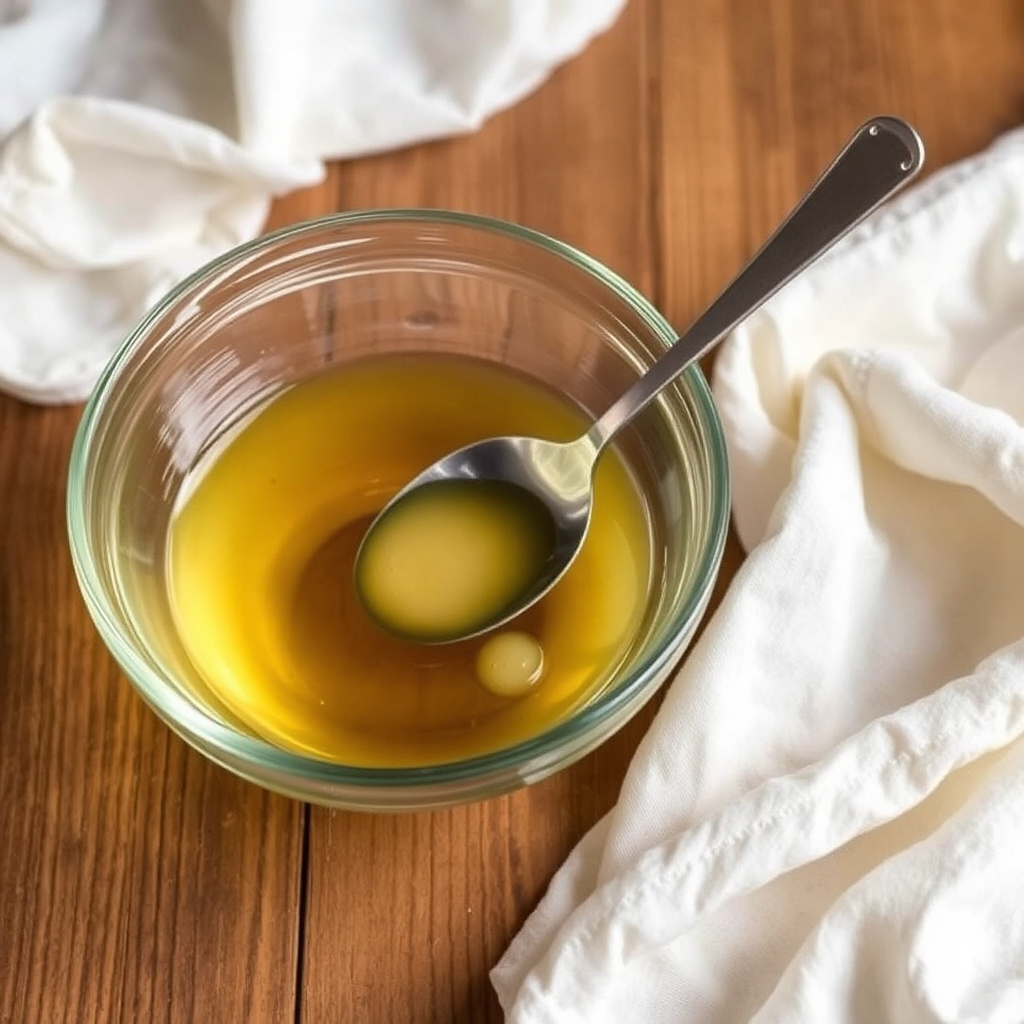
For most wood furniture, a mixture of one part white distilled vinegar to three or four parts water creates a safe and effective cleaning solution. This ratio maintains vinegar’s cleaning power while reducing acidity enough to protect wood finishes.
If the furniture is particularly dirty or greasy, a stronger solution with equal parts water and vinegar may work better but should be used sparingly and wiped off quickly to avoid damage.
- Standard dilution: 1 part vinegar to 3-4 parts water
- Heavier cleaning: 1:1 vinegar to water, use cautiously
- Use filtered or distilled water to avoid mineral residues
Adding Oils for Conditioning and Shine
Adding a few drops of natural oils like olive or lemon oil to the vinegar solution can enhance the cleaning process by simultaneously nourishing the wood and leaving a subtle shine. These oils help replenish wood’s natural moisture after cleaning.
Mix oils in small amounts to prevent sticky residue buildup. Alternatively, you can condition the wood separately after cleaning with vinegar for more control over shine and moisture.
- Add 3-5 drops of olive or lemon oil per cup of solution
- Avoid over-oiling to prevent stickiness
- Apply oils separately for deeper conditioning
Safe Application Techniques for Vinegar Cleaning

Tools and Materials to Use
Use soft, lint-free cloths such as microfiber or cotton to prevent scratching the wood surface. Avoid abrasive scrubbers or brushes that may damage the finish.
A spray bottle works well for applying the vinegar solution evenly. Alternatively, dampen a cloth with the solution, wring out excess moisture, and wipe the furniture gently.
- Soft microfiber or cotton cloths
- Spray bottle for even application
- Avoid abrasive tools or sponges
For more on this, see our related guide: 3 Tips to Choose Durable Long-Lasting Furniture.
Step-by-Step Cleaning Process
Start by dusting the wood furniture thoroughly to remove loose particles. Next, lightly spray or dampen a cloth with the diluted vinegar solution and wipe along the wood grain in gentle, circular motions.
After cleaning, immediately buff the surface with a dry cloth to eliminate moisture and prevent potential wood warping or finish dullness. Repeat if necessary but avoid saturation.
- Dust first to prep surface
- Wipe gently with damp cloth along wood grain
- Buff dry immediately after cleaning
Limitations and Precautions When Using Vinegar on Wood

Avoiding Damage to Sensitive Wood Finishes
Despite vinegar’s mild nature, undiluted vinegar or overly concentrated solutions can strip wax or oil finishes and dry out bare wood. Always test any cleaner on an inconspicuous area before full application.
Repeated or excessive vinegar use can lead to dullness or surface damage over time, so rotate cleaning methods and incorporate natural wood furniture cleaner alternatives occasionally.
- Never use undiluted vinegar on wood
- Limit vinegar cleaning frequency
- Conduct spot tests before use
When to Avoid Vinegar Cleaning
Avoid vinegar cleaning on antique pieces or furniture with delicate finishes such as shellac or wax. In these cases, consult professional restorers or use gentle cleaners specifically formulated for those surfaces.
Also, steer clear of using vinegar on unfinished or raw wood, since it can damage fibers and alter coloration.
- Do not use on unfinished or raw wood
- Avoid antique or delicate finishes without expert advice
- Choose specialized cleaners for sensitive pieces
Alternative Natural Solutions to Vinegar for Wood Cleaning

Lemon Juice and Olive Oil Mixture
Mixing fresh lemon juice with olive oil can create a natural cleaner that also polishes and conditions wood. The lemon acts as a mild acid to cut through grime, while olive oil nourishes the surface and adds shine.
Apply with a soft cloth, rub gently in the direction of the wood grain, and buff afterward for best results. This natural wood furniture cleaner is great for quick touch-ups and maintaining luster.
- Combine equal parts lemon juice and olive oil
- Apply sparingly with a soft cloth
- Buff the surface for gloss
For more on this, see our related guide: 7 Tips How to Choose the Right Kitchen Table for Your Family.
Baking Soda for Stain Removal
For tough stains or sticky residues, a paste of baking soda and water can be helpful. Baking soda’s mild abrasiveness lifts grime without harming finishes, and it deodorizes at the same time.
Use the paste gently with a soft cloth, then rinse with a damp cloth and dry thoroughly. Pairing this with vinegar cleaning sessions can keep wood furniture fresh and clean naturally.
- Make a paste: baking soda + water
- Apply gently to stains
- Rinse and dry immediately after use
Maintaining Wood Furniture After Vinegar Cleaning

Applying Wood Conditioners and Polishes
After cleaning with vinegar solutions, it’s helpful to apply wood conditioners or natural oils to restore moisture and protect finishes. Products containing beeswax or pure oils help maintain flexibility and prevent drying cracks.
Regular conditioning keeps wood looking vibrant and smooth, enhancing furniture longevity especially in dry climates or heated interiors.
- Use conditioners with beeswax or natural oils
- Apply every few months or as needed
- Avoid silicone-based polishes after vinegar cleaning
For additional information on proper wood furniture care, consult official wood furniture care guidelines. wood furniture care guidelines.
Proper Environment for Preserved Wood
Keep wood furniture away from direct sunlight and excessive humidity to prevent damage after cleaning. Stable temperature and moisture levels reduce risks of warping or finish deterioration.
Using protective pads or covers when placing objects on wood furniture also helps avoid scratches and water rings, complementing your cleaning routine.
- Avoid prolonged sun exposure
- Maintain moderate humidity levels
- Use coasters and protective pads
Vinegar Cleaning vs. Other Wood Cleaning Methods
This table compares the benefits and drawbacks of vinegar cleaning against other common wood furniture cleaning techniques.
| Method | Effectiveness | Safety for Wood | Cost | Ease of Use |
|---|---|---|---|---|
| Vinegar Solution | Moderate to High | Safe with dilution | Very Low | Easy |
| Commercial Wood Cleaners | High | Generally Safe | Medium to High | Very Easy |
| Oil and Lemon Mix | Moderate | Safe | Low | Moderate |
| Soap and Water | Low to Moderate | Safe if well rinsed | Low | Easy |
| Baking Soda Paste | Good for stains | Safe if gentle | Low | Moderate |
Frequently Asked Questions
Can vinegar damage wood furniture?
Yes, if used undiluted or too frequently, vinegar can damage wood finishes by stripping wax or drying the material. Always dilute vinegar and test a small area first.
Is vinegar safe for all wood types?
No, vinegar is safe mainly for sealed, varnished, lacquered, or polyurethane wood. Avoid vinegar on raw, waxed, or shellac-coated wood.
How often should I clean wood furniture with vinegar?
Limit vinegar cleaning to occasional sessions, such as once every few weeks, to avoid drying out finishes or dulling the wood surface.
Can I add oils directly to vinegar for cleaning wood?
Yes, a few drops of natural oils like olive or lemon oil can be added to diluted vinegar for conditioning, but use sparingly to prevent sticky residue.
What’s the best way to apply vinegar solution to wood furniture?
Use a soft lint-free cloth or a spray bottle to apply a diluted vinegar solution gently along the wood grain, then dry immediately to prevent moisture damage.
Key Takeaways
- Always dilute vinegar before using it to clean wood furniture.
- Vinegar is safe mainly for sealed or varnished wood surfaces.
- Add natural oils to vinegar solutions cautiously for conditioning.
- Test any vinegar cleaner on a small hidden spot first.
Conclusion
When deciding how to clean wood furniture with vinegar, the critical factors are dilution ratio, wood type, and finish. Properly diluted vinegar effectively removes grime without harming sealed surfaces, making it a reliable choice for natural cleaning. However, caution is needed because raw or waxed woods can suffer damage. Testing inconspicuous spots and limiting vinegar use will help preserve the furniture’s appearance over time.
For routine cleaning, a standard vinegar-to-water ratio of about 1:3 or 1:4 provides good results for most varnished or polyurethane finishes. Those with furniture finished in lacquer or wax should consider milder alternatives such as lemon juice and olive oil mixtures or commercial natural wood furniture cleaners. Baking soda paste is practical for stubborn stains but should be used gently to avoid abrasions.
Ultimately, the best next step is to establish a cleaning routine that includes occasional vinegar use combined with conditioning oils and careful environmental care. This approach maintains wood health and elegance affordably without exposure to harsh chemicals. Start with small batches of the vinegar solution and proceed cautiously, so your wood furniture stays beautiful and resilient for years.