How to Stop Dog Chewing Furniture: Effective Strategies and Tips
The most effective way to stop dog chewing furniture is to address the root causes of the behavior while providing suitable alternatives and consistent training. Immediate steps include redirecting your dog’s chewing to appropriate toys and using deterrent sprays on furniture to discourage biting.
Chewing is a natural behavior for dogs, often driven by teething, boredom, anxiety, or a need for stimulation. When left unchecked, it can cause significant damage to household items and create tension between pet and owner. Understanding why your dog chews is key to applying solutions that provide lasting results.
This article will cover the reasons behind furniture chewing, practical training techniques, alternatives for safe chewing, deterrents to protect your belongings, and tips to keep your dog mentally and physically engaged to reduce destructive habits.
Understanding Why Dogs Chew Furniture

Reasons Behind Chewing Behavior
Dogs chew for various reasons including relieving the discomfort of teething, alleviating stress or anxiety, seeking attention, or simply boredom. Puppies often chew furniture as part of exploring their environment, while adult dogs might do it if they have not received enough physical or mental stimulation.
Chewing also helps dogs strengthen their jaws and clean teeth, but when directed at furniture, it becomes problematic. Identifying the underlying motivation can guide owners in selecting the right intervention strategies.
Recognizing Signs of Stress and Boredom
Signs such as restlessness, excessive barking, pacing, and destructive chewing indicate your dog may be stressed or bored. Dogs left alone for extended periods often turn to chewing as a way to cope with their anxiety or loneliness.
Addressing these signs with increased exercise, enrichment games, or calming aids can prevent furniture from becoming a target for destructive habits.
Training Techniques to Stop Dog Chewing Furniture
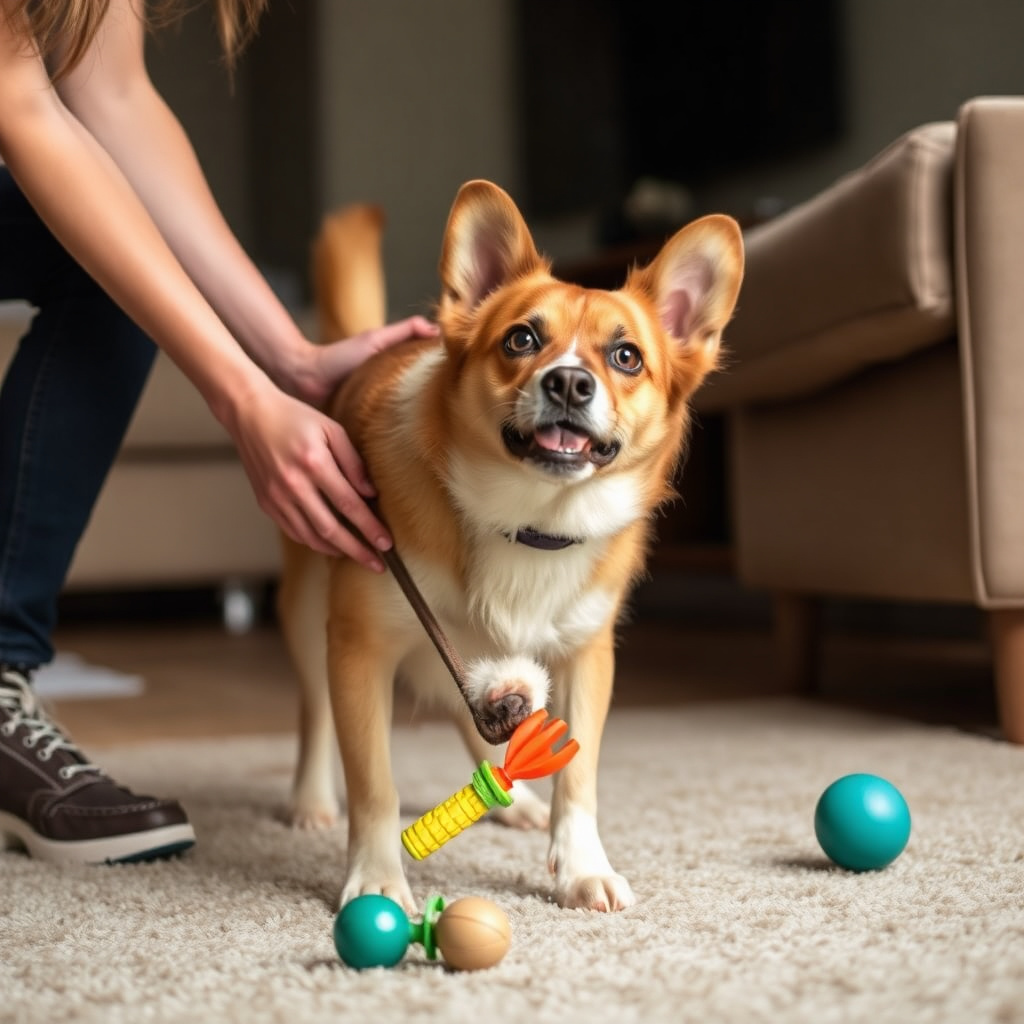
Positive Reinforcement and Redirection
When you catch your dog chewing furniture, calmly redirect them to a suitable chew toy. Reward them immediately when they chew the appropriate item to encourage this behavior. Using treats and verbal praise strengthens the association between the desired behavior and positive outcomes.
Consistency is critical—each time unwanted chewing occurs, redirect and reward promptly. This method helps your dog learn which items are acceptable and reduces furniture damage.
- Use treats to reward good behavior
- Keep chew toys accessible at all times
Using Commands and Crate Training
Teaching basic commands like ‘leave it’ or ‘no’ can effectively interrupt chewing before damage occurs. Pair these commands with firm but gentle correction and redirection to acceptable items.
Crate training offers a safe space where your dog is less likely to chew furniture unsupervised. Introducing the crate gradually and associating it with comfort reduces anxiety and helps manage chewing by limiting access.
- Introduce crate slowly
- Practice commands regularly
Furniture Protection and Deterrents
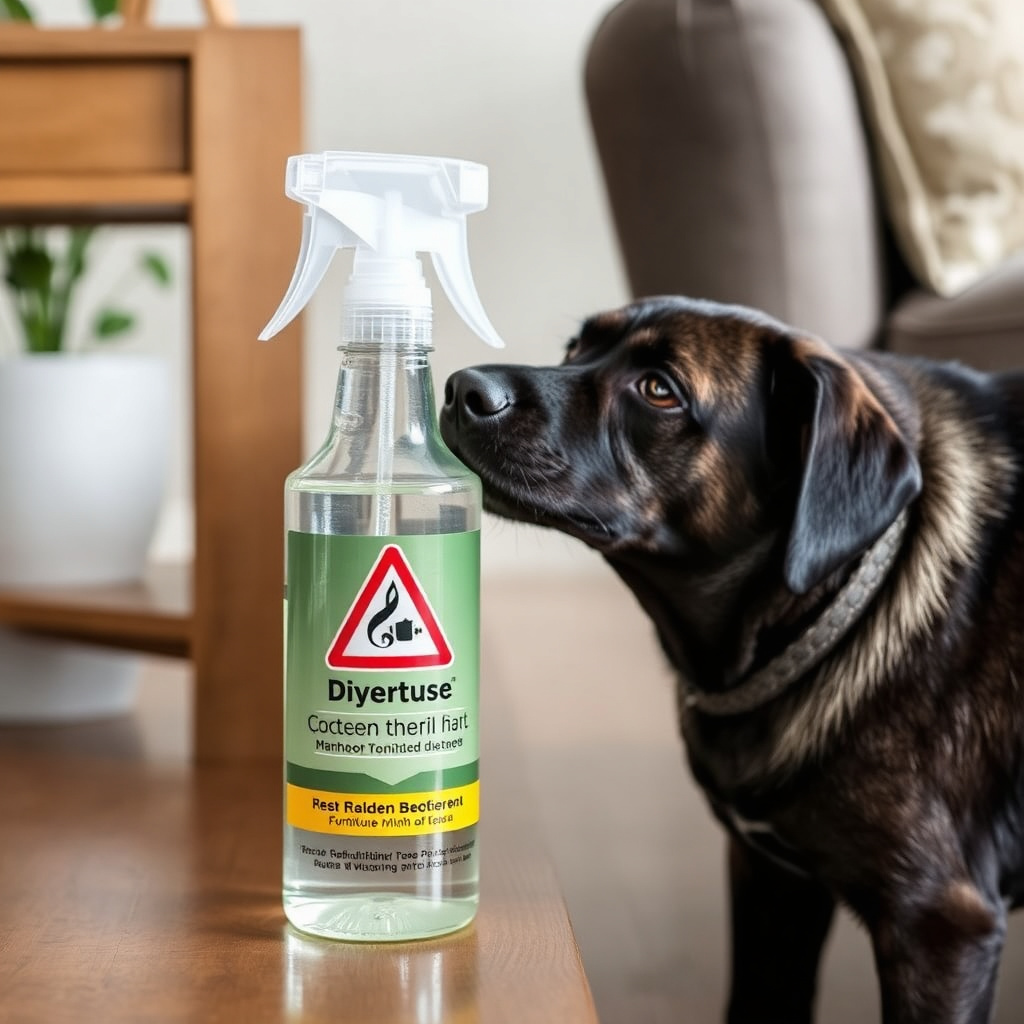
Bitter Sprays and Physical Barriers
Bitter-tasting sprays applied to furniture surfaces act as a deterrent because dogs find the taste unpleasant. These are non-toxic and safe but require regular reapplication to remain effective.
Physical barriers like baby gates or furniture covers prevent access to vulnerable items. Combining these tools with training maximizes protection against chewing.
- Apply sprays to all commonly chewed furniture
- Use gates to restrict access to rooms with valuable furniture
Choosing Durable and Chew-Resistant Materials
Selecting furniture made from materials like metal, glass, or tightly woven fabrics reduces the appeal to dogs seeking something to chew. Pet-friendly furniture designs can minimize damage and maintain aesthetics.
While replacement isn’t always feasible, protective covers or treatments can extend the life of your current furniture.
Providing Appropriate Chewing Alternatives

Selecting the Right Chew Toys
Chew toys should be durable, safe, and tailored to your dog’s size and chewing style. Rubber toys, nylon bones, and puzzle toys engage your dog’s chewing urge while providing mental stimulation.
Rotate toys regularly to maintain interest and always supervise to prevent accidental swallowing or choking hazards.
- Choose size-appropriate toys
- Avoid toxic or breakable materials
Using Food-Based Chews and Treats
Edible chews like bully sticks or dental chews satisfy your dog’s need to chew and can promote dental health. These treats keep your dog occupied and reduce the likelihood of furniture chewing.
Limit treats to appropriate quantities to avoid excess calories and monitor your dog while consuming them to prevent digestive issues.
- Select vet-recommended edible chews
- Supervise chewing sessions
Maintaining Mental and Physical Engagement

Regular Exercise and Playtime
Physical activity helps reduce excess energy that might otherwise be directed into destructive chewing. Engaging your dog with daily walks, fetch, and interactive play satisfies their needs and encourages good behavior.
Tailoring activities to your dog’s breed, age, and health can optimize outcomes and support their well-being.
- At least 30 minutes of exercise daily
- Include interactive games
Mental Stimulation and Training Challenges
Providing puzzle feeders, obedience training, and scent games keeps your dog’s mind active and less likely to engage in boredom-driven chewing. Mental fatigue can be as effective as physical tiredness in reducing unwanted behaviors.
Training sessions also strengthen the bond with your dog, making it easier to manage chewing impulses over time.
- Use food-dispensing toys
- Incorporate new tricks regularly
When to Seek Professional Help

Recognizing Persistent Behavioral Problems
If your dog’s chewing persists despite training and preventive measures, it may indicate anxiety disorders or other behavioral issues needing specialized intervention.
Signs include destructive behavior continuing when needs are met, extreme stress symptoms, or aggression linked to chewing urges.
For a deeper understanding of why dogs engage in chewing behavior, the Wikipedia page on dog behavior offers comprehensive insights. dog behavior chewing.
Working With Trainers and Veterinarians
Professional dog trainers or veterinary behaviorists can provide tailored programs combining behavior modification and, if necessary, medical treatment.
Collaborating with professionals ensures your dog receives appropriate care to improve quality of life and reduce destructive chewing.
Comparison of Dog Chewing Prevention Methods
This table compares common approaches to stopping dog chewing with their benefits and drawbacks to help you choose the best fit for your situation.
| Method | Effectiveness | Cost | Ease of Use | Suitability |
|---|---|---|---|---|
| Training and Redirection | High | Low | Moderate | All dogs |
| Bitter Sprays | Moderate | Low | Easy | Dogs sensitive to tastes |
| Crate Training | High | Moderate | Challenging | Puppies and anxious dogs |
| Physical Barriers | Moderate | Variable | Easy | Limited spaces |
| Chew Toys and Treats | High | Moderate | Easy | All dogs |
| Professional Help | Very High | High | Varies | Severe cases |
Frequently Asked Questions
Can chewing be a sign of health problems in dogs?
Chewing is mostly normal, but excessive chewing might indicate dental pain, nutritional deficiencies, or anxiety. Consult a vet if chewing is sudden or accompanied by other symptoms.
How long does it take to stop a dog from chewing furniture?
The timeline varies widely by dog and consistency of training. Some dogs improve in weeks, while others need months of patient redirection and reinforcement.
Are certain dog breeds more likely to chew furniture?
Breeds with higher energy or a strong chewing instinct, like retrievers or terriers, are more prone to chewing. However, any breed can chew if bored or stressed.
Is it safe to use bitter sprays on all types of furniture?
Most bitter sprays are safe but test a small hidden area first to confirm no damage. Avoid sprays on delicate or finished wood without manufacturer guidance.
Can anxiety medications help reduce destructive chewing?
Yes, when chewing is linked to anxiety, vets may prescribe medications alongside training to reduce stress-driven behaviors effectively.
Key Takeaways
- Identify the cause of chewing to tailor the intervention.
- Use consistent training and positive reinforcement for best results.
- Provide safe chew toys and restrict access to furniture.
- Maintain your dog’s exercise and mental engagement to reduce boredom.
Conclusion
Deciding how to stop dog chewing furniture involves understanding your pet’s motivations and implementing consistent, positive strategies. Observing behaviors to detect boredom, anxiety, or teething guides which tools or training approaches are appropriate. Combining redirection to appropriate toys with environmental management prevents damage effectively.
Among the methods discussed, training and redirection works well for most dogs, especially when paired with chew toys that satisfy their natural urges. Bitter sprays and physical barriers offer additional protection, while crate training helps puppies and anxious dogs. For persistent or severe chewing, professional guidance from trainers or veterinarians can create custom plans that address underlying behavioral health.
Start with low-cost, accessible solutions such as providing safe chew alternatives and using positive reinforcement. Monitor your dog’s progress and adjust tactics as needed. If unwanted chewing continues, consulting a professional ensures your dog’s comfort and your home’s preservation.