How to Refinish Wrought Iron Patio Furniture: Step-by-Step Guide
Refinishing wrought iron patio furniture involves removing rust, smoothing the surface, applying primer, and repainting to protect it and restore its appearance. Starting with thorough cleaning and rust removal ensures the finish will last longer. After prepping the surface properly, you’ll apply a rust-resistant primer before painting with durable outdoor paint designed for metal.
Wrought iron is popular for patio furniture because of its durability and classic aesthetic, but over time exposure to weather causes rust and peeling paint. Refinishing is essential for maintaining both its look and structural integrity so your furniture remains safe and attractive for years. Proper refinishing also prevents rust from returning quickly, a common problem in outdoor metal furniture.
This article covers everything you need to know about refinishing wrought iron patio furniture — from assessing the condition to selecting materials, preparing the surface, applying primer and paint, and maintenance tips that keep your furniture looking fresh season after season.
Understanding Wrought Iron Patio Furniture Conditions
Identifying Rust and Damage Levels
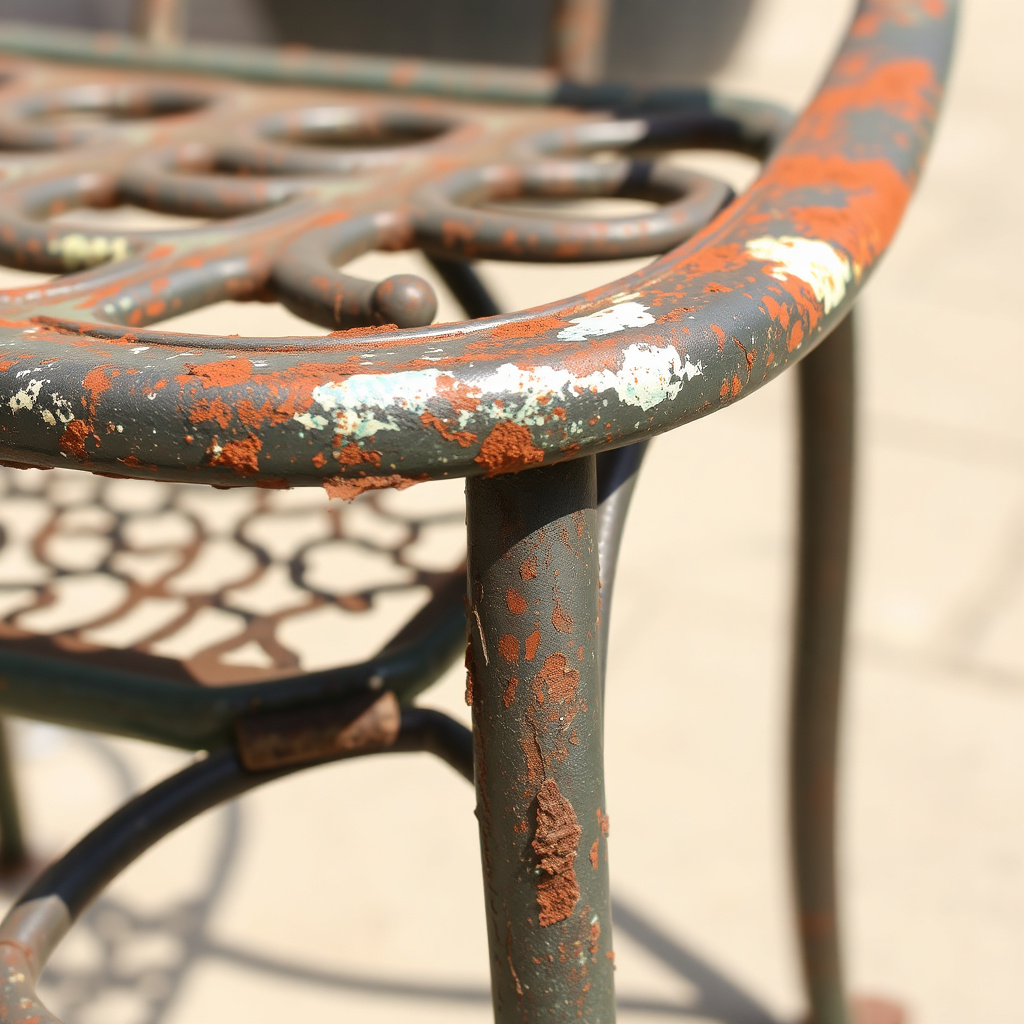
Begin by thoroughly inspecting your wrought iron furniture for rust patches, peeling paint, and any structural damage such as bent or cracked elements. Light surface rust appears as flaky orange spots, while deeper corrosion can cause pitting and weaken the metal. Noting these areas helps plan your refinishing process accurately.
Minor rust can be treated with sanding and wire brushing, but extensive damage might require professional welding or replacement parts. Checking joints and screws also reveals whether hardware needs tightening or replacing before refinishing.
- Look for rust spots and peeling paint
- Check for structural damage
- Inspect hardware for wear or looseness
Assessing Paint Type and Prior Finishes
Understanding the existing paint type helps select compatible primers and paints for your refinishing project. Older wrought iron furniture often uses oil-based enamel paint, which requires sanding or stripping to ensure new coatings adhere properly. If previous paint is severely cracked or flaking, removal is necessary.
In some cases, powder coating may be present, which demands specialized refinishing approaches including sanding or professional stripping. Testing a small inconspicuous area can verify how well new paint bonds to the surface.
Preparing Wrought Iron Patio Furniture for Refinishing

Cleaning and Rust Removal Techniques
Thorough cleaning is critical before refinishing wrought iron. Use a stiff wire brush or steel wool to remove loose rust and peeling paint. For stubborn rust, sandpaper or a rotary tool with a wire wheel attachment speeds the job and smooths the surface. Washing afterward with mild detergent removes dust and grease.
For extensive rust, applying a chemical rust remover or converter neutralizes corrosion and prevents further spread. Always wear protective gear and follow product instructions carefully to avoid damage to the metal or surrounding surfaces.
- Wire brush for light rust removal
- Sandpaper for smoothing
- Use rust remover for heavy corrosion
- Clean with detergent and water after sanding
Sanding and Surface Smoothing
After rust removal, sand the entire furniture surface with medium- to fine-grit sandpaper until smooth and free of rust residue. This step ensures the new primer and paint adhere firmly and evenly. Pay attention to crevices and decorative details using smaller sanding tools or sponges.
Wipe surfaces with a tack cloth or clean rag to eliminate dust before applying primer. Any remaining particles can cause bubbles or flaking in the finish later.
Choosing Proper Primer and Paint for Wrought Iron Patio Furniture
Selecting Rust-Resistant Primers
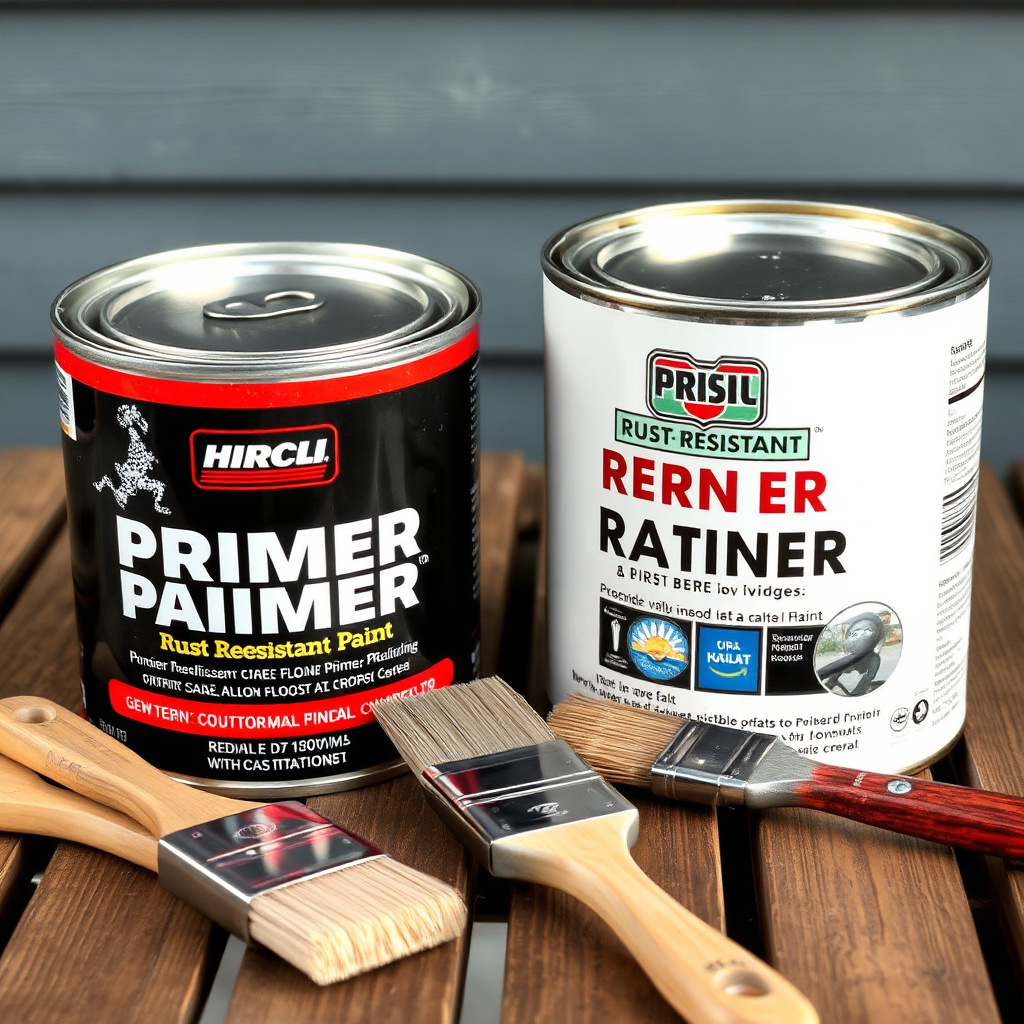
A rust-inhibiting primer specially formulated for metal is essential to prevent rust from reappearing after refinishing wrought iron furniture. Zinc-rich or etching primers create a strong bond and form a protective barrier against moisture and air exposure that cause corrosion.
Choose primers labeled for outdoor use and compatible with your selected paint type (oil-based or acrylic). Applying a thin, even coat increases primer effectiveness and extends the lifespan of your finish.
- Zinc-rich primers for best rust protection
- Outdoor-use primers are preferred
- Match primer type with paint
Best Paint for Wrought Iron Furniture
Durable outdoor paint that withstands weathering is critical for refinishing wrought iron. Oil-based enamel paints provide a hard, glossy finish ideal for metal, while rust-resistant acrylic paints offer easier cleanup and quicker drying times. Some modern spray paints combine primer and paint for convenience.
Whichever option you choose, applying at least two coats ensures thorough coverage and protection. Dark colors like black and bronze are popular for wrought iron, but consider UV-resistant paints if your furniture gets intense sun.
Applying Primer and Paint to Wrought Iron Furniture

Techniques for Primer Application
Use a brush or spray gun to apply primer evenly on all surfaces, including underneath and in crevices. Applying primer in thin layers reduces drips and pooling. Allow adequate drying time according to manufacturer instructions before sanding lightly to smooth any bumps.
Ventilation is important during this step for safety and to help primer dry properly. Multiple thin coats offer better adhesion and rust protection than a single thick coat.
- Thin, even coats prevent runs
- Sand primer lightly after drying
- Ensure good ventilation
Painting and Finishing Tips
After primer dries and is smoothed, apply paint in several thin coats using a brush, roller, or spray. Avoid heavy coverage which can cause drips or uneven finishes. Let each coat dry fully before applying the next to build a durable surface.
For best results, paint during mild weather when humidity is low. Once fully cured, applying a clear sealer can add extra weather resistance, especially in humid or coastal environments.
- Apply multiple thin coats
- Allow complete drying between coats
- Consider clear sealer for extra protection
Maintaining and Protecting Refinished Wrought Iron Patio Furniture
Regular Cleaning and Rust Prevention
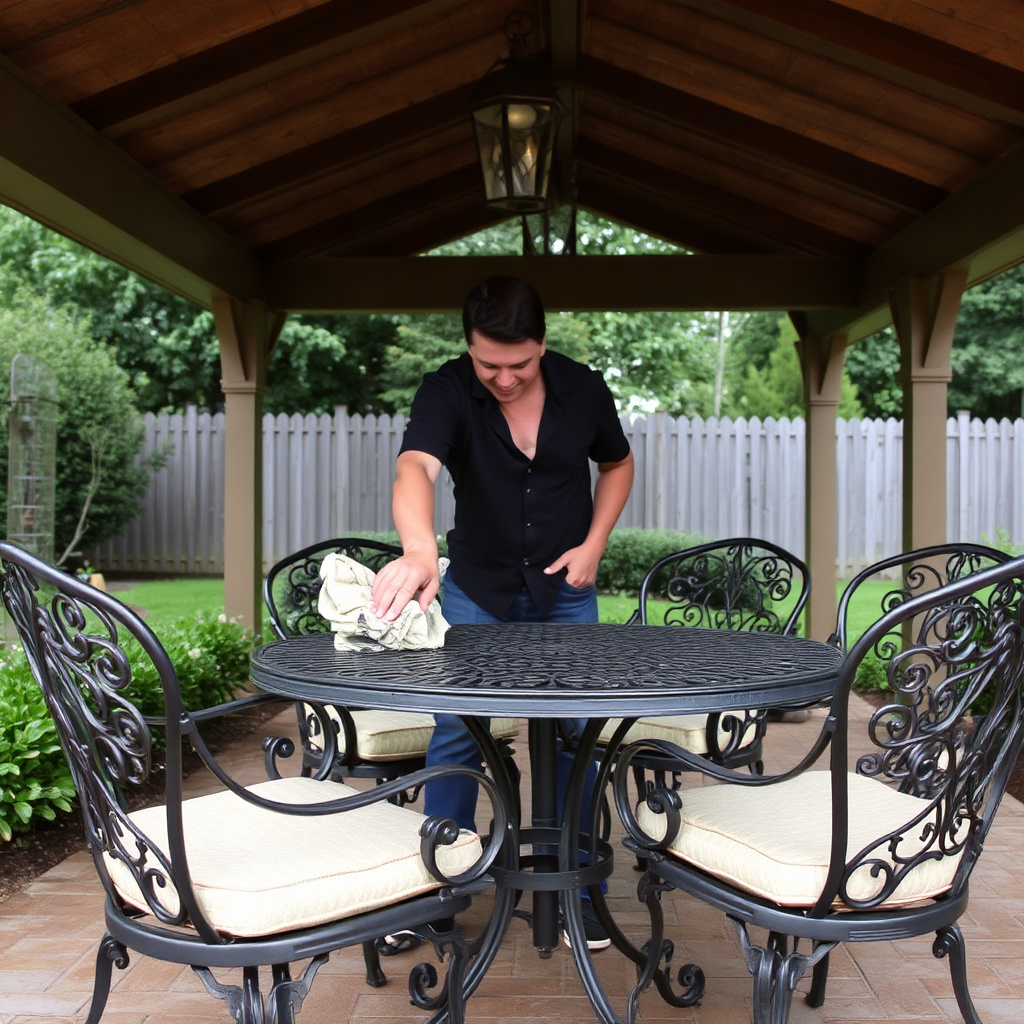
Keep your refinished wrought iron furniture looking sharp with regular cleaning using mild soap and water. Avoid harsh chemicals or abrasive tools that can damage the paint layer. Dry furniture thoroughly after rain or washing to prevent moisture buildup.
Inspect periodically for small chips or scratches in paint, which can expose metal to rust. Touch up these areas promptly with matching paint to avoid corrosion spreading.
- Clean with mild soap and water
- Dry thoroughly after moisture exposure
- Touch up chips promptly
Seasonal Care and Storage Advice
If possible, store furniture indoors or use breathable covers during harsh weather or winter months. Protecting from excessive rain and snow prolongs the finish lifespan. Applying paste wax or specialized metal protectants before storage adds an extra moisture barrier.
For coastal environments, more frequent inspections and touch-ups might be necessary due to salty air accelerating corrosion. Periodic refinishing every few years can keep your patio furniture looking its best.
- Use breathable covers in off-season
- Apply wax or protectants before storage
- Inspect more often in coastal areas
Additional Tips for Refinishing Success
Safety Precautions When Refinishing
Wear gloves, safety goggles, and a respirator mask when sanding old paint and handling chemicals to protect your skin, eyes, and lungs. Work in a well-ventilated outdoor area or use a fan to disperse fumes from primers and paints.
Dispose of paint chips and chemical containers according to local hazardous waste guidelines to prevent environmental contamination.
- Wear protective gear
- Work outdoors with ventilation
- Properly dispose of waste materials
For a broader understanding of wrought iron properties and maintenance, see this detailed overview on wrought iron furniture maintenance. Wrought iron furniture maintenance.
Choosing Tools and Supplies
Invest in quality brushes, sanders, and spray equipment designed for metal finishes to achieve a smooth, professional look. Specialized wire brushes and sanding discs help reach ornate details common in wrought iron designs.
Selecting the best paint for wrought iron furniture affects durability and appearance, so research product reviews and ask for expert advice at hardware stores.
- Use metal-specific sanding tools
- Choose quality brushes and sprays
- Research paints for durability and finish
Comparison of Refinishing Methods for Wrought Iron Patio Furniture
Here is a comparison of popular refinishing approaches to help you choose the best method for your wrought iron patio furniture restoration.
| Method | Preparation Time | Durability | Ease of Application | Cost |
|---|---|---|---|---|
| Hand sanding + brush paint | 6-8 hours | 2-3 years | Moderate | Low |
| Power sanding + spray paint | 4-6 hours | 3-5 years | High | Medium |
| Chemical stripping + powder coating (professional) | Varies (days) | 7-10 years | Low (DIY) | High |
| Rust converter + paint + sealer | 3-5 hours | 1-2 years | Easy | Low |
Frequently Asked Questions
Can I refinish wrought iron furniture without removing old paint?
Light surface rust and loose paint should be removed before refinishing for the best results. Skipping paint removal risks poor paint adhesion and faster rust reappearance.
How long does refinishing wrought iron furniture last?
With proper prep and quality products, a good refinish typically lasts 3 to 5 years before touch-ups are needed, depending on exposure to weather.
Is spray paint better than brush paint for wrought iron?
Spray paint offers even coverage and reaches intricate details more easily, but brush painting allows more control and is cost-effective for smaller pieces.
Do I need to seal painted wrought iron furniture?
Applying a clear sealer can improve weather resistance and durability, particularly in wet or harsh climates, although it’s not always necessary.
How do I prevent rust after refinishing my furniture?
Regular cleaning, drying after moisture exposure, prompt paint touch-ups, and protective covers during bad weather help prevent rust from forming again.
Key Takeaways
- Proper rust removal and surface prep are vital for lasting refinishing
- Use rust-inhibiting primer compatible with your paint choice
- Multiple thin coats of high-quality outdoor paint protect wrought iron furniture
- Regular maintenance extends the lifespan of your refinished patio pieces
Conclusion
Refinishing wrought iron patio furniture is a practical way to restore its classic charm and functionality. The decision process should start with a detailed inspection to gauge rust severity and paint condition, guiding your approach to cleaning and repair. Following a thorough prep routine including rust removal and sanding ensures primers and paints adhere correctly, preventing accelerated corrosion. The main keyword, how to refinish wrought iron patio furniture, ties directly to these careful steps that rebuild protective layers while enhancing aesthetics, maximizing your investment in durable outdoor decor.
Choosing the right materials makes a big difference in the outcome. For example, rust-resistant zinc primers with high-quality outdoor paints provide excellent protection, especially when applied in thin, multiple coats. Spray painting suits detailed wrought iron patterns for smooth coverage whereas hand brushing offers controlled application for smaller projects. Depending on your desired durability and budget, options range from simple rust converter and paint methods to professional powder coating, each with trade-offs in cost, time, and lifespan. The secondary keyword, best paint for wrought iron furniture, relates here as selecting paint designed specifically for metal ensures longer-lasting finishes and vibrant color retention against weather exposure.
After refinishing, maintenance prolongs your furniture’s appearance and structural integrity. Regular cleaning with mild soap and water, promptly touching up chips, and using protective covers during off-season are practical steps to keep rust at bay. If you are ready to restore wrought iron patio furniture, begin by gathering the right tools and protective gear and follow a systematic process of evaluation, prep, priming, painting, and upkeep. This approach will provide years of enjoyment from reliably beautiful outdoor furniture.