How to Wash Outdoor Furniture Cushions: A Step-by-Step Guide
Washing outdoor furniture cushions properly involves removing loose debris, spot treating stains, and cleaning with a mild detergent solution before rinsing and air drying thoroughly. This method preserves their fabric and prevents mildew buildup. Starting with gentle cleaning avoids damaging the fibers or colors of the cushions.
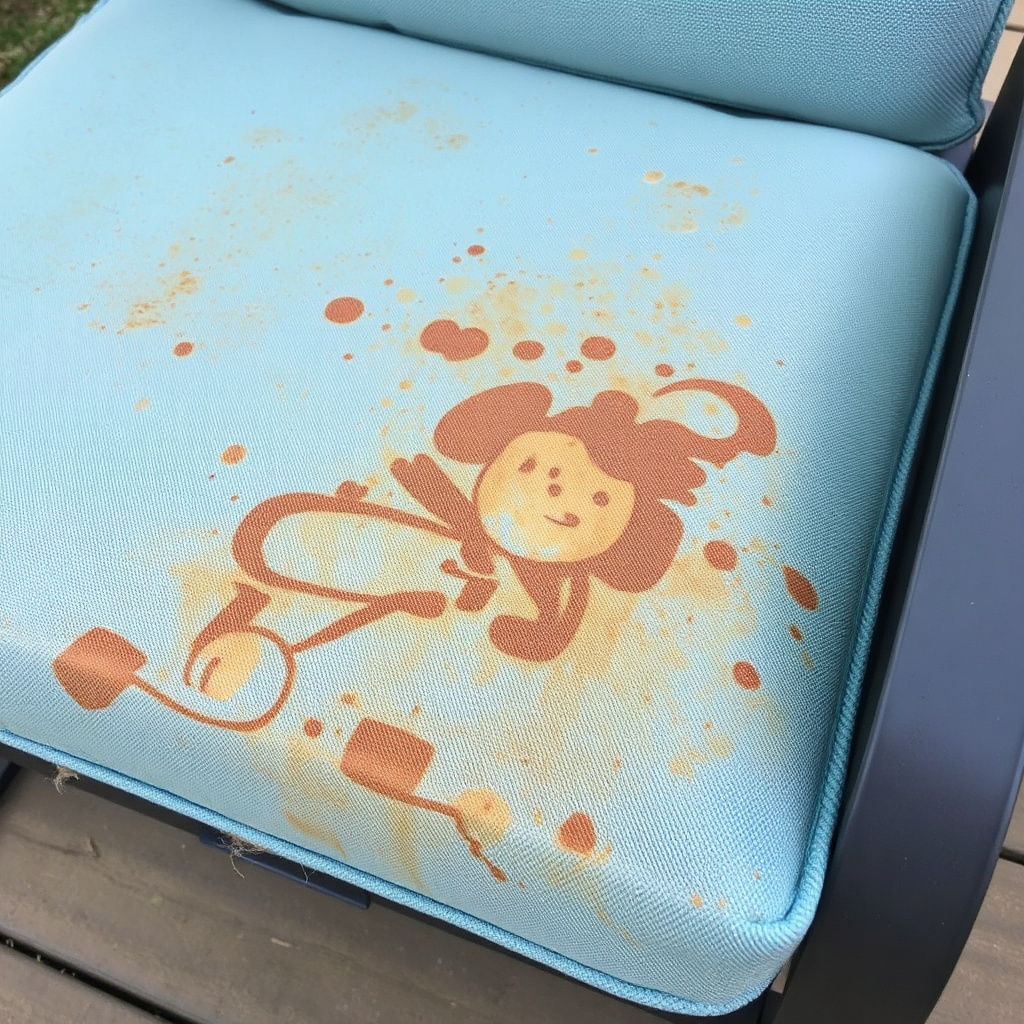
Outdoor cushions endure dirt, pollen, bird droppings, and weather exposure, which can cause stains and odors. Regular cleaning refreshes your cushions, helps maintain their appearance, and extends their useful life, especially since many are water-resistant but not waterproof. Keeping cushions clean also prevents allergens and mold growth.
This article will guide you through the detailed steps for washing outdoor furniture cushions, including preparing the cushions, choosing a cleaning method, tips for spot cleaning, best drying practices, and advice on maintaining cushions between washes. You’ll also learn about when to opt for professional cleaning or replacement.
Preparing Your Outdoor Furniture Cushions for Washing

Removing Loose Dirt and Debris
Begin by brushing off loose dirt, leaves, and dust using a soft-bristle brush or vacuum with an upholstery attachment. Paying attention to seams and folds helps dislodge trapped particles that can build up over time.
This initial cleaning reduces the chance of rubbing dirt further into the fabric during washing and makes spot treatment more effective.
- Use a soft brush or vacuum
- Target seams and corners
- Do this outdoors if possible
Checking Fabric Tags and Manufacturer Instructions
Before washing, check the cushion tags for washing instructions and fabric type. Some cushions have removable covers machine-washable on gentle cycles, while others require hand washing or professional cleaning.
Following manufacturer guidelines prevents damage such as color fading, shrinking, or fabric deterioration.
- Look for care labels
- Identify if covers are removable
- Note recommended cleaning methods
Choosing the Right Cleaning Method for Outdoor Cushions
Hand Washing Cushions
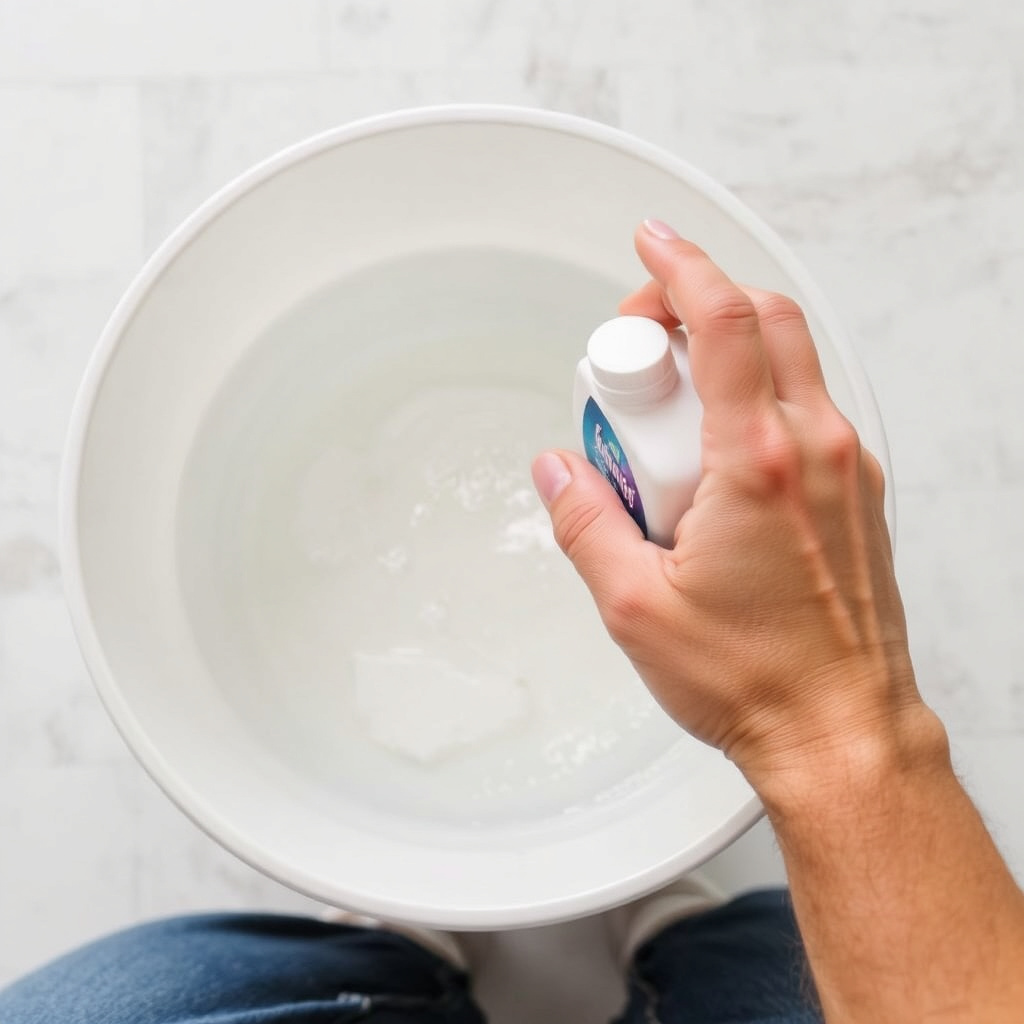
Hand washing is safest for delicate or non-removable cushion covers. Use a bucket with warm water mixed with a mild detergent designed for outdoor fabrics or gentle upholstery cleaners.
Gently scrub with a soft sponge or cloth, focusing on soiled areas but avoiding excessive soaking, which can cause mildew if not dried properly.
- Use mild detergent
- Avoid bleach or harsh chemicals
- Spot clean stains carefully
Machine Washing Removable Covers
If covers are removable and machine washable, wash them on a gentle cycle with cold water and mild detergent. Avoid fabric softeners as they can reduce water resistance of outdoor fabrics.
After washing, line dry or tumble dry on lowest heat to maintain fabric integrity and prevent shrinking.
- Use gentle cycle
- Cold water recommended
- Air dry to preserve fabric
Effectively Spot Cleaning Outdoor Furniture Cushions

Removing Specific Stains
For bird droppings, food stains, or mildew spots, apply a mixture of water and white vinegar or a baking soda paste to the affected area. Let it sit briefly then gently scrub with a soft brush.
Rinse the area thoroughly afterward to avoid residue and allow the spot to dry completely in the sun.
- Use vinegar solution for mildew
- Baking soda for odors
- Test cleaner on hidden area first
Dealing with Tough Stains and Odors
For persistent stains or odors, specialty outdoor fabric cleaners are available and target deep-seated grime. Always follow product directions and test small sections first to prevent fabric damage.
Repeat treatments may be necessary, but avoid aggressive scrubbing or bleaching agents that can weaken fibers.
- Use outdoor fabric stain removers
- Avoid bleach on colored fabrics
- Repeat treatments gently
Drying and Maintaining Outdoor Furniture Cushions

Proper Drying Techniques
Always dry cushions thoroughly in a well-ventilated, sunny spot before putting them back on furniture. Moisture trapped inside cushions leads to mold and mildew growth, weakening fabric and filling cushions with unpleasant odors.
Avoid direct high heat like dryers on high setting, which can damage outdoor textiles.
- Air dry in sun and breeze
- Do not use high-heat machines
- Flip cushions occasionally
Storing Cushions When Not in Use
During off-seasons or extended periods of non-use, store cushions in breathable storage bags or containers in a dry place. This prevents dirt accumulation and moisture exposure while minimizing sun fading.
Using waterproof covers during storage adds an extra layer of protection but avoid non-breathable plastics that trap moisture.
- Use breathable storage bags
- Keep cushions dry and shaded
- Cover with waterproof but breathable fabric
Preventive Tips to Keep Outdoor Furniture Cushions Clean Longer
Regular Brushing and Vacuuming
Frequently brushing and vacuuming cushions removes dirt before it embeds deeply, reducing the frequency of washing and stain buildup. Using a brush designed for fabric upholstery helps maintain surface fibers.
Doing this weekly during heavy outdoor use keeps cushions looking fresh.
- Brush dirt off weekly
- Use upholstery vacuum tools
- Focus on creases and folds
Applying Water Repellent and Fabric Protectors
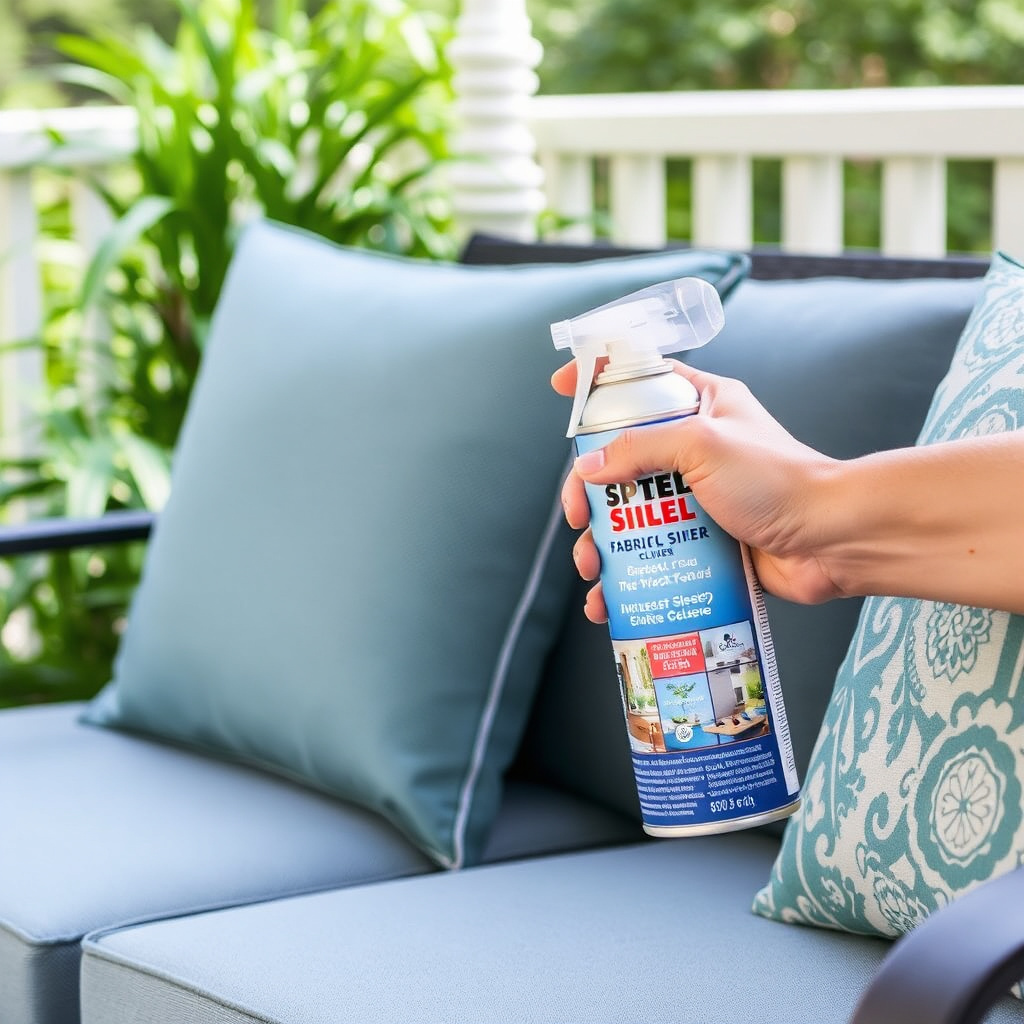
Applying water and stain repellent sprays designed for outdoor fabrics adds a protective shield against spills and dirt. Reapply seasonally after cleaning to maintain effectiveness.
These products help cushions resist water absorption and make future cleaning easier.
- Use fabric protection spray
- Reapply after washing
- Follow product instructions carefully
When to Seek Professional Cleaning or Replacement
Identifying Cushions Beyond Home Cleaning
If cushions have embedded mold, persistent odors, or extensive fabric wear, professional cleaning may be more effective. Professionals use deep-cleaning techniques and specialty products to restore cushions safely.
There is a limit to home methods if damage is severe or fabrics are delicate.
- Mold or mildew covering large areas
- Strong, persistent odors
- Severe fabric deterioration
For more on general care and types of outdoor furniture materials, see this detailed article on outdoor furniture cushion maintenance. outdoor furniture cushion maintenance.
Knowing When Replacement is Necessary
When fabric tearing, foam breakdown, or permanent discoloration occurs, replacement is often the best choice for comfort and appearance. Some cushions come with warranties indicating lifespan limits.
Replacing cushions can often be more cost-effective than repeated deep cleaning for very old or worn-out pieces.
- Rips or tears in fabric
- Lumpy or broken foam padding
- Faded or stained beyond repair
Outdoor Furniture Cushion Cleaning Methods Comparison
Here’s a comparison of common cleaning methods based on effectiveness, ease, and fabric safety.
| Method | Effectiveness | Suitability | Effort Required | Cost |
|---|---|---|---|---|
| Hand Washing | High | Delicate/non-removable covers | Moderate | Low |
| Machine Washing | High | Removable covers | Low | Low |
| Spot Cleaning Only | Moderate | Minor stains/spills | Low | Very Low |
| Professional Cleaning | Very High | Severe stains/mildew | None | High |
| Replacing Cushions | N/A | Worn/damaged cushions | None | High |
Frequently Asked Questions
How often should I wash my outdoor furniture cushions?
Wash outdoor cushions at least twice a year, more often if heavily used or exposed to dust, pollen, and spills. Regular brushing can reduce the need for frequent washing.
Can I use bleach to clean outdoor cushions?
Using bleach is not recommended as it can weaken fabric fibers, cause discoloration, and shorten the lifespan of cushions. Mild detergents and specialized outdoor fabric cleaners work better.
What is the best way to dry outdoor cushions after washing?
Air drying in a sunny, breezy location is best. Ensure cushions are completely dry before storage or reuse to prevent mildew and odors. Avoid high dryer heat which can damage fabrics.
Are all outdoor cushion covers removable for washing?
No, not all outdoor cushion covers are removable. Check manufacturer labels for care instructions. If covers are not removable, clean cushions with gentle hand washing and spot cleaning.
How can I prevent mold and mildew on my outdoor cushions?
Regularly wash cushions, dry them thoroughly after cleaning, store cushions in dry places, and use fabric protectors that repel moisture. Also, brush off dirt weekly to minimize buildup.
Key Takeaways
- Remove loose debris before washing to avoid embedding dirt
- Follow manufacturer care tags for appropriate washing methods
- Dry cushions completely in sunlight to prevent mildew
- Use fabric protectors to keep cushions cleaner longer
Conclusion
Understanding how to wash outdoor furniture cushions properly starts with recognizing the type of fabric and construction. Whether cushions have removable covers or fixed fabrics influences the cleaning approach, from gentle hand washing to machine cycles. Routine maintenance with brushing and spot cleaning keeps cushions fresh and reduces deep cleaning frequency. Proper drying after washing is critical to avoid mold and preserve cushion longevity. These combined steps create a balanced care routine tailored to your specific cushions and outdoor conditions.
For most homeowners, mild detergent hand washing or machine washing removable covers on a gentle cycle with cold water offers effective cleaning without fabric damage. Those with tougher stains may consider targeted spot cleaning using safe, outdoor-friendly solutions or specialized stain removers. When cushions reach a point of heavy mildew, odor problems, or extensive fabric wear, professional cleaning services or outright replacement become practical choices. Using protective sprays further enhances cushion resistance to dirt and moisture, extending the intervals between washes.
After reviewing washing techniques and preventive tips, the practical next step is to evaluate your cushions’ care labels and condition. Start with gentle cleaning and routine maintenance, and consider professional help only if problems persist or fabrics degrade. Regular upkeep will keep your outdoor space comfortable and inviting, with cushions that look good season after season.