How to Get Stickers Off Wood Furniture Without Damaging the Finish
Removing stickers from wood furniture requires a gentle approach that lifts the adhesive without scratching or staining the wood finish. To get stickers off wood furniture, start by softening the adhesive with heat from a hairdryer, then carefully peel the sticker away. Follow up with a mild cleaning solution to remove leftover residue without harming the wood.
Sticker removal matters because harsh chemicals or abrasive tools can damage wood’s protective finish, leading to discoloration or surface roughness. Wood furniture is often a valuable or sentimental investment, so careful methods are necessary to maintain its natural beauty while efficiently eliminating stickers and sticky residue.
This article covers step-by-step techniques, including heat application, natural solvent options, and cleaning tips. You’ll learn how to handle delicate finishes and avoid common pitfalls during sticker removal. We’ll also compare different removal methods and discuss tools that make the process easier, helping you restore your wood furniture safely and quickly.
Preparing Your Wood Furniture Before Sticker Removal
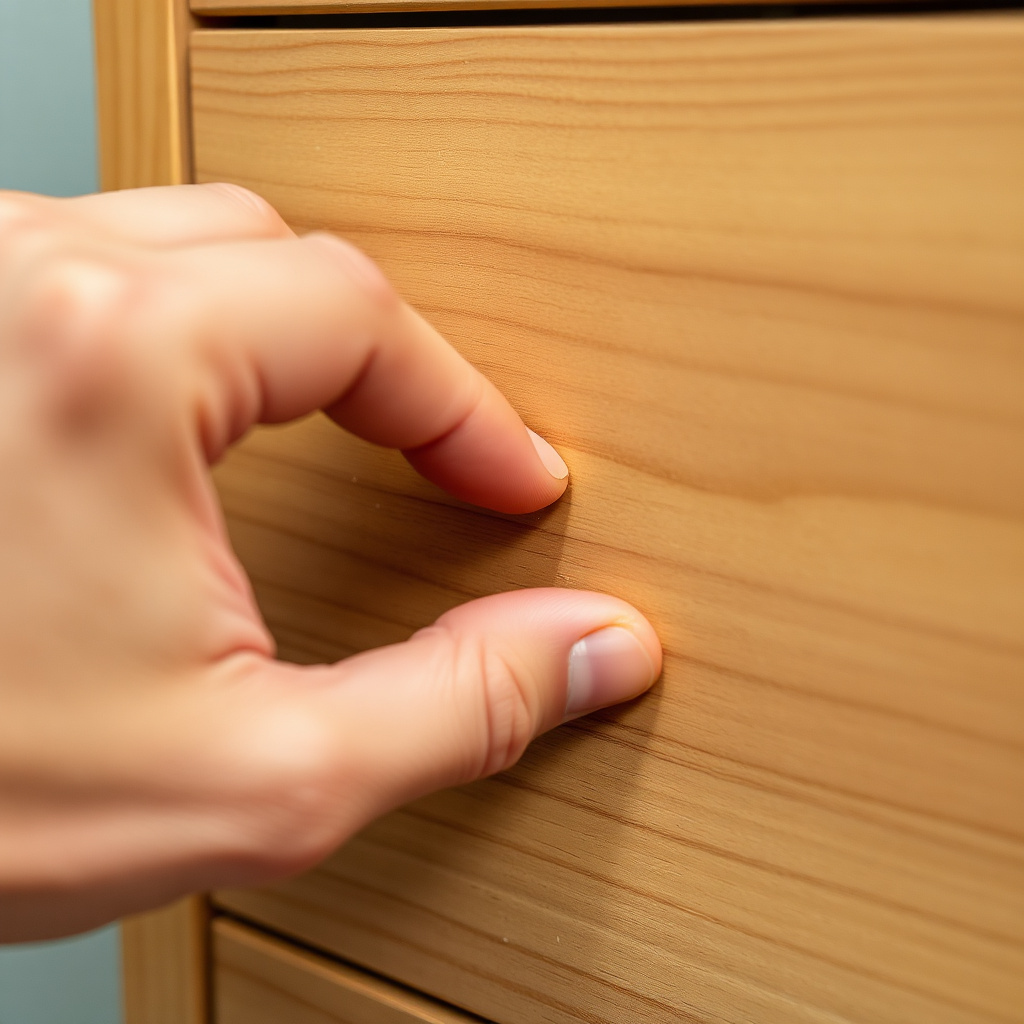
Assessing the Type of Wood Finish
Wood furniture can have various finishes such as varnish, lacquer, shellac, or polyurethane, each responding differently to solvents and heat. Identifying your furniture’s finish helps prevent damage during sticker removal because some finishes absorb liquids or soften under heat.
Test a small, hidden area with the intended removal method before treating the sticker. This precaution lets you confirm that cleaning agents or heat won’t discolor or depressurize the finish.
Gathering the Right Tools and Materials
You’ll need a hairdryer or heat gun on low settings, plastic scraper or credit card, soft cloths, mild soap, and options like rubbing alcohol or vegetable oil. Avoid metal scrapers or harsh chemical solvents that can scratch or strip the surface.
Having all supplies ready improves efficiency and reduces the risk of leaving adhesive to harden again. Soft cloths help protect the wood during cleaning and create smooth, residue-free results.
- Hairdryer or low heat source
- Plastic scraper or old credit card
- Soft microfiber cloths
- Mild dish soap and water
- Rubbing alcohol or vegetable oil
Using Heat to Ease Sticker Removal

Applying Warmth to Loosen Adhesive
Heat softens the glue beneath the sticker, making it easier to peel off without tearing. Hold a hairdryer about 6 inches from the surface on medium heat and move it constantly over the sticker for roughly 30-60 seconds.
Avoid overheating as this can warp or discolor the wood finish. The goal is just to make the adhesive pliable enough for gentle scraping.
Peeling the Sticker Without Damaging Wood
Once warmed, slowly lift the sticker’s edge using a fingernail or plastic scraper. Pull the sticker back at a low angle to minimize finish damage.
If resistance occurs, heat again briefly rather than forcing it. Persistent bits can often be removed later with residue cleaners.
Removing Adhesive Residue from Wood

Natural Oils as Gentle Solvents
Oils such as vegetable oil or coconut oil can break down remaining sticker adhesive naturally without harsh chemicals. Apply a small amount to the residue, let it sit 5-10 minutes, then wipe with a soft cloth.
This method protects the wood finish while effectively dissolving sticky buildup.
- Apply oil directly to residue
- Let it penetrate for several minutes
- Wipe with a soft cloth
- Repeat if necessary
Using Rubbing Alcohol for Stubborn Residue
Rubbing alcohol can remove tougher adhesive spots but should be used sparingly and tested first. Dampen a cloth slightly with alcohol and rub the residue gently.
Avoid soaking the wood and always dry the area immediately after. This solution works well on polyurethane finishes but might dull softer woods.
- Test on hidden finish area
- Use a small amount on a cloth
- Rub residue gently
- Dry wood surface immediately
Cleaning and Protecting the Wood After Sticker Removal

Mild Soap and Water Cleaning
After residue removal, wash the area with mild dish soap diluted in warm water to eliminate any leftover oils or solvents. Use a barely damp cloth to avoid saturating the wood.
Dry the surface thoroughly with a soft towel to prevent water damage or warping.
Applying Wood Polish for Finish Restoration
Following cleaning, apply a quality wood polish or wax to restore luster and rehydrate the surface. Many polishes also provide a protective layer that helps resist future adhesive sticking.
Rub polish in gently with a clean cloth following manufacturer instructions, buffing lightly to an even shine.
Preventing Sticker Damage on Wood Furniture

Using Protective Coverings
To protect wood furniture from future sticker damage, apply transparent protective films or coverings on frequently stickered areas. These are removable and keep finishes pristine underneath.
Such coverings also simplify cleaning and mitigate the need to remove tough adhesives later.
- Clear vinyl films
- Temporary plastic covers
- Removable contact paper
Choosing Sticker Types Wisely
If stickers are necessary, opt for low-adhesive, easy-peel options designed for delicate surfaces. These reduce residue buildup and peel off cleanly without needing special solvent treatments.
Be cautious about long-term sticker placement on wood to prevent finish softening.
Advanced Techniques for Difficult Stickers

Commercial Adhesive Removers
Adhesive removers formulated specifically for wood can tackle the hardest sticker glue but should be used with caution. They often contain chemicals that break down adhesives quickly.
Always read product labels closely and test in hidden areas first to avoid finish damage.
- Use solvent designed for wood surfaces
- Spot test to check reaction
- Follow safety instructions
To learn more about different wood finishes and their properties, visit this detailed resource on wood finishing techniques. wood finishing techniques.
Sanding as a Last Resort
If stickers and residue cannot be removed by any softer method, light sanding may be employed cautiously on unfinished or robust wood. This method risks surface damage and should only be undertaken by those experienced in wood restoration.
Sanding removes adhesive and finish in the process, so refinishing the wood will be necessary afterward.
- Use fine-grit sandpaper
- Sand gently along grain
- Prepare for refinishing post sanding
Sticker Removal Methods for Wood Furniture: Category Comparison
The following table highlights common sticker removal methods with their pros, cons, and ideal wood finish matchups.
| Method | Ease of Use | Effect on Wood Finish | Best For |
|---|---|---|---|
| Heat and Peel | Easy | Safe if controlled | All finishes without direct solvent exposure |
| Natural Oils (vegetable, coconut) | Moderate | Very gentle | Sensitive finishes, minimal residue |
| Rubbing Alcohol | Moderate | Can dull soft finishes | Polyurethane and varnished surfaces |
| Commercial Adhesive Removers | Difficult | Potentially damaging | Durable finishes, tough adhesive |
| Sanding | Difficult | Damaging without refinishing | Unfinished or heavily damaged wood |
Frequently Asked Questions
Can I use nail polish remover to get stickers off wood?
Nail polish remover often contains acetone, which can damage wood finishes by dissolving or dulling them. It’s safer to avoid using nail polish remover on wood and try gentler options first.
How long should I apply heat when removing a sticker?
Applying heat with a hairdryer for about 30 to 60 seconds is usually sufficient to soften the adhesive. Move the heat source constantly to prevent overheating the wood surface.
Will vegetable oil stain my wood furniture?
Vegetable oil is generally safe, but applying too much or leaving it too long can darken certain woods temporarily. Wipe off the oil promptly after adhesive removal and clean the surface with mild soap.
What type of scraper is safest for removing stickers?
Plastic scrapers or old credit cards are safest because they minimize scratching or denting wood finishes compared to metal tools.
Is sanding a recommended method for getting stickers off wood?
Sanding may be used only as a last resort on unfinished wood because it removes both the sticker and part of the wood surface, often requiring refinishing afterward.
Key Takeaways
- Use gentle heat and plastic tools to remove stickers without finish damage
- Natural oils work well to remove adhesive residue safely
- Test solvents like rubbing alcohol on hidden areas first
- Avoid harsh chemicals or sanding unless necessary
Conclusion
Determining how to get stickers off wood furniture hinges on the type of wood finish and adhesive involved. A careful approach that respects the delicate surface layers will save you from costly damage or refinishing. Start with the gentlest methods like warming and peeling, followed by natural oils for residue, stepping up only if needed. Testing in concealed spots helps you avoid surprises.
For most household wood furniture with varnish or polyurethane finishes, heat and peel combined with vegetable oil cleaning offers a safe, reliable solution. If residues persist, rubbing alcohol can be cautiously applied but watch for surface dulling. In cases of heavy gum or tough stickers on durable finishes, commercial adhesive removers may help but require careful handling. Sanding remains the last option strictly for non-delicate, unfinished pieces since it removes wood along with the sticker.
To protect your furniture in the future, consider applying removable clear protective films on sticker-prone areas and choosing low-adhesion stickers. Whether repairing an inherited antique or a modern table, following these tried and tested methods will help maintain your wood’s natural beauty while effectively removing unwanted stickers.