How to Clean White Leather Furniture Without Damaging It
Clean white leather furniture requires gentle techniques that remove dirt and stains without harming the leather’s surface. Using mild solutions and soft cloths is the best way to protect the leather’s finish while restoring its pristine look. Avoid harsh chemicals or abrasive scrubbing when tackling grime on white leather.
White leather furniture is prone to visible stains and discoloration, so knowing how to maintain and clean it delicately extends its lifespan and appearance. Routine care prevents buildup and keeps the leather supple and bright. Understanding leather’s unique needs helps avoid drying or cracking.
This article explores effective cleaning methods specifically for white leather furniture, including daily maintenance tips, stain removal strategies, types of cleaners, conditioning practices, and how to handle tough spots safely. You’ll get practical advice to keep your leather looking fresh without risk of damage.
Daily Maintenance for White Leather Furniture

Regular Dusting and Wiping
Dust and dirt accumulate quickly on white leather, making regular light cleaning essential. Use a clean, dry microfiber cloth to gently wipe down surfaces every few days. This prevents particles from embedding into the leather and dulling its finish.
Avoid using rough materials as they can scratch or abrade the leather. For slightly sticky or greasy spots, a damp cloth with just water can clear light messes without applying harsh cleaners daily.
- Use a soft microfiber cloth
- Gentle circular motions
- Avoid excessive moisture
Protecting Leather from Spills
Act quickly to blot any spills using a dry cloth or paper towel. Do not rub, as that pushes liquid deeper and may spread stains across the leather’s surface. Blotting helps absorb moisture before it soaks in.
Consider using leather protection sprays designed for white leather to add a barrier against future stains. Test any product on a small hidden area first to check for color changes.
- Blot spills immediately
- Avoid rubbing
- Use leather protectant sprays cautiously
Choosing the Best Leather Cleaner for Furniture

Types of Cleaners Safe for White Leather
Leather cleaners come in many forms including sprays, creams, and wipes, but not all are suitable for white leather. pH-balanced, alcohol-free cleaners specifically formulated for leather preserve its integrity and prevent discoloration.
Avoid ammonia-based or bleach-containing cleaners as these can strip color and dry out the leather. Products containing natural oils can also help maintain suppleness while cleaning.
- Look for pH-balanced formulas
- Avoid harsh chemicals
- Prefer natural oil-enriched cleaners
DIY Solutions for Gentle Cleaning
Mild homemade cleaners like a mix of water and a small amount of gentle soap (e.g., Castile) can be effective if used sparingly. Always test on a hidden patch before wider use to avoid unexpected staining.
Diluted white vinegar solutions offer antibacterial properties and may remove mild stains, but should be used with extreme caution due to vinegar’s acidity potentially affecting leather finish.
- Water and mild soap mix
- Diluted white vinegar (test first)
- Use minimal amounts
Effective Stain Removal Techniques
Removing Oil and Grease Stains
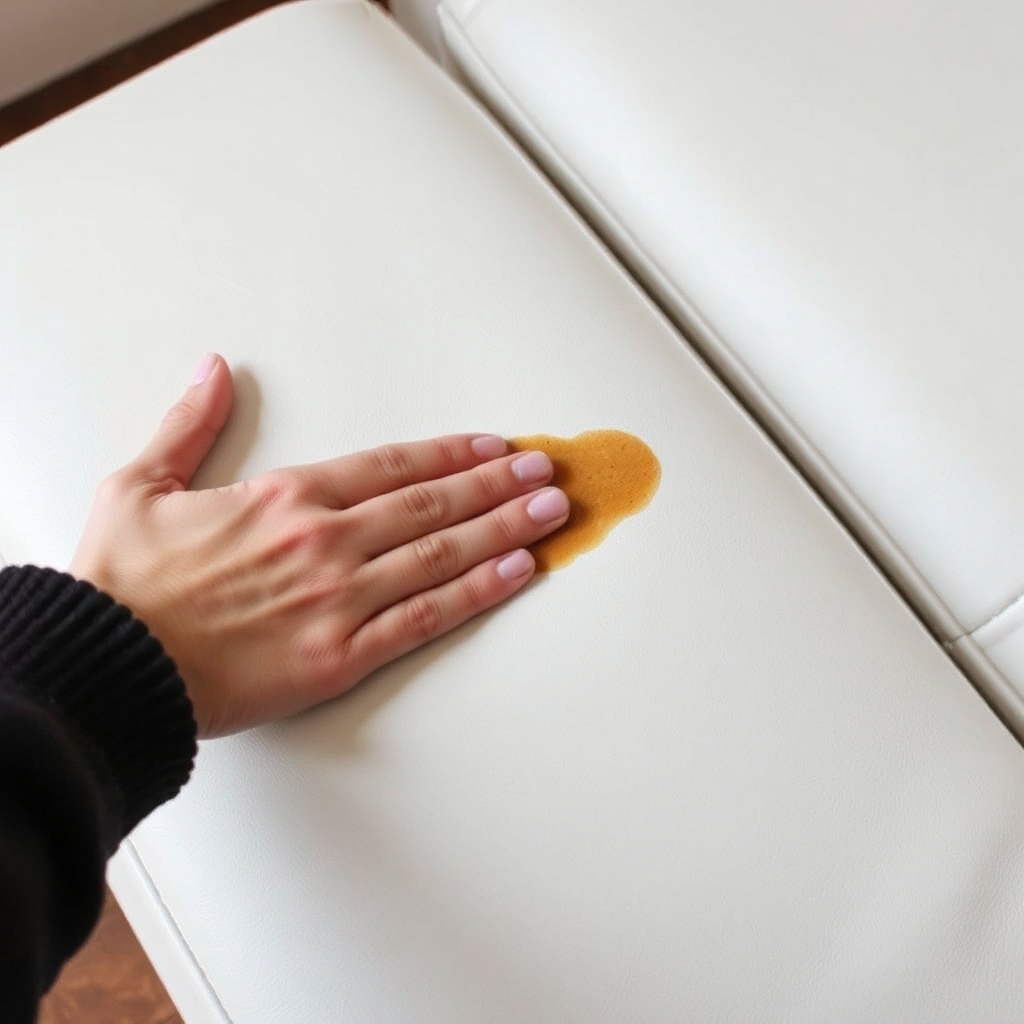
Oil and grease can leave lasting marks on white leather if untreated. Sprinkle cornstarch or baking soda on the spot to absorb oils. Leave it for several hours, then brush off gently before wiping with a damp cloth.
Repeat the process if necessary and avoid using excessive water that can spread the stain or saturate the leather.
- Use cornstarch or baking soda
- Allow absorption time
- Gently brush off residue
For more on this, see our related guide: How Do You Buy Furniture in 7 Easy Steps.
Cleaning Ink and Dye Marks
Ink stains are challenging on white leather but not impossible to reduce. Apply a small amount of leather cleaner or rubbing alcohol on a cotton swab, gently dabbing the area without rubbing.
If the stain persists, professional leather cleaning services may be required to avoid damaging the leather’s surface.
- Use leather cleaner or rubbing alcohol
- Dab gently, don’t rub
- Seek professional help for persistent stains
Conditioning and Maintaining Leather Softness

Benefits of Conditioning White Leather
Applying leather conditioner replenishes natural oils lost during cleaning and daily use, preventing the leather from drying, cracking, or becoming brittle. Conditioning also helps maintain the leather’s smooth texture and color.
Use conditioners specifically formulated for white leather to avoid discoloration, and apply them every 6 to 12 months depending on use and climate conditions.
- Prevents drying and cracking
- Maintains texture and color
- Condition every 6–12 months
How to Apply Leather Conditioner Properly
Clean the leather surface thoroughly before conditioning to remove dirt and residues. Use a soft cloth to apply conditioner in thin, even layers, allowing it to absorb fully before buffing with a dry cloth for a subtle shine.
Avoid over-conditioning as it can cause leather to become sticky or attract dirt more easily.
- Clean before conditioning
- Use thin, even layers
- Buff gently after absorption
Preventing Damage During Cleaning
Avoiding Common Mistakes
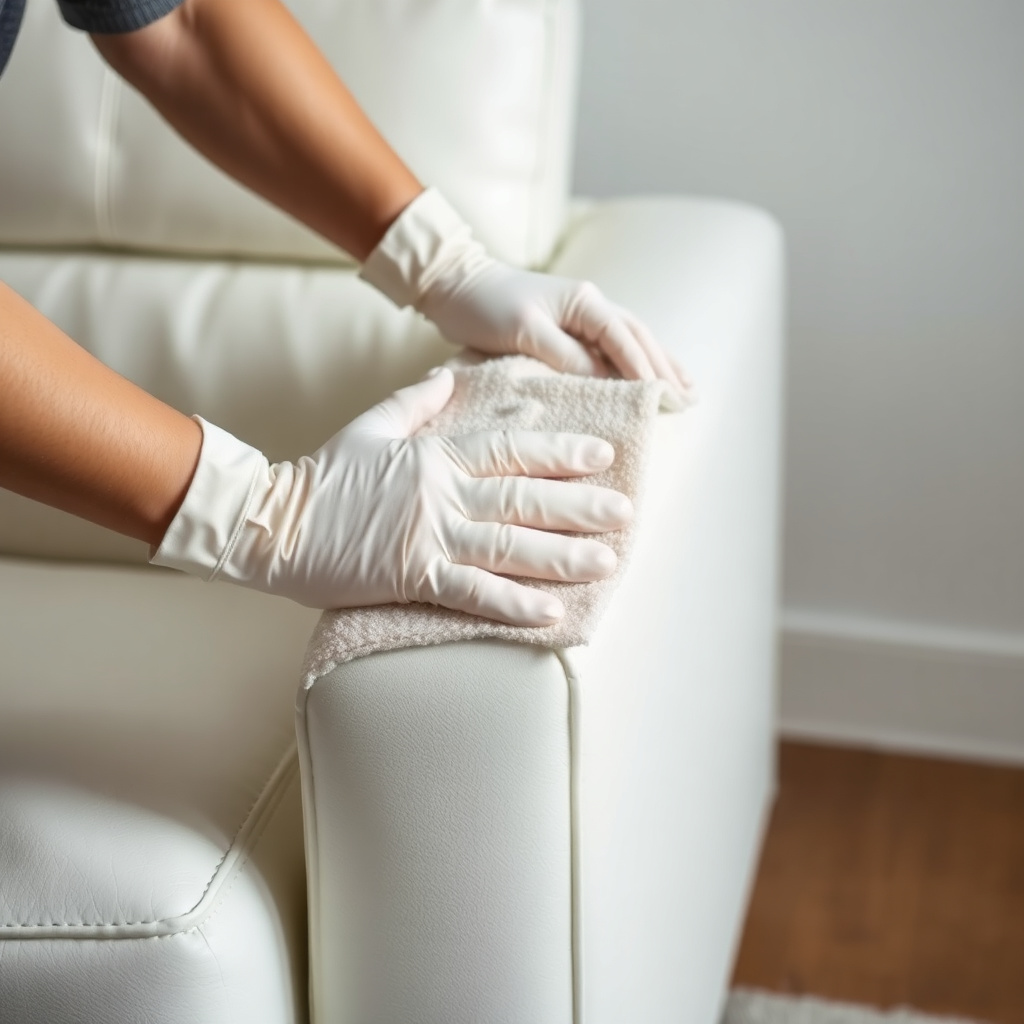
Using abrasive brushes or scrubbing hard will scratch the delicate surface of white leather. Never apply cleaning solutions directly onto the furniture; instead, apply them on a cloth first to control dampness and prevent over-wetting.
Steer clear of household cleaners like bleach, ammonia, or detergents designed for other materials—they can cause irreparable damage or discoloration.
- No abrasive tools
- Apply cleaner to cloth, not directly
- Avoid harsh household chemicals
For more on this, see our related guide: How Much Does a Nice Couch Cost at 3 Price Points.
Testing Cleaners Before Use
Always perform a patch test on a hidden area before applying any cleaner or conditioner broadly. This step helps catch adverse reactions such as discoloration or texture changes.
Wait at least 24 hours after testing to observe any changes before proceeding.
- Patch test on hidden spot
- Observe for 24 hours
- Repeat cautious testing with new products
Long-Term Care and Storage Tips

Protecting from Sunlight and Heat
Prolonged exposure to direct sunlight or heat sources fades and dries out white leather furniture, leading to cracks or stiffness. Position pieces away from windows or heating vents to preserve color and texture.
Using window treatments like sheer curtains can diffuse sunlight and reduce damage caused by UV rays.
- Avoid direct sunlight
- Keep away from heaters and radiators
- Use window coverings to filter light
For more detailed information on leather types and care, consult this leather care guidance. leather care guidance.
Proper Storage for Off-Season Periods
When storing white leather furniture for extended periods, cover it with breathable cloth sheets instead of plastic to prevent moisture buildup. Store in a climate-controlled area with moderate temperature and humidity.
Regularly air out stored pieces and inspect for mold or mildew to maintain their condition.
- Use breathable covers
- Keep in climate-controlled space
- Inspect periodically for mold
White Leather Furniture Cleaning Methods Comparison
A quick overview of popular cleaning methods for white leather furniture, including their effectiveness, risks, and recommended uses.
| Cleaning Method | Effectiveness | Risk to Leather | Recommended For |
|---|---|---|---|
| Microfiber Cloth and Water | Moderate for light dirt | Very low | Daily maintenance |
| pH-Balanced Leather Cleaner | High for general cleaning | Low | Regular cleaning |
| Homemade Mild Soap Solution | Moderate for mild stains | Moderate | Occasional use with testing |
| Rubbing Alcohol Spot Treatment | High for ink stains | Moderate to high | Small spot stain removal |
| Professional Leather Cleaning | Very high for tough stains | Minimal | Severe or set-in stains |
Frequently Asked Questions
Can I use regular household cleaners on white leather furniture?
No, regular household cleaners often contain harsh chemicals like ammonia or bleach that can damage leather, causing discoloration and dryness. It’s best to use products specially formulated for leather.
How often should I condition white leather furniture?
Condition white leather furniture every 6 to 12 months depending on usage and climate. Conditioning helps replenish oils to keep the leather supple and prevents cracking and drying.
Is it safe to use water to clean white leather?
Yes, but only in small amounts with a soft cloth and gentle wiping motions. Excess water can soak in and damage leather, so avoid soaking or scrubbing with water.
What should I do if a stain won’t come off?
If a stain resists gentle cleaning methods, it’s best to seek professional leather cleaning services to avoid further damage and restore your furniture safely.
How can I prevent stains on white leather furniture?
Immediate blotting of spills, regular dusting, and applying leather protectant sprays designed for white leather can help guard against stains and keep your furniture looking new.
Key Takeaways
- Use mild, leather-specific cleaners to protect white leather surfaces.
- Regular dusting and immediate spill blotting prevent tough stains.
- Condition leather at least twice a year to maintain softness.
- Test any new cleaning product on a hidden area first.
Conclusion
Choosing how to clean white leather furniture revolves around balancing effective dirt removal with preserving the delicate surface. Starting with gentle methods such as microfiber cloth wiping and using specialized pH-balanced leather cleaners allows you to maintain the pristine appearance without undue risk. Stubborn stains require carefully selected treatments or professional help to avoid worsening damage. Consistent upkeep – including conditioning – plays just as important a role as cleaning in prolonging leather’s life and aesthetic appeal.
For general upkeep, a routine involving dusting, quick spill response, and occasional cleaning with a leather cleaner paired with proper conditioning is sufficient. If you face specific issues such as oil spots or ink marks, products like cornstarch or specialized spot treatments work well. In more severe cases, professional leather cleaning services are the safest bet. Incorporating leather protectants can add a valuable protective layer against future staining, especially for furniture in active households or bright spaces.
Start by establishing a simple daily maintenance habit and protect your investment with periodic conditioning. When deeper cleaning is needed, select the best leather cleaner for furniture that matches your white leather’s sensitivity to keep it looking fresh and intact. By handling your white leather with care and knowledge, you preserve both its beauty and comfort for years to come.