How to Clean Vintage Wood Furniture Without Damaging Its Charm
Cleaning vintage wood furniture requires a delicate approach to avoid damaging its aged finish and character. The best strategy involves gentle dusting, using mild cleaning solutions, and carefully restoring natural oils to maintain its warmth and shine. How to Clean Vintage Wood Furniture.
Vintage wood pieces are often fragile due to decades of wear, exposure, and the delicate finishes applied by hand. Proper cleaning not only improves their appearance but also protects the wood from drying out, cracking, or losing its patina, which contributes to its historical value.
This article covers safe cleaning steps from dusting to polishing, explains different types of finishes commonly found on vintage wood, and offers troubleshooting tips for stains and buildup so you can confidently care for your treasured furniture.
Understanding Your Vintage Wood Furniture Finish

Common Finish Types on Vintage Wood
Vintage wood furniture typically features finishes like shellac, lacquer, varnish, or wax. Each finish reacts differently to cleaning agents and mechanical cleaning methods, so identifying the finish is vital before starting any cleaning process.
Shellac can dissolve in alcohol-based cleaners, varnish is more durable but can be hazy after strong cleaners, and wax finishes require gentle buffing rather than liquid cleaners.
Testing Finish Compatibility
Before applying any cleaner, test it in an inconspicuous area to check for adverse effects such as discoloration, cloudiness, or finish lifting. Use a soft cotton swab to apply your chosen cleaner and wait a few minutes for results.
This step helps protect the furniture’s integrity, as damage to antique finishes can be difficult or costly to repair.
Step-by-Step Guide on How to Clean Vintage Wood Furniture

Dusting and Removing Surface Dirt
Start by removing loose dust with a soft brush or microfiber cloth. Avoid feather dusters since they can rub dust particles into the wood surface or snag on carvings.
Use gentle, circular motions to lift dust without scratching the finish. For crevices, a soft toothbrush can be effective.
- Use microfiber or lint-free cloth
- Avoid abrasive tools
- Work in small sections
Applying Mild Cleaning Solutions
Mix a small amount of mild dish soap with warm water for a gentle cleaning solution. Dampen a cloth lightly—never soak the wood—and wipe the surface to remove grime.
Immediately follow with a dry cloth to prevent moisture absorption, which could damage vintage wood over time.
- Diluted soap solution
- Avoid harsh chemicals
- Use minimal water
Addressing Stubborn Stains and Build-Up

Natural Oils for Restoring Wood Luster
Applying small amounts of natural oils like lemon oil or boiled linseed oil can revive the wood’s sheen and fill in minor scratches. Apply sparingly with a soft cloth and buff gently to avoid a sticky residue.
These oils also protect the wood by replenishing moisture lost over years, but applying too much can attract dust or create a film.
- Use sparingly
- Buff after application
- Choose appropriate natural oils
For more on this, see our related guide: 10 Tips to Choose Furniture for Your Living Room.
Using Commercial Wood Cleaners Safely
If natural methods are insufficient, select commercial cleaners designed for antique wood. Avoid products with ammonia or silicone, as these can degrade finishes.
Apply to a small area first, then proceed with gentle wiping and buffing to restore the wood’s appearance without stripping the finish.
Polishing and Protecting Vintage Wood Furniture
Choosing the Right Polish
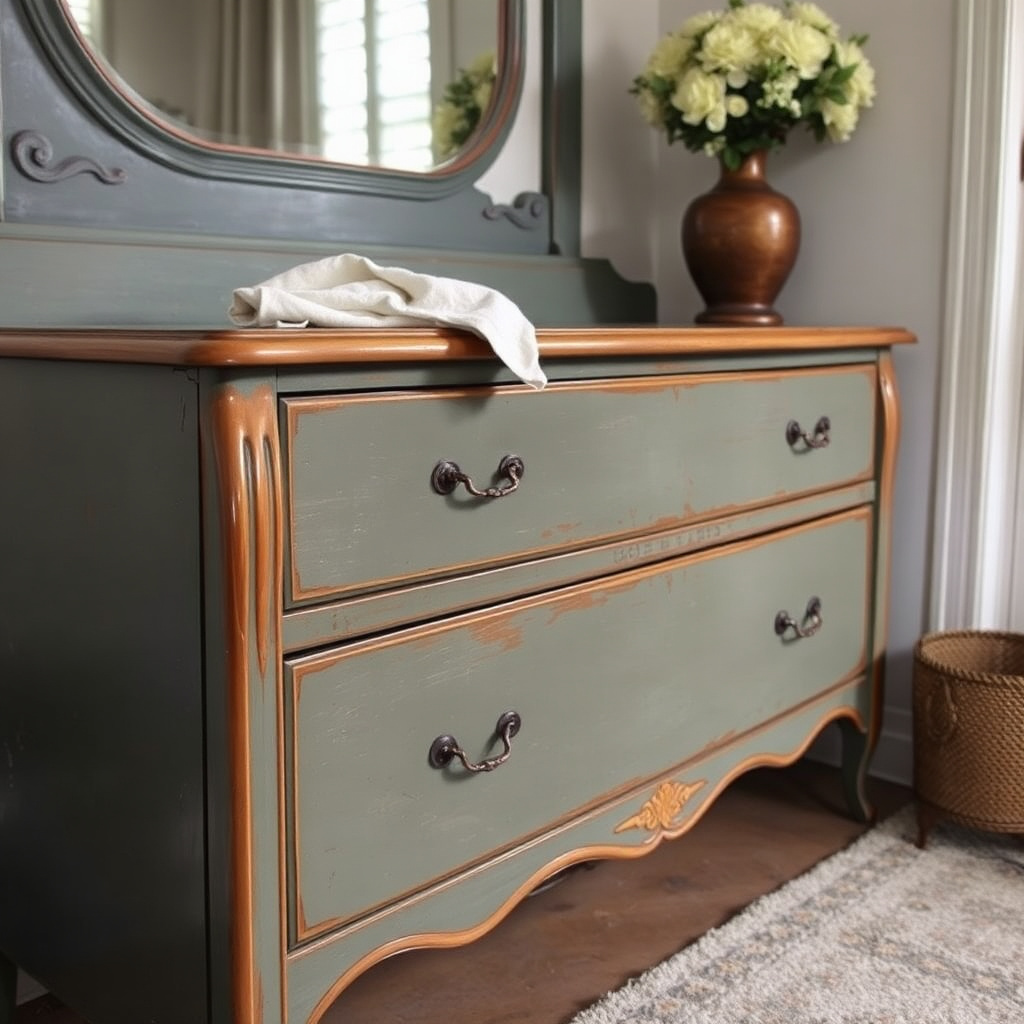
Furniture polishes vary from wax-based to silicone-free formulations. Wax polishes enhance depth and warmth, but frequent application can build up and dull the finish.
Silicone-free polishes offer surface shine without buildup, but don’t add nourishment, requiring occasional oiling to keep wood healthy.
Applying Polish and Buffing
Apply polish sparingly in thin layers using a lint-free cloth. Work the polish in following the grain of the wood and buff thoroughly to a soft sheen.
Regular but moderate polishing helps shield the wood from moisture and dust while preserving the furniture’s vintage aesthetic.
- Apply thin layers
- Buff with a soft cloth
- Polish following wood grain
Long-Term Maintenance for Vintage Wood Furniture
Controlling Environmental Factors
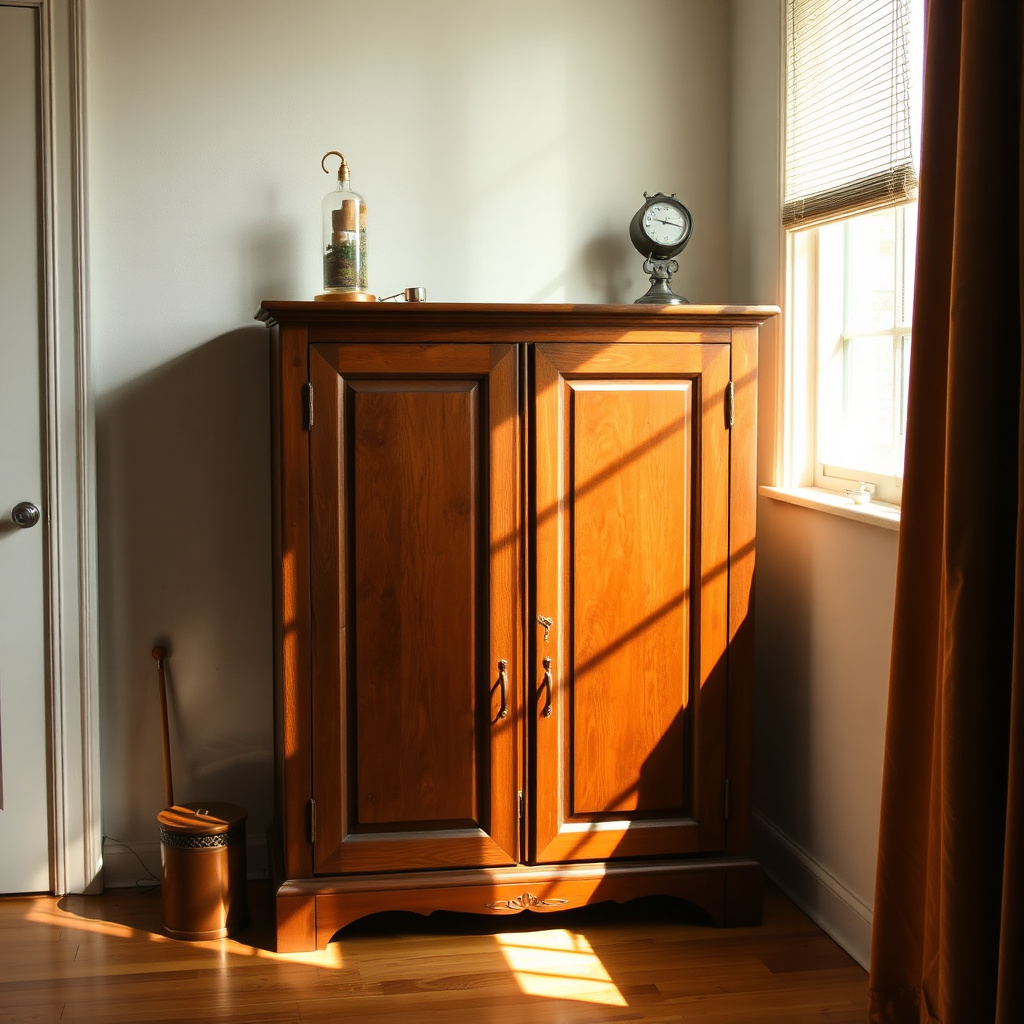
Wood furniture is sensitive to changes in temperature and humidity. Keep pieces away from direct sunlight, heaters, or damp areas to prevent warping and finish degradation.
Using a humidifier or dehumidifier can help maintain stable moisture levels, protecting the wood over time.
- Avoid direct sunlight
- Maintain stable humidity
- Keep away from heat sources
For more on this, see our related guide: 10 Best Wood End Tables for Living Room.
Regular Cleaning Schedule
Dust furniture weekly and perform gentle polishing a few times per year. This routine helps preserve the wood’s appearance and prevents accumulation of grime that can harm finishes.
Adjust the frequency depending on the environment and usage to keep vintage wood furniture looking its best.
When to Seek Professional Restoration

Signs You Need Expert Help
If your vintage wood furniture has deep cracks, missing veneer, or extensive finish loss, professional restoration is safer than DIY cleaning to avoid further damage.
Restorers can also handle complex problems like water damage, insect infestations, or structural instability which go beyond basic cleaning.
- Cracks or splits
- Peeling or flaking finish
- Structural damage
For a detailed overview of antique furniture types and their care requirements, the Wikipedia article on antique furniture provides valuable background information. vintage wood furniture care.
Finding a Skilled Furniture Restorer
Look for restorers specializing in antiques who understand older finishes and traditional materials. Reviews, certifications, and portfolio examples are useful in evaluating qualifications.
A consultation before any work ensures restoration aligns with your expectations and the piece’s preservation needs.
Comparison of Popular Vintage Wood Furniture Cleaning Methods
This table compares different cleaning techniques to help you choose the best approach for your vintage wood furniture based on effectiveness and safety.
| Method | Effectiveness | Safety for Finishes | Ease of Use |
|---|---|---|---|
| Dusting with microfiber cloth | Moderate | Very safe | Very easy |
| Mild soap and water | High | Safe if not overused | Moderately easy |
| Natural oils (lemon or linseed) | High | Safe when applied sparingly | Moderate |
| Commercial wood cleaner | High | Varies; test needed | Moderate |
| Wax polishing | Moderate | Safe but can build up | Moderate |
| Professional restoration cleaning | Very high | Safest for damaged pieces | Needs expert |
Frequently Asked Questions
Can I use vinegar to clean vintage wood furniture?
Vinegar is acidic and can damage delicate vintage finishes, so it’s best avoided. Stick to mild soap solutions or specialized wood cleaners instead.
How often should I polish vintage wood furniture?
Polishing two to three times per year is usually sufficient to maintain the finish and protect the wood without causing buildup.
Is furniture oil the same as polish?
No, oils nourish and restore moisture to wood, while polishes primarily add shine and a protective layer; both serve different but complementary purposes.
Can I clean vintage wood furniture with water?
Water should be used sparingly and with mild soap to avoid soaking the wood, which can cause swelling and damage to finishes.
What if my vintage furniture has sticky residue?
Sticky residue often comes from old wax or polish layers. Use a soft cloth with a small amount of mineral spirits for gentle removal, testing first in an inconspicuous area.
Key Takeaways
- Identify the furniture’s finish before cleaning to avoid damage.
- Use gentle, mild cleaners and avoid excessive moisture.
- Natural oils help restore luster but apply sparingly.
- Regular dusting and moderate polishing preserve vintage wood.
Conclusion
Approaching vintage wood furniture cleaning with care and knowledge is essential to preserve the piece’s character and longevity. Recognizing the type of finish and its condition guides the choice of appropriate cleaning methods that protect rather than harm. Balancing cleaning frequency with gentle products prevents undoing decades of craftsmanship and natural aging.
For routine maintenance, starting with the best wood furniture cleaning methods such as dusting and mild soap solutions will keep surfaces fresh without risk. Natural oils and careful polishing enhance the wood’s appearance when applied thoughtfully. If the piece shows signs of wear beyond cleaning, professional restoration can address structural or finish damages safely.
Taking these steps helps you enjoy your vintage wood furniture’s charm for years to come. Begin with testing cleaners on hidden spots, commit to a gentle cleaning schedule, and seek expertise when needed. With patience and the right techniques, your treasured pieces will remain beautiful family heirlooms.