How to Deter Cats from Scratching Furniture Effectively
Stopping cats from scratching furniture requires a combination of deterrents and providing attractive alternatives. Cats scratch instinctively to mark territory, sharpen claws, and stretch muscles. To deter this behavior, you can use physical barriers, unpleasant textures, or scents they dislike, while offering proper scratching posts or pads. How to Deter Cats from Scratching Furniture.
Understanding why cats scratch helps in finding humane ways to protect your furniture. Since scratching is natural, simply punishing your pet won’t work long-term. Instead, changing their environment and habits encourages them to use designated areas and leaves your furniture safe.
This article covers a variety of methods to deter cats from scratching furniture, including behavioral techniques, protective covers, and training tips. It also compares different deterrent products and explores options for redirecting your cat’s scratching behavior to appropriate items.
Understanding Why Cats Scratch Furniture
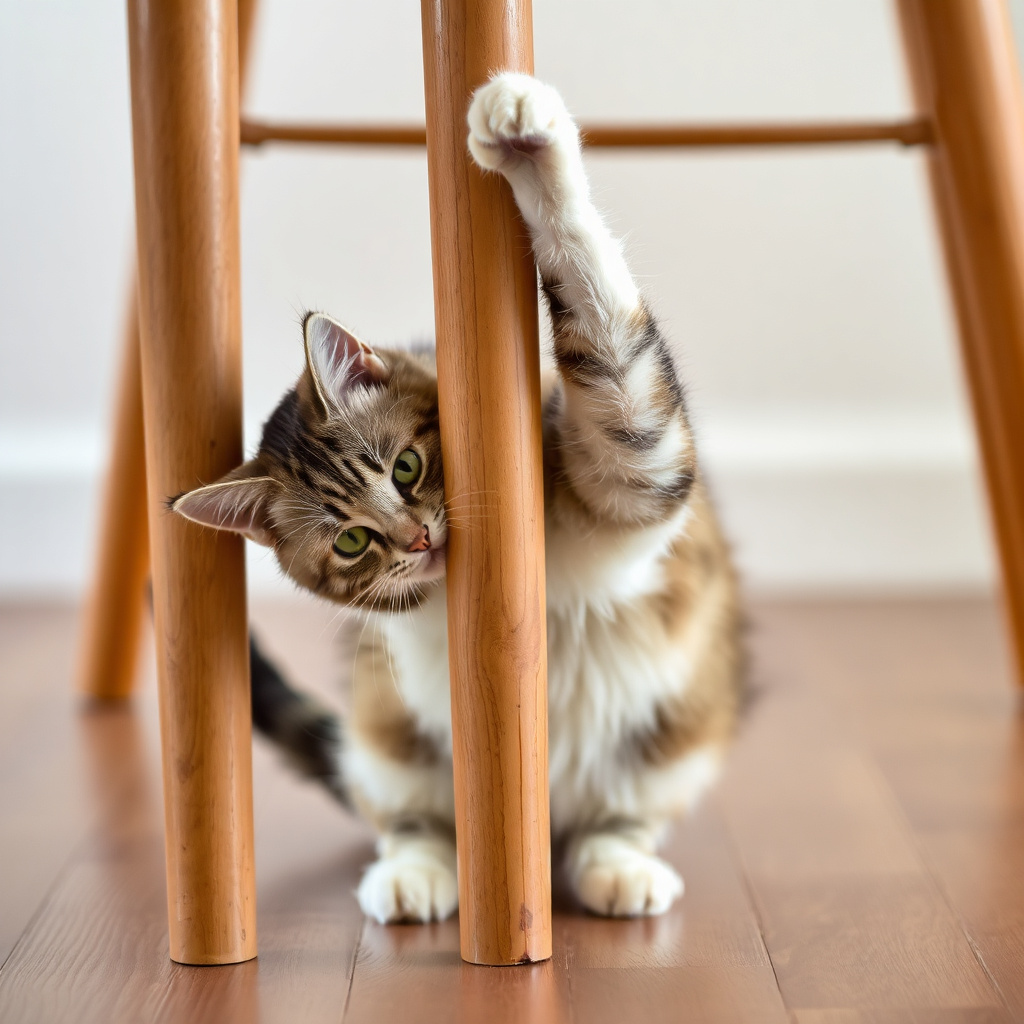
The Natural Instinct Behind Scratching
Cats scratch to shed the outer layers of their claws and keep them sharp. This behavior is deeply rooted in their instincts, serving purposes like marking territory through scent glands in their paws.
Scratching also gives cats a good stretch, helping strengthen their back, shoulder, and forelimb muscles. This makes it a necessary physical activity rather than just a destructive behavior.
Common Triggers That Lead Cats to Scratch Furniture
Environmental factors like boredom, stress, or lack of stimulation can increase scratching behavior directed at furniture. Cats often scratch to relieve anxiety or when they feel insecure about their space.
New furniture or unfamiliar homes can provoke cats to mark surfaces more frequently. Also, certain textures attract cats more, making sofas and upholstered chairs prime targets.
Physical Deterrents to Protect Your Furniture

Using Furniture Covers and Protective Films
Plastic furniture covers or double-sided sticky tapes applied to the edges and arms of sofas and chairs make surfaces unattractive to cats. Cats dislike sticky textures and often avoid areas where this is present.
Clear vinyl films can protect wood or fabric surfaces without altering the room’s appearance. These are practical as temporary solutions during training periods.
- Double-sided sticky tape
- Clear vinyl furniture protectors
- Plastic slipcovers
Repellent Sprays and Scent-Based Deterrents
Commercial cat repellent sprays contain odors cats dislike, such as citrus or certain herbal extracts, and can be applied to vulnerable furniture surfaces.
Natural deterrents like diluted vinegar or essential oils (used cautiously) can discourage cats from scratching specific spots, although always ensure they’re safe for feline use.
- Commercial citrus spray
- Homemade vinegar spray
- Essential oils like lavender (used carefully)
Training and Behavioral Approaches to Change Scratching Habits

Redirecting Scratching to Suitable Alternatives
Introducing scratching posts, pads, or boards near frequently targeted furniture encourages cats to focus their scratching elsewhere. Use different materials like sisal, carpet, or cardboard to find what appeals to your cat.
Placing catnip or toys on the scratching posts can attract cats and reward them with playtime, reinforcing positive behavior without punishment.
- Varied scratching post textures
- Adding catnip to posts
- Interactive scratching toys
Consistent Training Techniques for Long-Term Success
Use gentle deterrents combined with immediate redirection toward scratching alternatives. Avoid yelling or physical punishment which can cause fear and worsen behavior.
Regularly trim your cat’s nails to reduce damage and provide consistent praise or treats when they use appropriate scratching posts to build good habits.
- Nail trimming schedule
- Positive reinforcement with treats
- Consistent redirection
Types of Cat Scratch Deterrents on the Market

Electric and Motion-Activated Deterrents
Some devices emit a harmless static pulse or a sudden noise when the cat approaches furniture, discouraging scratching by association with a negative stimulus.
Motion-activated deterrents require careful placement and monitoring to avoid distressing pets excessively and work best for determined scratchers.
- Static pulse mats
- Ultrasonic sound devices
Textured and Physical Barriers
Plastic spikes or mats with nubby textures placed on furniture surfaces make scratching uncomfortable without harming the cat, redirecting their behavior gently.
These barriers are ideal for specific areas rather than whole rooms and are often paired with training methods.
- Nubby plastic mats
- Plastic nail covers for cats
Maintaining Your Cat’s Well-being While Protecting Furniture
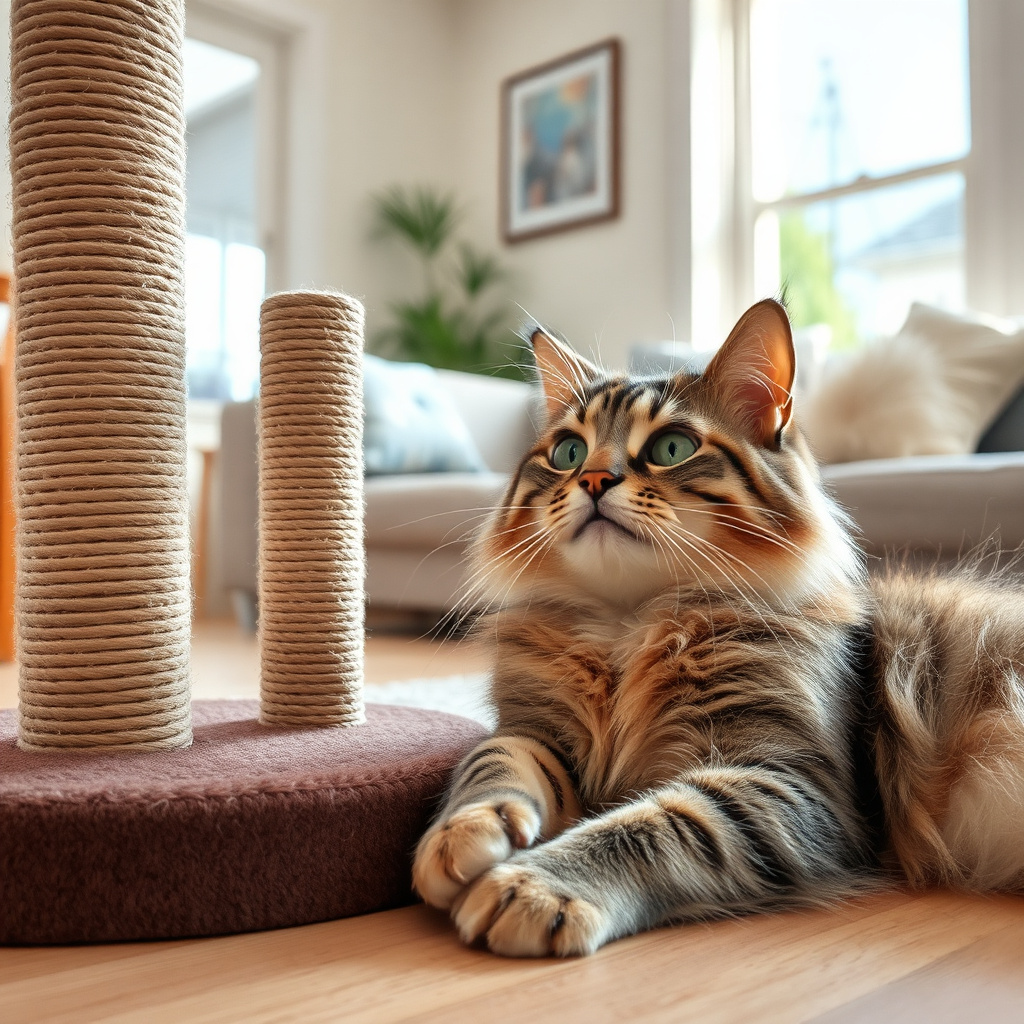
Providing Enrichment to Reduce Stress and Boredom
Active playtime and mental stimulation reduce the likelihood that cats will scratch from boredom or anxiety. Puzzle feeders, wand toys, and climbing structures keep cats engaged.
Environmental enrichment targets the root causes of the unwanted behavior, making furniture less of a focus for scratching.
- Interactive toys
- Cat trees and shelves
- Scheduled play sessions
Regular Care and Attention to Your Cat’s Needs
Routine nail trimming and grooming keep cats comfortable and reduce the urge to scratch intensely. Regular vet checkups ensure there are no underlying health issues contributing to excessive scratching.
Spending quality time with your cat strengthens your bond and makes behavior modifications easier to implement and sustain.
- Weekly nail trims
- Routine veterinary visits
- Daily affection and interaction
How to Choose the Best Cat Scratch Deterrents

Matching Deterrent Types to Your Furniture and Cat’s Behavior
Consider whether your furniture materials respond better to physical covers or scent repellents. Cats with high energy and strong scratching instincts may need more robust deterrents or training.
Pet safety and comfort should be the priority; choose humane deterrents that do not cause distress or injury.
- Assess furniture material sensitivity
- Evaluate cat scratching intensity
For more insight into why cats scratch and other common behaviors, visit this detailed article about cat behavior on Wikipedia. cat behavior on Wikipedia.
Balancing Effectiveness and Impact on Your Cat’s Life
Effective deterrents also respect your cat’s need to scratch somewhere. Providing alternatives alongside deterrents prevents frustration and maintains well-being.
Consider ease of application and maintenance of deterrents to ensure long-term success and a happy household.
- Use deterrents with scratching alternatives
- Choose low-maintenance options
Comparison of Cat Scratch Deterrent Categories
Here is a comparison of popular cat scratch deterrent types, outlining their pros, cons, and ideal uses for protecting furniture.
| Category | Effectiveness | Ease of Use | Cat Friendliness | Best For |
|---|---|---|---|---|
| Furniture Covers & Tapes | High | Easy to apply | Very friendly | Initial training periods |
| Repellent Sprays | Medium | Requires frequent reapplication | Moderately friendly | Furniture with fabrics |
| Electric Deterrents | High | Needs setup and monitoring | May cause stress | Persistent scratchers |
| Textured Barriers | Medium | Simple to place | Friendly | Targeted furniture spots |
| Training & Alternatives | Varies | Requires patience | Very friendly | Long-term behavior change |
Frequently Asked Questions
Can I train my cat to stop scratching furniture completely?
While you cannot eliminate the natural urge to scratch, consistent training combined with suitable alternatives can redirect scratching to appropriate items, significantly reducing furniture damage.
Are there safe sprays to keep cats off furniture?
Yes, many commercial sprays use scents like citrus or herbal extracts that cats dislike but are safe when used properly on furniture surfaces.
Is it harmful to use double-sided sticky tape on furniture?
No, sticky tape is safe for cats and serves as an unpleasant texture they typically avoid, making it a popular non-toxic deterrent.
How often should I trim my cat’s nails to reduce scratching?
Trimming your cat’s nails every one to two weeks helps minimize damage from scratching and keeps claws healthy.
Will cats stop scratching if they have enough toys and posts?
Providing appealing scratching alternatives usually reduces unwanted scratching but some cats may still target furniture without additional deterrents or training.
Key Takeaways
- Cats scratch due to natural instincts and physical needs.
- Combining deterrents with scratching alternatives yields best results.
- Physical barriers and sprays effectively protect furniture during training.
- Positive reinforcement and patience help establish lasting habits.
Conclusion
Approaching the challenge of how to deter cats from scratching furniture requires understanding both your cat’s instincts and your home environment. By combining treatments like covers, sprays, and behavioral training, you can protect your furniture without compromising your cat’s comfort or expression of natural behaviors. A patient, consistent strategy is necessary to change habits effectively and peacefully.
For cat owners with persistent scratchers, investing in sturdy furniture covers or exploring electric or textured deterrents might be necessary. Using the best cat scratch deterrents such as well-placed scratching posts infused with catnip can redirect scratching with minimal stress. Simpler solutions like double-sided tape and natural sprays help with lighter scratching behaviors or as part of a broader behavioral plan.
Start by identifying where your cat scratches most and select a suitable deterrent from the options discussed. Simultaneously, provide inviting scratching alternatives to encourage the new behavior. With time and care, your furniture and your cat’s natural instincts can peacefully coexist, keeping your home comfortable for everyone.