How to Get Smell Out of Furniture: Effective Methods That Work
Getting rid of unpleasant smells in furniture requires targeted cleaning and deodorizing methods tailored to the material and odor source. To get smell out of furniture, start by identifying the cause—whether it’s smoking, pets, food spills, or mildew—and then apply appropriate treatments like vacuuming, baking soda, or enzyme cleaners to neutralize odors. How to Get Smell Out of Furniture.
Ignoring lingering odors can make your living space uncomfortable and even affect your health. Furniture absorbs smells deeply into fabrics, cushions, and wood, so surface cleaning alone often isn’t enough. Periodic deodorizing not only refreshes your furniture but also prolongs its lifespan.
This article will walk through practical steps to remove odors from different types of furniture, discuss natural and commercial deodorizing agents, examine cleaning techniques for various materials, and offer tips on preventing future smells. By following these detailed approaches, you can restore freshness to your home furnishings.
Understanding Furniture Odors and Their Causes

Common Sources of Furniture Odors
Furniture odors usually stem from sources like pet accidents, cigarette smoke, food spills, mold, and accumulated dirt. Smoke and pet smells tend to penetrate deeply, especially in porous fabrics and cushions, while mold thrives in damp upholstery or wooden frames.
Identifying the root cause helps select the proper treatment. For example, smoke requires more powerful air purifiers and deep cleaning, while food odors might respond well to enzymatic cleaners that break down organic residues.
How Different Materials Trap Smells
Fabric sofas and mattresses easily absorb odors because fibers trap microscopic particles. Leather can hold stale odors but typically cleans faster due to its less porous surface. Wooden furniture soaks in moisture and smells, especially if finished improperly or exposed to damp environments.
Understanding how materials capture smell guides your removal efforts. For instance, fabric benefits more from deodorizing powders and steam cleaning, while wood might require specialized sealants or polishing.
Immediate Steps to Get Smell Out of Furniture

Ventilation and Surface Cleaning
First, move the furniture outdoors or near open windows to air it out. Fresh air helps dissipate volatile odor molecules trapped in fabric and cushions. While airing, remove all detachable covers and wash them separately according to the manufacturer’s instructions.
Vacuuming upholstery with a nozzle attachment removes embedded dust, hair, and particles that contribute to odors. For hard surfaces, wipe down with a damp cloth and mild detergent, then dry thoroughly to prevent mold growth.
- Open windows or go outside
- Remove detachable covers and wash
- Vacuum upholstery thoroughly
- Wipe hard surfaces with mild detergent
For more on this, see our related guide: Why Linen Sheets Are Worth the Investment.
Using Baking Soda as a Natural Deodorizer
Sprinkle a generous layer of baking soda over fabric furniture and mattress surfaces. Baking soda absorbs moisture and neutralizes acidic odor molecules within hours. Let it sit for at least a few hours—overnight is best—before vacuuming it off completely.
For best results, repeat this process periodically. Baking soda offers a safe, chemical-free option that works particularly well on mild odors and as a preventative treatment.
- Apply baking soda liberally
- Leave for several hours or overnight
- Vacuum thoroughly afterward
- Repeat as necessary
Deeper Cleaning Techniques for Persistent Odors

Steam Cleaning Upholstery
Steam cleaning penetrates fabric fibers, loosening dirt and killing odor-causing bacteria simultaneously. Using a steam cleaner with upholstery attachment heats water to release steam vapor without soaking the fabric, which also helps eliminate mold and mildew smells.
Regular steam cleaning should follow manufacturer guidelines to maintain furniture integrity. It’s especially effective on sofas, office chairs, and vehicle seats with stubborn smells trapped deep inside foam cushions and fabric layers.
- Use a steam cleaner with upholstery attachment
- Avoid over-wetting the fabric
- Focus on seams and cushion crevices
- Allow furniture to dry completely afterward
Applying Enzymatic Cleaners for Organic Odors
Enzymatic cleaners break down organic compounds from pet urine, food spills, and sweat that contribute to foul smells. These products contain natural enzymes that digest odor-causing molecules, neutralizing them instead of masking.
Apply enzymatic cleaner generously to stained or odorous areas, following product instructions carefully. Allow time for the enzymes to work, then blot and let dry. This treatment is often necessary after accidents or heavy soiling.
- Choose an enzymatic cleaner for organic odors
- Apply thoroughly on affected areas
- Allow ample time for enzymes to work
- Blot excess moisture and air dry
Specialized Treatments for Different Furniture Types
Deodorizing Leather and Faux Leather Furniture
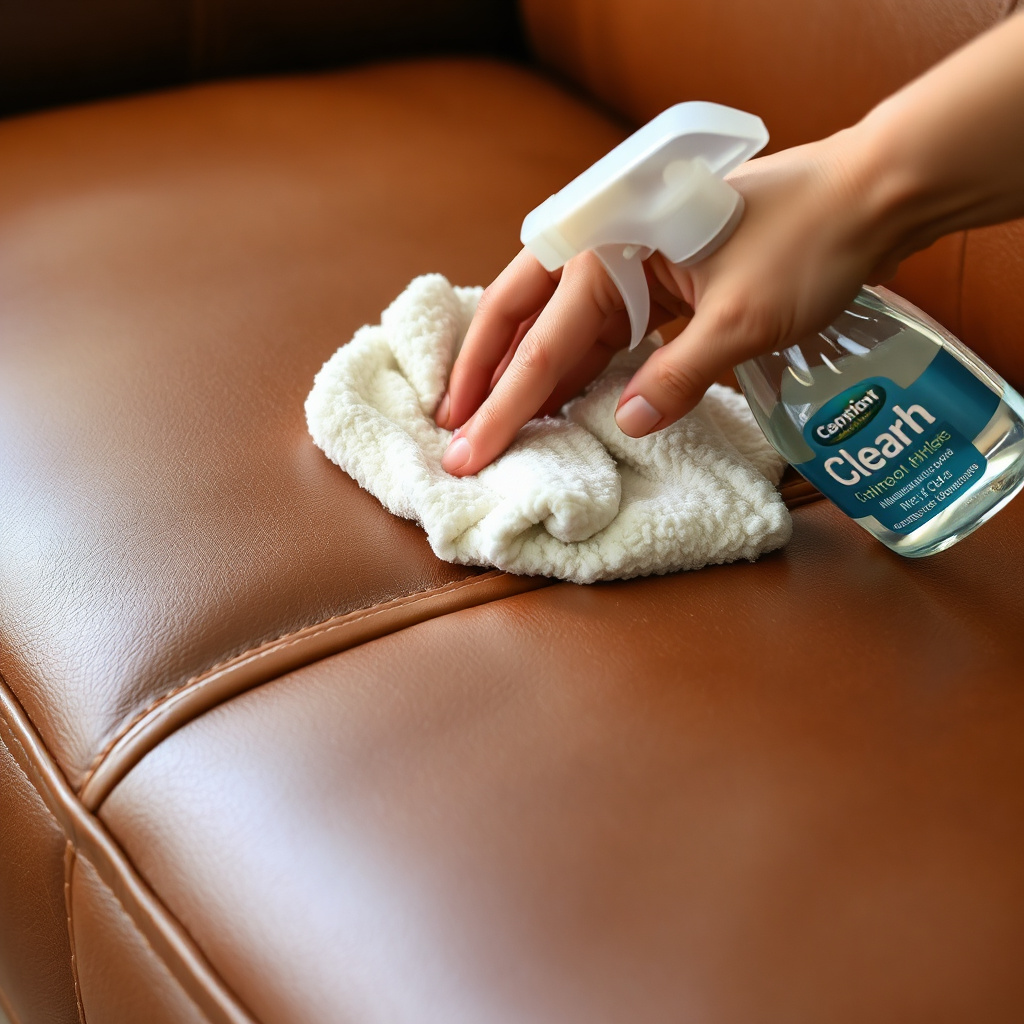
Leather requires gentle cleaning with pH-balanced leather cleaners and conditioners to avoid damage while removing smell. Avoid harsh chemicals or excessive water. Apply conditioner after cleaning to restore supple texture and seal pores against lingering odors.
For strong smoke or pet smells, use a mixture of equal parts white vinegar and water applied lightly with a soft cloth. Vinegar neutralizes odors but evaporates quickly, minimizing risk to leather finish.
- Use pH-neutral leather cleaners
- Condition after cleaning
- Light vinegar-water spray for stubborn smells
- Avoid soaking the leather
For more on this, see our related guide: Top 10 King Size Bed Sets for Ultimate Comfort.
Freshening Wooden Furniture and Frames
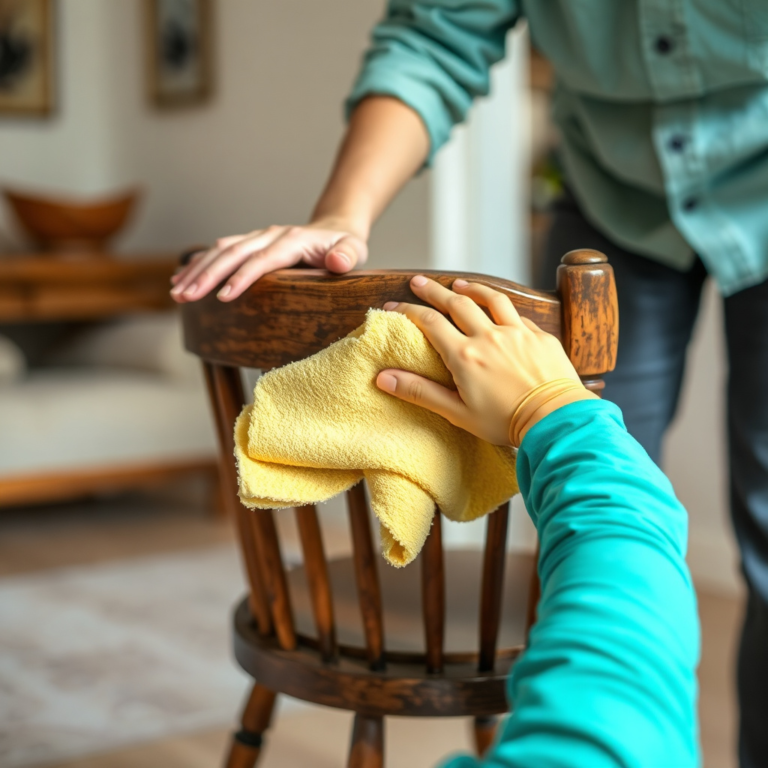
Wooden furniture can trap moisture and odors inside grain or unfinished areas. Cleaning with a solution of mild soap and water followed by drying reduces surface odor. For persistent smells, lightly sanding and applying a fresh coat of sealant or specialized wood deodorizer can block smells from resurging.
Essential oils diluted in water can act as natural fresheners when wiped on wooden surfaces. However, test any product on a hidden spot first to confirm compatibility and avoid staining.
- Clean surfaces with mild soap and water
- Dry wood completely to prevent mold
- Sand and reseal if odors persist
- Use diluted essential oils as fresheners
Preventing Odors and Maintaining Fresh Furniture

Regular Cleaning and Air Circulation
Vacuum upholstery and cushions weekly to reduce dirt and allergens that cause odors. Dust and wipe wooden and leather pieces regularly. Open windows or use fans frequently to circulate fresh air, lowering humidity that encourages mildew.
Maintaining environment control by reducing excess moisture and avoiding smoking or eating on furniture also cuts down odor buildup over time.
- Vacuum fabric furniture weekly
- Dust and clean hard surfaces regularly
- Open windows or use fans for airflow
- Control indoor humidity levels
For official guidelines on indoor furniture care and odor control, see furniture cleaning advice from the EPA. Furniture cleaning advice from the EPA.
Using Protective Covers and Odor Absorbers
Slipcovers, sheets, or washable fabric protectors shield furniture from spills, pet dander, and smoke. These can be removed and washed often to keep smells at bay. Placing odor absorbers like activated charcoal bags or sachets nearby further decreases lingering odors naturally.
Choose breathable covers to avoid trapping moisture and keep cushions dry. Regular replacement or washing preserves the furniture’s fresh condition.
- Use washable slipcovers or protectors
- Add activated charcoal or sachets nearby
- Ensure covers are breathable
- Wash covers routinely
Furniture Odor Removal Methods Comparison
Here’s a comparison of common odor removal methods based on effectiveness, ease, and suitability for different furniture types.
| Method | Effectiveness | Ease of Use | Best For | Notes |
|---|---|---|---|---|
| Baking Soda | Moderate | Very Easy | Fabric, Mattresses | Natural, inexpensive, requires time to work |
| Steam Cleaning | High | Moderate | Fabric Upholstery, Mattresses | Kills bacteria, deep cleans, needs equipment |
| Enzymatic Cleaners | Very High | Moderate | Organic Stains on Fabric | Breaks down protein-based odors, requires dwell time |
| Leather Cleaner & Conditioner | High | Easy | Leather Furniture | Gentle, preserves leather condition |
| Vinegar Solution | Moderate | Easy | Leather, Wooden Furniture | Neutralizes odors but strong smell initially |
| Activated Charcoal Bags | Low to Moderate | Very Easy | All Furniture Types | Best for prevention rather than elimination |
Frequently Asked Questions
Can I remove cigarette smoke smell from fabric sofas?
Yes, by combining thorough vacuuming, baking soda treatments, and steam cleaning you can significantly reduce smoke odors from fabric sofas.
Is it safe to use vinegar on wood furniture?
Vinegar diluted with water can be used lightly on wood surfaces to neutralize smell, but it should never be used undiluted or left on wood for long to avoid damage.
How often should I clean furniture to prevent odors?
Vacuuming weekly and washing removable covers monthly help prevent odor buildup, combined with regular airing out of furniture.
Do enzymatic cleaners work on pet odors?
Yes, enzymatic cleaners are specifically designed to break down organic pet odors caused by urine, drool, and dander effectively.
Will baking soda work for mildew smells on furniture?
Baking soda can absorb some mildew odors, but severe mold issues require deep cleaning and prevention of moisture exposure.
Key Takeaways
- Identify odor source before choosing a treatment method
- Use baking soda and vacuuming as simple initial steps
- Deep clean persistent odors with steam or enzymatic cleaners
- Maintain freshness through regular cleaning and airflow
Conclusion
Removing odors from furniture starts with pinpointing the cause and understanding the fabric or material type. Decide between simple deodorizing using baking soda or air circulation for minor smells, or more intensive cleaning like steam treatment and enzymatic cleaners for stubborn odors. Tailoring approaches based on material—such as gentle leather conditioners versus deep fabric steaming—helps avoid damage and successfully refreshes your furniture.
For casual odor problems on sofas or mattresses, baking soda combined with vacuuming and open-air airing usually suffices. On the other hand, persistent smells from pets or smoke require enzymatic cleaners or steam cleaning machines. Leather and wooden items benefit from specialized products like pH-balanced conditioners or sealants to lock out smells. Periodic maintenance with cleaning schedules and protective coverings further reduces future odor buildup effectively.
Once furniture is clean and deodorized, keeping it fresh depends on good habits: regular vacuuming, proper ventilation, and avoiding smoking or eating on upholstered pieces. Try incorporating odor absorbers like activated charcoal bags nearby as additional safeguards. By following these practical steps, you can enjoy odor-free furniture that enhances your home’s comfort and appeal.