How to Dust Furniture Effectively for a Cleaner Home
Dusting furniture is about more than just wiping surfaces; it requires the right technique and tools to truly remove dust without damaging finishes. To dust furniture effectively, start by choosing a soft cloth or microfiber duster and work gently in the direction of the wood grain or material texture. Avoid harsh chemicals unless necessary and take care with delicate or antique pieces.
A clean home depends heavily on how well furniture is maintained. Dust can collect quickly and, if left, may scratch surfaces or worsen allergies. Knowing how to dust furniture properly not only prolongs its life but also keeps your living environment healthier. This task can be quick with the right approach, and its benefits surpass mere aesthetics.
This article will explore practical methods for dusting different types of furniture, recommending the best tools and solutions for each material. It will also cover common mistakes, tips for delicate surfaces, and how frequently dusting should be done to maintain cleanliness effectively.
Choosing the Right Tools for Dusting Furniture
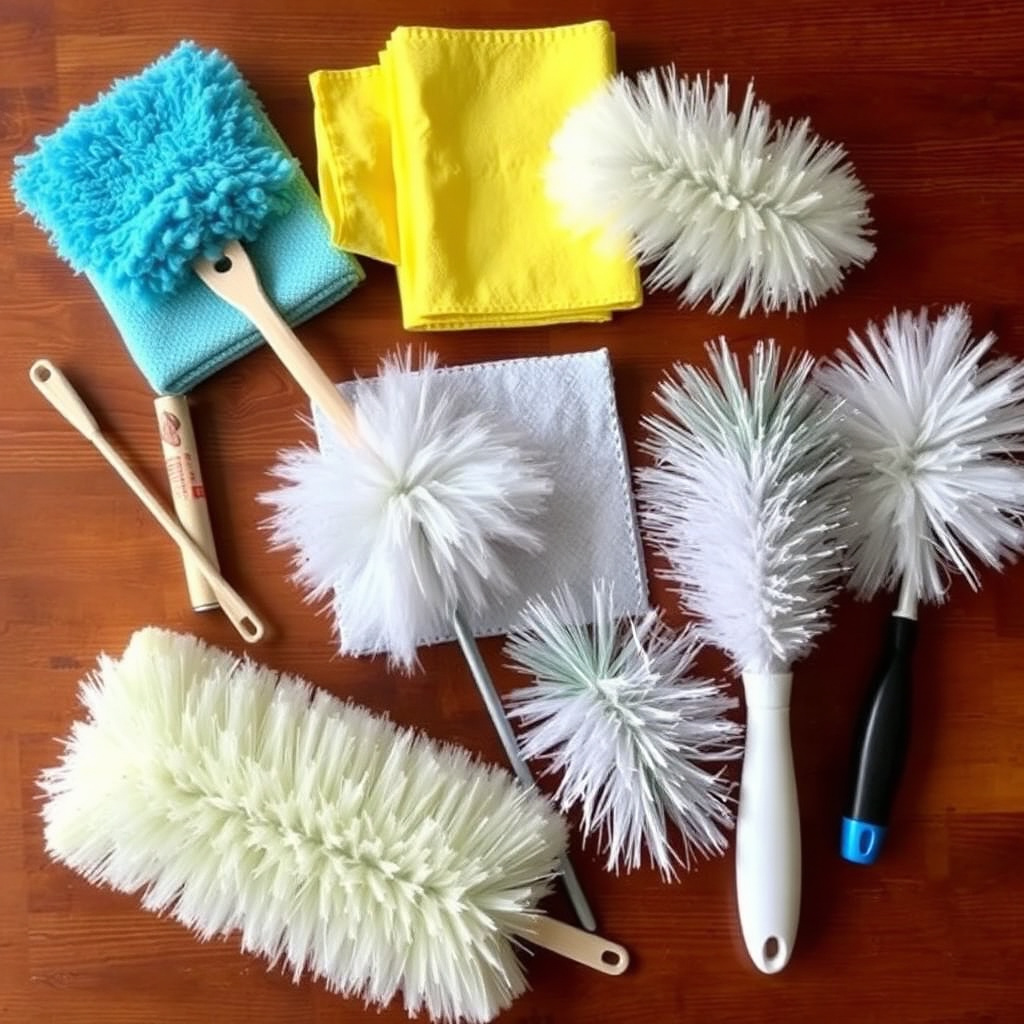
Microfiber Cloths: The Best Basic Tool
Microfiber cloths are ideal for dusting furniture because they trap dust particles rather than just pushing them around. Their fine fibers reach into crevices and are gentle on most surfaces. Choosing a lint-free microfiber cloth enhances results without leaving residue behind.
These cloths can be used dry for light dusting or slightly dampened for stubborn spots. Their versatility and durability make them a staple for routine furniture maintenance.
- Non-abrasive to furniture surfaces
- Reusable and washable
- Efficient at trapping dust
Alternative Dusting Tools and Their Uses
Feather dusters work by sweeping dust off surfaces with soft feathers, ideal for delicate items but can sometimes move dust into the air, which may resettle later. Electrostatic dusters attract dust electrically and are good for quick passes over flat surfaces.
Choosing the appropriate tool depends on the furniture material and dust levels. For example, a vacuum with a brush attachment can remove dust in upholstery or detailed wood carvings more effectively than a cloth.
- Feather dusters for delicate decor
- Electrostatic dusters for quick cleaning
- Vacuum attachments for textured surfaces
Techniques for Dusting Different Types of Furniture
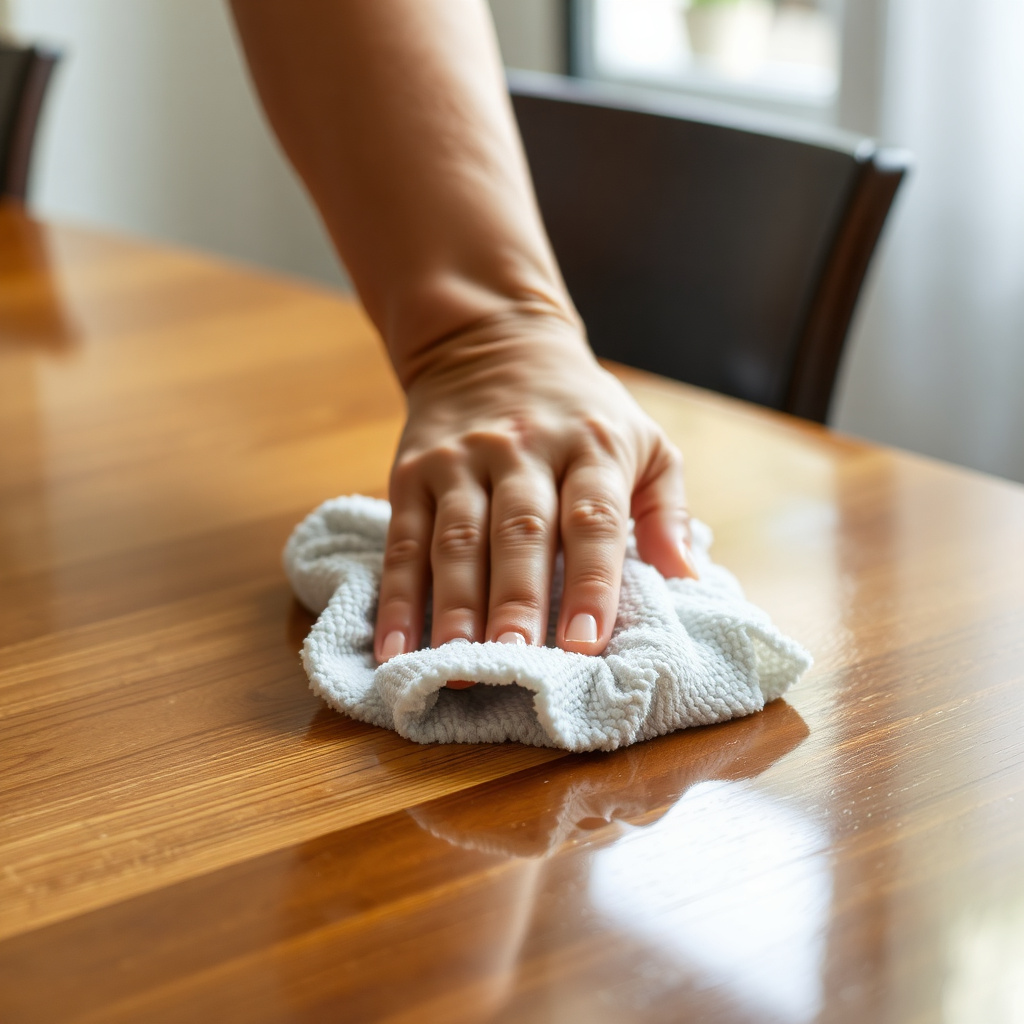
Dusting Wooden Furniture Properly
When dusting wooden furniture, always move with the grain of the wood to avoid scratching the surface. Use a dry microfiber cloth for routine dusting and occasionally a slightly damp cloth for heavier grime. Avoid excess moisture which can damage wood finishes.
For waxed or polished wood, using a product designed for wood care after dusting can enhance the surface and provide a protective layer against future dust accumulation.
- Dust with grain direction
- Use minimal moisture
- Apply furniture polish as needed
For more on this, see our related guide: 7 Tips How to Choose Living Room Furniture.
Dusting Upholstered and Glass Furniture
Upholstered furniture requires gentle vacuuming to avoid fabric wear while removing dust effectively. A brush attachment loosens particle buildup embedded in fibers. Glass surfaces should be dusted and then polished with a glass cleaner to ensure streak-free finish.
Regular dusting prevents dirt buildup that can degrade materials or cause discoloration over time, especially important for high-use furniture pieces.
- Vacuum upholstered fabric gently
- Use lint-free cloth for glass
- Polish glass after dusting
Cleaning Solutions and Their Role in Dusting Furniture

Safe Cleaning Agents for Various Surfaces
Water and mild dish soap diluted in a spray bottle provide an effective, inexpensive cleaning solution for many furniture surfaces without harmful chemicals. For wooden furniture, avoid harsh solvents or ammonia-based cleaners that remove protective finishes.
Natural ingredients like vinegar mixed with water can cut grease and freshen surfaces but should be tested in an inconspicuous area first. Commercial wood cleaners may offer deeper cleaning but should be used sparingly.
- Use mild soap solutions
- Test natural cleaners before use
- Avoid alcohol and ammonia on wood
When to Use Specialized Furniture Cleaners
Certain finishes or delicate antiques call for specialized cleaners that maintain integrity without stripping finishes. For example, beeswax or oil-based polishes nourish wood while sealing dust out, but overuse can cause buildup.
Leather furniture benefits from conditioners and cleaners formulated specifically for leather to prevent cracking and dust accumulation. Following manufacturer recommendations improves longevity and appearance.
- Special cleaners for antiques and finished wood
- Leather-safe conditioners
- Use polish sparingly
Common Dusting Mistakes and How to Avoid Them

Avoiding Surface Damage During Dusting
Using rough or dirty cloths can scratch furniture or leave streaks. It’s a mistake to use excessive pressure which may damage delicate finishes. Always use clean, soft cloths and gentle strokes in the right direction to preserve surfaces.
Skipping detail dusting on corners and crevices also lets dust accumulate over time, often unseen. Small tools or soft brushes help clean these areas safely.
- Use clean, soft cloths
- Clean crevices regularly
- Don’t apply too much pressure
For more on this, see our related guide: How to Buy Leather Furniture in 3 Easy Steps.
Why Over-Dusting Can Be Counterproductive
Dusting too frequently or with improper tools can release dust into the air, which may settle back on furniture or aggravate allergies. Overuse of polishes can create sticky surfaces that attract dirt faster.
Allow time between dusting sessions for dust to settle and avoid rinsing with harsh chemicals excessively to maintain natural finishes.
- Dust moderately for best results
- Avoid excessive polish buildup
- Use gentle dusting techniques
Scheduling and Maintaining a Dust-Free Home

How Often Should You Dust Furniture?
Frequency depends on your environment and lifestyle. Homes with pets or high foot traffic typically require weekly dusting, whereas less active homes may do well with biweekly or monthly sessions. Regular dusting prevents buildup that complicates cleaning.
Observing your furniture for visible dust and using air purifiers can help decide the best schedule that keeps dust manageable without wasting effort.
- Weekly in busy homes
- Biweekly or monthly otherwise
- Use air quality to guide frequency
For more detailed information on caring for different types of furniture, check out this furniture maintenance tips on Wikipedia. furniture maintenance tips on Wikipedia.
Customizing Your Dusting Routine
Create a checklist tailored to your furniture types and rooms, prioritizing frequently used or displayed pieces. Incorporate dusting with other cleaning tasks to keep overall upkeep manageable.
Adjust routines seasonally since dust levels often rise during dry, windy weather or heating periods indoors, requiring more frequent attention.
- Make a dusting checklist
- Align dusting with cleaning schedule
- Increase effort during high-dust seasons
Furniture Dusting Tool Comparison
This table summarizes common furniture dusting tools and their suitability for different furniture materials and situations.
| Tool Type | Best For | Ease of Use | Maintenance Required |
|---|---|---|---|
| Microfiber Cloth | Most surfaces, versatile | High | Wash regularly |
| Feather Duster | Delicate decor | Medium | Shake out dust |
| Electrostatic Duster | Quick flat surface dusting | High | Charge after use |
| Vacuum Brush Attachment | Upholstery, detailed wood | Medium | Clean brush heads |
| Furniture Polish Cloth | Wood furniture finishing | Low | Replace as needed |
Frequently Asked Questions
Can I use water to dust furniture?
Using a slightly damp microfiber cloth can be effective for removing dust without spreading it, but avoid soaking surfaces, especially wood, to prevent damage.
How often should I dust wooden furniture?
Wooden furniture is best dusted weekly to prevent dust buildup that can scratch finishes and dull the appearance over time.
Is using a feather duster a good way to remove dust?
Feather dusters work well on delicate items but may spread dust into the air, so follow up with a microfiber cloth to capture loose particles.
What furniture cleaner is safe for antiques?
Mild, pH-neutral cleaners or specialty products designed for antiques preserve finishes without harsh chemicals that can strip or damage surfaces.
Can dusting too often harm my furniture?
Excessive dusting, especially using abrasive materials or too much polish, can wear finishes and cause buildup, so choosing quality tools and moderate schedules is better.
Key Takeaways
- Use soft microfiber cloths for most furniture dusting tasks
- Dust with the grain on wooden surfaces to avoid scratches
- Choose tools based on furniture type and delicacy
- Dust moderately to avoid spreading dust or harming finishes
Conclusion
Understanding how to dust furniture effectively involves recognizing the materials you own and matching tools and techniques accordingly. The main keyword guides a practical routine prioritizing gentle methods and safe cleaning solutions to preserve furniture quality and appearance over time. Balancing dust removal with cautious care maintains a healthy environment and extends furniture lifespan.
For wooden pieces, microfiber cloths used with grain-direction dusting and occasional polish bring out the best finish. Upholstered furniture demands vacuum attachments to reach fibrous dust, while glass surfaces benefit from lint-free cloths combined with glass cleaners for a spotless shine. Feather dusters and electrostatic options provide quick alternatives for delicate or flat surfaces but should be supplemented with microfiber cloths to capture fine dust. Choosing the best furniture dusting methods means considering your specific pieces and room conditions.
Starting a consistent dusting schedule tailored to your home’s needs and furniture types is the logical next step. Focus first on high-traffic or particularly visible surfaces, incorporating mild cleaning solutions where needed. By adhering to these straightforward yet thoughtful practices, you can keep your furniture dust-free, looking its best, and your home pleasantly comfortable.